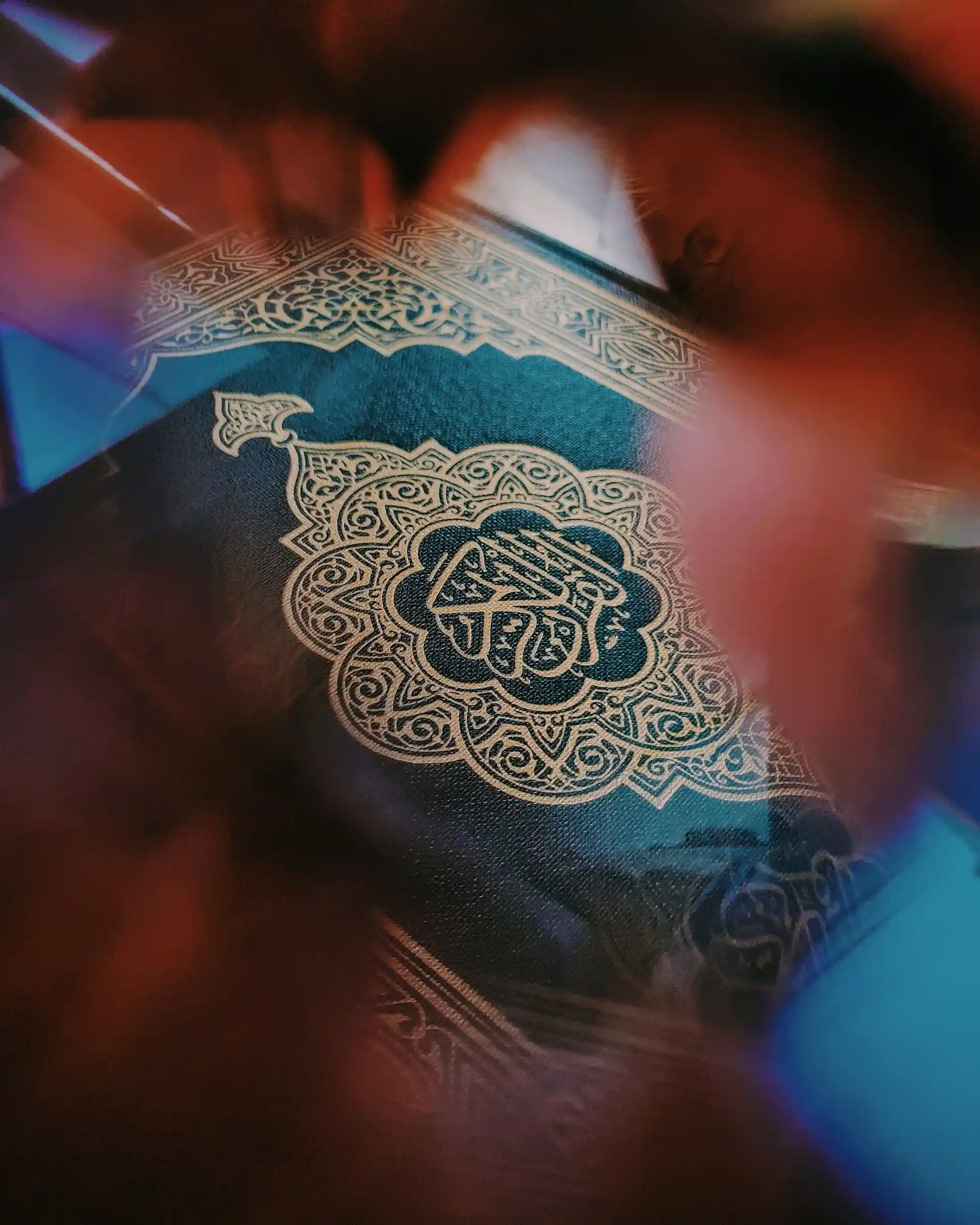
God In Islam: What Muslims Believe About Allah
Yes, Muslims believe in God—but the Islamic understanding of the Divine is both profound and distinct. Muslims worship Allah, the One True God, whose nature is described with precision in the Quran and the teachings of Prophet Muhammad ﷺ.
The concept of God in Islam isn’t simply borrowed from other traditions or shaped by human philosophy. It comes directly from revelation, preserved in the exact words Allah chose to describe Himself. This makes Islamic beliefs about God remarkably clear, yet infinitely deep.
Understanding what Muslims believe about God opens the door to understanding Islam itself. Because everything in this faith—prayer, fasting, charity, moral conduct—flows from knowing who Allah is and what He asks of His creation.
Do Muslims Believe in God?
Yes—Muslims believe in Allah, the One and only Creator. In Islam, “Allah” is not a different deity from the Creator known to earlier prophets; it is the Arabic name of the One who alone deserves worship. This belief sits at the heart of God in Islam and shapes every aspect of Muslim faith and practice.
The Absolute Oneness of Allah (Tawhid) is the Core Islamic Belief About God
Muslim beliefs about God begin with a single, revolutionary concept: Tawhid. This Arabic word means “making one” or “asserting oneness,” and it represents the cornerstone of Islamic faith.
Tawhid isn’t just believing that God exists. It’s affirming that Allah is absolutely One—without partners, without children, without equals, and without any division in His essence.
The Quran expresses this with stunning clarity:
“Say, ‘He is Allah, [who is] One, Allah, the Eternal Refuge. He neither begets nor is born, nor is there to Him any equivalent.'” (Quran 112:1-4)
These four short verses contain the entire Islamic theology of God. Allah is One in His essence, One in His attributes, and One in His right to be worshipped.
He wasn’t born from anything, He doesn’t give birth to anything, and nothing in all existence resembles Him.
This means Muslims reject any notion of God having a physical form, a family, or human-like limitations. Allah is beyond gender, beyond time, beyond space, and beyond human comprehension—yet He is closer to us than our jugular vein.
Why Tawhid Matters in Islamic Beliefs About God
Tawhid shapes every aspect of how Muslims live. When you understand that Allah alone deserves worship, you can’t bow to kings, bow to wealth, or bow to your own desires as ultimate authorities.
The Prophet Muhammad ﷺ said: “Whoever dies knowing that there is no deity worthy of worship except Allah will enter Paradise.” (Sahih Muslim)
This knowledge transforms life from chaos into purpose. You’re accountable to One Judge, seeking pleasure from One Source, and returning to One Creator. The psychological and spiritual liberation this brings cannot be overstated.
What Do Muslims Believe About God’s Attributes?
Islamic beliefs about God go far beyond simply saying “Allah exists.” The Quran and authentic Hadiths describe Allah’s attributes in detail, giving us a complete picture of who He is.
Allah has two categories of attributes: attributes of perfection that He possesses, and attributes of imperfection that He is free from.
Allah’s Names and Attributes of Perfection
Allah describes Himself with the most beautiful names and the highest attributes. He is:
- Al-Rahman, Al-Rahim (The Most Merciful, The Especially Merciful) — His mercy encompasses all things
- Al-Malik (The Sovereign) — He owns and controls everything
- Al-Quddus (The Pure One) — Perfectly free from any flaw
- Al-Aleem (The All-Knowing) — His knowledge encompasses everything that was, is, and will be
- Al-Qadir (The All-Powerful) — Nothing is beyond His ability
- Al-Hakeem (The All-Wise) — Every action He takes has perfect wisdom
- Al-Adl (The Just) — He wrongs no one and judges with perfect justice
The Prophet ﷺ taught: “Allah has ninety-nine names, one hundred less one. Whoever memorizes them will enter Paradise.” (Sahih Bukhari)
Each name reveals a characteristic of Allah that should influence how we relate to Him. When you know He is Al-Ghaffar (The Forgiving), you approach Him with hope after sinning. When you know He is Al-Jabbar (The Compeller), you approach Him with humility and awe.
What Allah Is Free From in Islamic Beliefs About God
Just as important as knowing what Allah is, Muslims know what He is not. Islamic beliefs about God firmly reject:
- Limitations: He doesn’t sleep, doesn’t tire, doesn’t forget
- Injustice: He wrongs no one and holds everyone accountable fairly
- Need: He needs nothing from His creation
- Change: He is eternal and unchanging in His perfection
The Quran states:
“There is nothing like unto Him, and He is the Hearing, the Seeing.” (Quran 42:11)
This verse demolishes any attempt to compare Allah to His creation. You cannot imagine Him because your imagination only works with things you’ve experienced, and nothing in your experience resembles Allah.
Do Muslims Believe in God as Creator and Sustainer?
Absolutely. Muslim beliefs about God center on His role as the Creator and Sustainer of everything that exists.
Allah didn’t just set the universe in motion and walk away. He actively sustains every atom, every moment, every breath you take.
The Quran describes His creative power:
“His command is only when He intends a thing that He says to it, ‘Be,’ and it is.” (Quran 36:82)
Allah creates through His will. He doesn’t need tools, time, or effort. When He wills something to exist, it exists instantly.
The Continuous Dependence on Allah in Islamic Beliefs About God
What do Muslims believe about God’s relationship with His creation? That we are in constant, absolute dependence on Him.
If Allah withdrew His sustaining power for even a fraction of a second, everything would cease to exist. Your heartbeat, the gravity holding you to Earth, the atoms forming your body—all exist only because Allah wills them to continue existing.
This is expressed beautifully in the greatest verse of the Quran, Ayat al-Kursi:
“Allah—there is no deity except Him, the Ever-Living, the Sustainer of existence. Neither drowsiness overtakes Him nor sleep. To Him belongs whatever is in the heavens and whatever is on the earth.” (Quran 2:255)
Al-Qayyum (The Sustainer) means that everything depends on Allah, but He depends on nothing. This is why Muslims turn to Him alone in times of need.
Do Islamic Believe in God Who is Merciful and Just?
One of the most beautiful aspects of Islamic beliefs about God is the perfect balance between His mercy and His justice.
Every chapter of the Quran except one begins with: “In the name of Allah, the Most Merciful, the Especially Merciful.” Muslims recite this phrase dozens of times daily, reminding themselves that mercy is Allah’s defining characteristic.
The Prophet Muhammad ﷺ said: “When Allah created the creation, He wrote in His Book—which is with Him above the Throne—’My mercy prevails over My wrath.'” (Sahih Bukhari)
This doesn’t mean Allah tolerates evil or injustice. It means that His default response to His creation is mercy, and He gives endless opportunities for repentance.
The Balance That Makes Sense
What Muslims believe about God’s justice is that it’s perfectly calibrated. Allah doesn’t punish people for things beyond their control. He doesn’t hold you accountable for thoughts you don’t act on. He multiplies your good deeds but only records your bad deeds at face value.
The Quran explains:
“Whoever comes with a good deed will have ten times the like thereof [to his credit], and whoever comes with an evil deed will not be recompensed except the like thereof; and they will not be wronged.” (Quran 6:160)
This is why Muslim beliefs about God inspire both hope and healthy fear. Hope, because Allah’s mercy is vast. Fear, because He sees everything and will judge with perfect justice.
How Muslims Know About Allah
Do Muslims believe in god based on blind faith? Not at all. Islamic beliefs about God are built on clear evidence.
Muslims know about Allah through three primary sources:
The Quran is Allah’s Direct Speech
The Quran is not a book about God—it’s a book from God. Muslims believe these are the literal words of Allah, revealed to Prophet Muhammad ﷺ over 23 years.
When you read the Quran, you’re reading Allah describing Himself, explaining His attributes, and telling you what He wants from you. There’s no intermediary interpretation, no council that decided what stays and what goes.
This directness is unique. Allah speaks in the first person throughout the Quran, addressing humanity with clarity and authority.
The Sunnah is The Prophet’s Teachings
Prophet Muhammad ﷺ received not only the Quran but also divine inspiration that guided his explanations and teachings. These authentic Hadiths (recorded sayings and actions) provide detailed understanding of Allah’s attributes and how to worship Him.
The Prophet ﷺ said: “Allah said: ‘I am as My servant thinks I am, and I am with him when he remembers Me. If he remembers Me within himself, I remember him within Myself; and if he remembers Me in an assembly, I remember him in an assembly better than his…'” (Sahih Bukhari)
This Hadith Qudsi (a Hadith where the Prophet ﷺ narrates Allah’s words) shows the intimate relationship Allah wants with His servants.
The Signs in Creation
Islamic beliefs about God also include recognizing Him through His creation. The universe itself testifies to its Creator.
The Quran constantly directs attention to nature:
“Indeed, in the creation of the heavens and the earth and the alternation of the night and the day are signs for those of understanding.” (Quran 3:190)
The precision of natural laws, the complexity of DNA, the perfect distance of Earth from the Sun—these aren’t accidents. They’re signatures of the Designer.
What Do Muslims Believe About God’s Relationship With People?
Allah is simultaneously the King of the universe and nearer to you than your jugular vein. He hears the prayer of the oppressed. He responds when you call upon Him. He knows your struggles before you speak them.
The Quran reassures:
“And when My servants ask you concerning Me—indeed I am near. I respond to the invocation of the supplicant when he calls upon Me.” (Quran 2:186)
Notice that Allah didn’t say “tell them I am near.” He spoke directly: “I am near.” This is the intimacy of the relationship He offers.
Why Allah Created Humans?
Muslim beliefs about God include understanding why He created us. Allah tells us directly in the Quran:
“And I did not create the jinn and mankind except to worship Me.” (Quran 51:56)
Worship in Islam isn’t just ritual. It’s living your entire life in submission to Allah—recognizing Him as your Creator, following His guidance, and returning to Him in the end.
This purpose gives life meaning. You’re not a cosmic accident floating through a meaningless universe. You’re a purposeful creation of the All-Wise, placed here for a specific reason, and returning to Him for eternal judgment.
Is Allah the Same as the God of Christianity and Judaism?
Muslims believe in the same God that sent Moses and Jesus (peace be upon them) with His message. However, what Muslims believe about God differs significantly from how some Christians and Jews understand Him.
Islam rejects the Trinity, the concept of God having a son, and any anthropomorphic descriptions that limit God’s perfection. Islamic beliefs about God represent pure monotheism as taught by all prophets before their messages were altered.
Does Allah Need Our Worship?
No. One of the core Islamic beliefs about God is that He is Al-Ghani (The Self-Sufficient). Allah needs nothing from His creation.
The Quran states:
“O mankind, you are those in need of Allah, while Allah is the Free of need, the Praiseworthy.” (Quran 35:15)
If every human became perfectly obedient, it wouldn’t increase Allah’s dominion by an atom. If every human rebelled, it wouldn’t decrease His dominion by an atom. We worship Allah because we need Him, not because He needs us.
Continue Your Journey of Understanding Islam With Salam
If these truths resonate with you, we invite you to explore more articles on the Salam platform blog. You’ll find detailed discussions on prayer, prophethood, the Quran, and every aspect of Islamic belief and practice.
Perhaps you have specific questions this article didn’t address.
Maybe you’re curious about how to enter Islam or want clarification on something you’ve read.
We’re here to help.
Feel free to reach out to the Salam team with any questions about Islamic teachings. Whether you’re seeking knowledge, guidance, or simply honest answers, we welcome your inquiries.
The door to understanding Islam is always open. And the first step through that door is knowing Allah—the One who created you, the One who sustains you, and the One to whom you’ll return.
Conclusion
Islamic belief presents God as absolutely One, without partners, offspring, or equals. This oneness is not abstract theology but the foundation of faith, shaping worship, ethics, accountability, and purpose through exclusive devotion to Allah alone.
Allah’s attributes balance perfection and transcendence with nearness and care. He is merciful yet just, powerful yet wise, sustaining every moment of existence while remaining free from need, change, weakness, or resemblance to creation.
Knowledge of God in Islam comes through revelation, prophetic teaching, and observable signs in creation. This understanding anchors human purpose in worship, responsibility, and return—framing life not as randomness, but as a deliberate journey toward the One who created and sustains all things.