
Why Did Kareem Convert to Islam?
In the world of basketball, Kareem Abdul-Jabbar stands as a legend—a record-breaking champion, a thinker, and a man of quiet strength. But behind the trophies, interviews, and headlines lies a deeply personal story that many still wonder about: why did Kareem convert to Islam?
For Kareem, the journey wasn’t about fame or rebellion—it was about truth. Growing up as Lew Alcindor, he achieved everything a young athlete could dream of. Yet, despite his success, he felt a spiritual emptiness that success couldn’t fill. His heart searched for meaning beyond the court, beyond the applause.
It was through study, reflection, and the example of figures like Malcolm X and Muhammad Ali that Kareem found answers in Islam—a faith that spoke to his sense of justice, identity, and peace. His story isn’t just about conversion; it’s about awakening—the moment when a man realizes that true victory lies not in the scoreboard, but in the soul.
Who Is Kareem Abdul-Jabbar?
Kareem Abdul-Jabbar, born Ferdinand Lewis Alcindor Jr. on April 16, 1947, in New York City, is one of the most celebrated basketball players in history. Standing at 7 feet 2 inches tall, he became an icon of athletic excellence, intelligence, and cultural awareness.
Kareem played 20 seasons in the NBA, first with the Milwaukee Bucks and later with the Los Angeles Lakers, leading his teams to multiple championships and earning six Most Valuable Player (MVP) awards—a record that still stands. His signature move, the “skyhook,” remains one of the most unstoppable shots in basketball history.
But Kareem is much more than an athlete. Off the court, he is a writer, historian, and humanitarian, known for his thoughtful advocacy on issues such as education, racial equality, and spirituality. His intellectual depth and moral integrity made him a respected voice beyond sports.
Today, Kareem Abdul-Jabbar is recognized not only for his achievements in basketball but also for his journey of faith and personal transformation—a journey that led him to embrace Islam and live by its values of justice, humility, and peace.
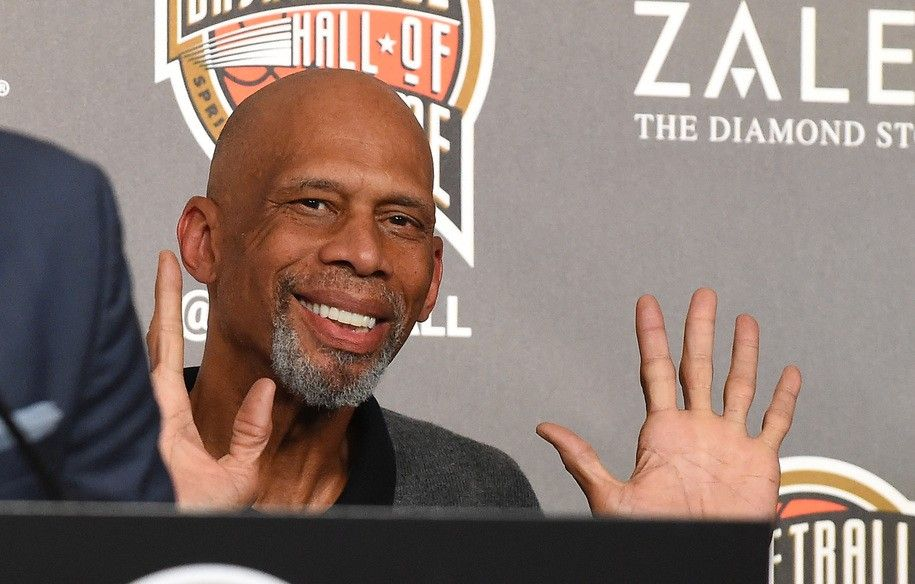
Kareem Abdul-Jabbar’s Early Life and Search for Identity
Kareem Abdul-Jabbar, born Ferdinand Lewis Alcindor Jr., grew up in New York City, where he faced the challenges of growing up as an African American in a society marked by racial inequality. From a young age, he showed exceptional talent in basketball, but he also struggled with questions of identity, purpose, and personal values.
Childhood and Family Background
Kareem was born into a supportive family that encouraged education and personal growth. Despite this, he experienced racial prejudice and societal pressures that shaped his early understanding of identity and self-worth.
Early Passion for Basketball
Basketball became a central part of Kareem’s life, offering him both an outlet for his talents and a platform to navigate his personal and social challenges. His early success in sports was intertwined with his search for self-definition.
Struggles with Identity and Purpose
Beyond sports, Kareem grappled with questions about who he was and the values he wanted to live by. These struggles fueled his exploration of philosophy, culture, and spirituality.
Turning Toward Spiritual Exploration
Kareem’s quest for meaning eventually led him to study different faiths and worldviews. His journey of self-discovery set the stage for his eventual conversion to Islam, where he found guidance, discipline, and a sense of belonging.
Thinking About Converting to Islam?
We are here to guide you step by step with sincerity, knowledge, and care. Reach out and begin your journey with confidence.
Start Your JourneyWhen did Kareem’s Path to Islam begin?
Kareem’s journey toward Islam began during his college years at UCLA (University of California, Los Angeles) in the mid-1960s. Although he was already a national basketball star, his growing awareness of racial injustice and his search for spiritual truth pushed him to look beyond the surface of success.
During this time, the influence of African American leaders such as Malcolm X and Muhammad Ali deeply affected him. Their courage to embrace Islam and stand up for justice inspired Kareem to explore the faith more seriously. He began reading “The Autobiography of Malcolm X,” which opened his eyes to how Islam provided both a spiritual foundation and a sense of identity for African Americans seeking dignity and purpose.
Kareem later described this period as a turning point—a time when he started questioning everything he thought he knew. He realized that his life, while successful by worldly standards, lacked a spiritual anchor. Islam, with its emphasis on submission to God (Allah), equality among all people, and moral discipline, gave him the answers he was looking for.
In 1971, after years of reflection, learning, and prayer, he made a life-changing decision: he embraced Islam and changed his name from Lew Alcindor to Kareem Abdul-Jabbar, meaning “Generous Servant of the Almighty.” This transformation was not just a change of name—it marked the beginning of a new identity rooted in faith, humility, and purpose.
Verses That Touched Kareem’s Heart
Kareem Abdul-Jabbar often spoke about how the Quran gave him peace, clarity, and a deeper sense of purpose. Through its verses, he found answers to questions that fame and success could never satisfy—questions about justice, identity, and the meaning of life. Several verses particularly resonated with him, shaping his journey toward faith and self-understanding.
1. Equality and Human Brotherhood
يَا أَيُّهَا النَّاسُ إِنَّا خَلَقْنَاكُم مِّن ذَكَرٍ وَأُنثَىٰ وَجَعَلْنَاكُمْ شُعُوبًا وَقَبَائِلَ لِتَعَارَفُوا ۚ إِنَّ أَكْرَمَكُمْ عِندَ اللَّهِ أَتْقَاكُمْ
“O mankind, indeed We have created you from male and female and made you peoples and tribes that you may know one another. Indeed, the most noble of you in the sight of Allah is the most righteous of you.”
— Surah Al-Hujurat (49:13)
This verse touched Kareem’s heart deeply because it reflected the message of equality and justice—principles he valued in his personal life and activism. It reminded him that true worth lies not in race, fame, or wealth, but in one’s righteousness and character.
2. Finding Peace in Faith
الَّذِينَ آمَنُوا وَتَطْمَئِنُّ قُلُوبُهُم بِذِكْرِ اللَّهِ ۗ أَلَا بِذِكْرِ اللَّهِ تَطْمَئِنُّ الْقُلُوبُ
“Those who believe and whose hearts find comfort in the remembrance of Allah—surely, in the remembrance of Allah do hearts find rest.”
— Surah Ar-Ra’d (13:28)
Kareem found in this verse the essence of inner peace—something he longed for even during his most successful years in basketball. It reminded him that real comfort and fulfillment come not from external achievements, but from spiritual connection and remembrance of God.
3. The Purpose of Life
وَمَا خَلَقْتُ الْجِنَّ وَالْإِنسَ إِلَّا لِيَعْبُدُونِ
“And I did not create jinn and mankind except to worship Me.”
— Surah Adh-Dhariyat (51:56)
This verse helped Kareem understand the true purpose of existence—to serve and worship Allah. It gave him a sense of direction beyond fame and athletic success, teaching him that life’s meaning lies in spiritual devotion and doing good for others.
These verses became guiding lights for Kareem Abdul-Jabbar, shaping his worldview and reinforcing his faith. They reflect his journey from external success to inner peace and divine connection—the ultimate reason he embraced Islam with conviction and gratitude.
Public Reactions to Kareem Abdul-Jabbar’s Conversion
When Kareem Abdul-Jabbar announced his conversion to Islam in 1971, the news sparked widespread public attention and mixed reactions. At the time, America was still grappling with issues of race, religion, and cultural identity—and for a world-famous athlete to change his name and faith was both bold and groundbreaking.
Many fans were initially confused or even critical. To them, “Lew Alcindor” was already a household name, associated with record-breaking achievements and basketball excellence. His decision to become Kareem Abdul-Jabbar—and to speak openly about Islam—was seen by some as a rejection of mainstream culture. Media outlets questioned his motives, and critics accused him of distancing himself from his past.
Yet, for others, his conversion was a symbol of courage and integrity. Supporters admired his willingness to stand by his beliefs, even when it meant facing misunderstanding or backlash. Fellow athletes and African-American leaders, including Muhammad Ali, praised Kareem for taking control of his identity and finding strength through faith.
Over time, as people came to understand his sincerity, public perception shifted. Kareem’s calm demeanor, humility, and consistency in both his faith and conduct won him deep respect. His success on the court and his intelligence off it challenged stereotypes about Muslims and African Americans, turning him into a role model for spiritual conviction and moral strength.
Kareem’s conversion, once controversial, ultimately became an inspiring story of faith, freedom, and authenticity—showing that true greatness is not only measured by trophies and titles but also by the courage to live according to one’s truth.
Thinking About Converting to Islam?
We are here to guide you step by step with sincerity, knowledge, and care. Reach out and begin your journey with confidence.
Start Your JourneyKareem’s Books and Contributions to Islamic Thought
Beyond his achievements on the basketball court, Kareem Abdul-Jabbar has made a profound intellectual impact through his writings, public speaking, and advocacy. His exploration of faith, identity, and morality has inspired readers worldwide, Muslim and non-Muslim alike.
Kareem as a Thinker and Writer
Kareem’s passion for knowledge led him to write several books that explore culture, faith, and history. Through works like “Black Profiles in Courage” and “Brothers in Arms,” he sought to shed light on the African American experience, moral courage, and the pursuit of truth.
While not all his books are explicitly about Islam, they often reflect Islamic values of justice, equality, and compassion—themes deeply rooted in his worldview. His intellectual curiosity and humility made him a respected voice in discussions about race, religion, and human values.
Writing as a Form of Dawah (Invitation to Truth)
Kareem uses his writing and public speaking as a form of Dawah—sharing the principles of Islam through reason, respect, and example. He often emphasizes that being a good Muslim is not about preaching loudly but about living with integrity and compassion.
Through essays and interviews, Kareem encourages people to seek knowledge, think critically, and live ethically—messages that align perfectly with Islamic teachings. He once said:
“Islam teaches me to use my mind, to be compassionate, and to treat every human being with respect.”
Promoting Understanding and Tolerance
In a world often divided by misunderstanding, Kareem stands as a bridge between communities. He advocates for interfaith dialogue, emphasizing shared values among people of all faiths. His calm, thoughtful approach continues to inspire respect for Islam and admiration for his wisdom.
By embodying Islamic principles in his public life, Kareem Abdul-Jabbar has become not only a sports legend but also a symbol of intellectual faith and cultural harmony.
Kareem’s Life After Conversion
After embracing Islam in 1971, Kareem Abdul-Jabbar’s life took on a deeper sense of meaning and balance. His faith became his compass—guiding his choices, shaping his values, and strengthening his sense of purpose beyond fame and success.
A New Identity Rooted in Faith
When Kareem changed his name from Lew Alcindor to Kareem Abdul-Jabbar, it symbolized more than a religious conversion—it was a declaration of spiritual rebirth. He wanted his new name to reflect his beliefs and his gratitude to God. The name “Kareem” means generous, while “Abdul-Jabbar” means servant of the Almighty.
This transformation gave him the freedom to live authentically, aligned with the principles he found in Islam—humility, self-discipline, and compassion. It also marked his commitment to using his platform for good rather than personal glory.
Balancing Faith and Fame
As one of the most recognizable athletes in the world, Kareem faced challenges after his conversion. Some media outlets misunderstood his decision, and others criticized him for being private and reserved. But rather than responding with anger, Kareem let his actions and character speak louder than words.
His calmness, professionalism, and commitment to excellence became a reflection of his faith. Even during intense public scrutiny, he carried himself with dignity—embodying the Islamic teaching:
“The strong person is not the one who overcomes others, but the one who controls himself when angry.”
(Prophet Muhammad ﷺ, Sahih al-Bukhari)
This strength of character earned him respect not only as an athlete but also as a man of principle.
Inspiring Through Example
Off the court, Kareem devoted himself to education, writing, and humanitarian work, using his influence to promote understanding and mutual respect. He spoke openly about his faith when asked but never imposed it on others. Instead, he showed Islam’s beauty through kindness, knowledge, and humility.
For Kareem, success was no longer about records or trophies—it was about living a meaningful life guided by faith, truth, and service to others.
Challenges and Lessons from Kareem’s Spiritual Journey
Like many who choose a new spiritual path, Kareem Abdul-Jabbar faced challenges after his conversion to Islam. Yet, through patience, faith, and wisdom, he turned those challenges into lessons that continue to inspire millions today.
Facing Misunderstanding and Criticism
When Kareem announced his conversion to Islam in 1971, the reaction was mixed. Some fans and journalists couldn’t understand why a world-famous athlete at the height of his career would make such a personal and spiritual decision. Others viewed it through the lens of politics rather than faith.
Instead of responding defensively, Kareem chose silence and dignity. He let his actions reflect his beliefs. His composure during this time reflected the Quranic principle:
وَعِبَادُ الرَّحْمَـٰنِ الَّذِينَ يَمْشُونَ عَلَى الْأَرْضِ هَوْنًا وَإِذَا خَاطَبَهُمُ الْجَاهِلُونَ قَالُوا سَلَامًا
“And the servants of the Most Merciful are those who walk upon the earth humbly, and when the ignorant address them, they say, ‘Peace.’”
(Qur’an 25:63)
Through patience and wisdom, Kareem showed that true faith is about action, not argument.
Balancing the Spiritual and the Professional
Maintaining his spiritual discipline while living in the spotlight wasn’t easy. The pressures of fame, travel, and performance often conflicted with the quiet reflection and prayer central to his faith. But Kareem made time for his spiritual life, prioritizing prayer, reading, and meditation.
He learned to see his career as part of his worship—a way to honor God through hard work, honesty, and excellence. This mindset gave him inner peace, even in the most competitive environments.
The Power of Humility and Service
Over the years, Kareem has shared one of his most important lessons: faith is not just belief; it’s action. He has been a mentor to young athletes, a voice for justice, and a humanitarian dedicated to education and equality.
He once said:
“Islam gave me the tools to understand myself and the world. It taught me that real strength is serving others.”
Through his words and deeds, Kareem continues to embody the essence of Islam—a faith rooted in peace, service, and humility.
Thinking About Converting to Islam?
We are here to guide you step by step with sincerity, knowledge, and care. Reach out and begin your journey with confidence.
Start Your JourneyStart Your Journey with Salam Center
Kareem Abdul-Jabbar’s journey to Islam reminds us that faith often begins with curiosity—a sincere search for truth, purpose, and peace. His transformation shows that true success isn’t measured by fame or wealth, but by inner fulfillment and connection with God.
If his story inspired you to learn more, take your first step today.
At Salam Center, we welcome everyone who seeks understanding and spiritual growth. Whether you have questions about Islam, want to read the Qur’an, or simply wish to connect with others on the same path, Salam Center is here to guide you—with knowledge, kindness, and an open heart.
“Every journey toward truth begins with one sincere question.”
Start your journey today—learn, explore, and discover the peace that faith can bring
Conclusion
Kareem Abdul-Jabbar’s journey to Islam is more than a story of religious conversion—it’s a story of self-discovery and courage. In a world that often measures success by wealth or fame, Kareem reminds us that real success is spiritual: it lies in living truthfully, serving others, and staying connected to God.
So, when people ask, “Why did Kareem convert to Islam?” — the answer is simple yet profound. He converted because Islam offered him truth, balance, and peace—the very things his heart had been seeking all along.
Today, his legacy stands not only in basketball history but also in the example he set as a man of integrity, intellect, and unwavering faith—proof that when you follow truth sincerely, it transforms your entire life.
Curious about Islam?
Journey towards clarity and purpose. Our team is here to support you in your search for truth and spiritual guidance.
Embrace the Truth