
Why And When Did Muhammad Ali Convert to Islam?
Muhammad Ali, widely celebrated as one of the greatest boxers in history, is also remembered for his remarkable spiritual journey. Beyond his athletic achievements, Ali made a profound personal transformation when he embraced Islam, a decision that shaped his identity, beliefs, and legacy.
Many people ask, Why did Muhammad Ali convert to Islam, and what motivated this young athlete to take such a bold step during a turbulent time in American history? Understanding his conversion reveals not only his search for faith and purpose but also his desire for dignity, justice, and empowerment in a society marked by racial inequality.
This article explores Ali’s journey—from his early exposure to Islam and personal struggles to his activism, humanitarian work, and enduring legacy—providing insight into the man behind the legend and the faith that guided him.
When Did Muhammad Ali Convert to Islam?
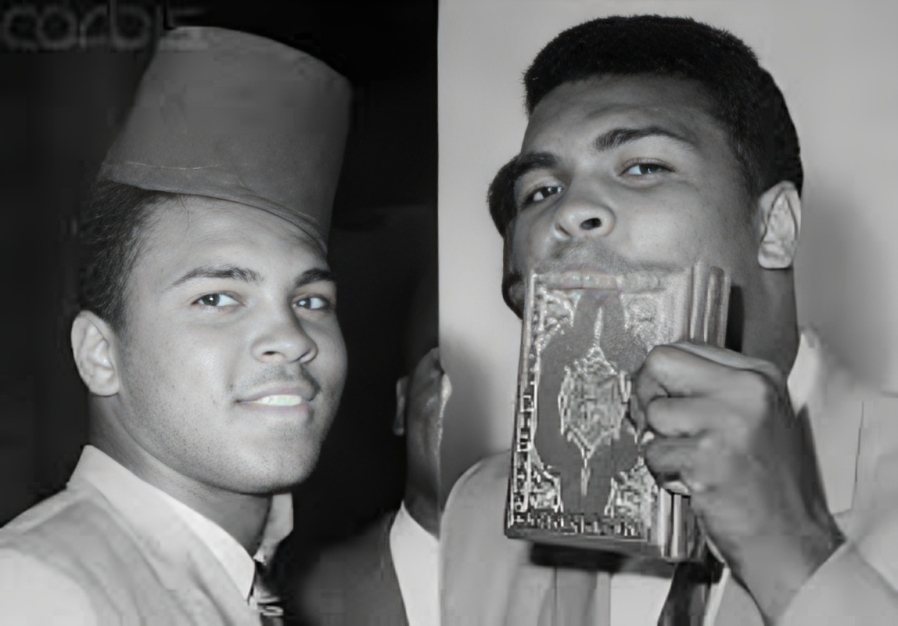
When did Muhammad Ali convert to Islam? The pivotal moment occurred in 1964, shortly after winning the world heavyweight boxing title by defeating Sonny Liston. At the age of 22, Cassius Clay announced his conversion and adopted the name Muhammad Ali, symbolizing a rebirth in both faith and identity. This decision immediately drew public attention and sparked controversy, as it challenged the prevailing social norms of the time.
Ali’s conversion was more than a spiritual choice—it was a statement of personal conviction and courage. It reflected his willingness to stand firm in his beliefs despite public scrutiny and criticism. Throughout his life, he remained a committed Muslim, often speaking about the principles of Islam and the importance of faith, justice, and compassion.
Why Did Muhammad Ali Convert to Islam?
Muhammad Ali, born Cassius Clay, converted to Islam in the 1960s, a decision that profoundly shaped both his personal life and public identity. His conversion reflected a desire for spiritual guidance, social justice, and self-empowerment during a time of personal and societal transformation.
1. Seeking Spiritual Truth and Guidance
Muhammad Ali was drawn to Islam as he sought deeper meaning in life and answers to spiritual questions. The teachings of Islam offered him clarity, purpose, and a sense of connection with God.
2. Influence of the Nation of Islam
Ali was introduced to the Nation of Islam, whose message of self-respect, Black empowerment, and social justice resonated strongly with him during the civil rights era.
3. Desire for Personal Identity and Empowerment
Converting to Islam allowed Ali to redefine his identity beyond the limitations imposed by racial prejudice and societal expectations. It gave him confidence, dignity, and a strong sense of self.
4. Commitment to Justice and Equality
The principles of Islam inspired Ali to take a stand against racial injustice, inequality, and oppression, influencing his activism and public statements throughout his career.
5. Lifestyle and Discipline
Islamic teachings provided Ali with a moral framework and disciplined lifestyle that complemented his career as a professional athlete, including principles of humility, self-control, and dedication.
Thinking About Converting to Islam?
We are here to guide you step by step with sincerity, knowledge, and care. Reach out and begin your journey with confidence.
Start Your JourneyHow Ali First Learned About Islam Through the Nation of Islam
Muhammad Ali’s first introduction to Islam came through the Nation of Islam (NOI), a religious movement that combined Islamic teachings with a strong message of black empowerment and social justice. As a young African-American man growing up in the racially segregated South, Ali was drawn to the Nation’s emphasis on self-respect, discipline, and equality.
He met members of the Nation of Islam during his early boxing career, and their teachings resonated deeply with him. Ali was inspired by leaders like Elijah Muhammad, who emphasized personal transformation, pride in one’s identity, and standing up against oppression. Through the Nation of Islam, Ali learned not just the principles of the faith but also how it could serve as a path toward both spiritual growth and social empowerment.
This early exposure played a crucial role in shaping his decision to convert, guiding him toward a faith that aligned with his values and gave him a sense of purpose beyond the boxing ring.
Personal Struggles That Led to His Search for Faith
Growing up in Louisville, Kentucky, Muhammad Ali—then Cassius Clay—faced the harsh realities of racial discrimination and inequality. Segregation was a part of everyday life, and Ali often encountered systemic barriers that limited opportunities for African Americans. These experiences left a deep mark on him and fueled his desire to find meaning and purpose beyond the constraints imposed by society.
Ali’s struggles were not just external. Internally, he sought self-respect and a strong sense of identity that went beyond his rising fame as a boxer. While his athletic talent brought him recognition, he wanted a foundation for his life that was rooted in principles, dignity, and moral strength.
This yearning for identity and empowerment naturally led him to explore Islam, a faith that offered both spiritual guidance and a message of justice, equality, and personal transformation.
Impact on His Boxing Career
Muhammad Ali’s conversion to Islam had a profound effect on his boxing career, influencing not only his public image but also his approach to the sport itself.
Discipline and Mental Strength
Ali’s faith instilled in him a heightened sense of discipline and focus. The spiritual teachings of Islam encouraged self-control, patience, and perseverance—qualities that translated directly into his rigorous training routines and his ability to remain calm under pressure in the ring.
Moral Conviction and Social Stances
His conversion also strengthened his moral convictions, which famously influenced his decision to refuse induction into the U.S. military during the Vietnam War. While this led to the temporary suspension of his boxing license and the stripping of his titles, it reinforced Ali’s image as a man who prioritized principle over personal gain.
Public Persona and Legacy
Ali’s embrace of Islam shaped his public persona, turning him into more than just a sports icon. Fans and critics alike saw him as a symbol of courage, integrity, and resistance against social injustice. His faith became a cornerstone of his identity, influencing how he conducted himself both inside and outside the ring.
Inspiration for Future Generations
By integrating his beliefs into his career, Ali inspired other athletes to consider the role of spirituality and personal values in sports. His example showed that one could achieve greatness while standing firmly by their convictions, leaving a lasting legacy in both athletics and social advocacy.
Ali’s Humanitarian Work and Social Activism
Muhammad Ali’s conversion to Islam deeply influenced his commitment to humanitarian work and social activism. Guided by Islamic principles of justice, compassion, and service to others, Ali used his fame to advocate for marginalized communities and global causes.
Advocacy for Civil Rights and Justice
Ali was a vocal supporter of the civil rights movement, speaking out against racial inequality and discrimination. His faith reinforced his belief in standing up for justice, and he often used his platform to highlight issues affecting African Americans and oppressed communities worldwide.
Humanitarian Missions Around the World
Throughout his life, Ali engaged in numerous humanitarian efforts, including providing aid to refugees, visiting war-torn regions, and supporting organizations that promoted education and health. His travels to Muslim-majority countries also strengthened global ties and showcased his dedication to using his influence for good.
Promoting Peace and Understanding
Ali frequently spoke about the importance of peace, dialogue, and understanding between cultures and religions. He sought to bridge divides, promote tolerance, and demonstrate that faith could be a force for positive change in the world.
Legacy of Compassion
Ali’s activism left a lasting impact, demonstrating that sports figures can play a significant role in social and humanitarian causes. His life showed that personal faith and public influence could combine to inspire meaningful change, making him a global symbol of courage, compassion, and integrity.
Quotes and Personal Reflections
Muhammad Ali often spoke openly about how Islam shaped his life, values, and identity, offering personal insights that continue to inspire millions.
On Faith and Strength
Ali once said, “I know where I’m going, and I know the truth, and I don’t have to be what you want me to be. I’m free because I follow my faith.” This reflects how his belief in Islam gave him inner strength and confidence, guiding his decisions both inside and outside the ring.
On Justice and Conviction
Regarding his refusal to join the Vietnam War, Ali explained, “I ain’t got no quarrel with them Viet Cong… no Viet Cong ever called me nigger.” His words highlight the moral courage derived from his faith and his commitment to social justice.
On Life and Purpose
Ali often emphasized the importance of spirituality in finding life’s purpose: “Service to others is the rent you pay for your room here on earth.” Through Islam, he cultivated a sense of responsibility and compassion, inspiring others to use their influence for positive change.
Legacy of Reflection
These quotes demonstrate how Ali’s conversion was not just a personal choice but a transformative force in his life. His reflections reveal a man guided by faith, courage, and a deep sense of responsibility to both God and humanity.
Lessons from Ali’s Journey
Muhammad Ali’s life offers valuable lessons that extend far beyond boxing, demonstrating how faith, conviction, and courage can shape a life of meaning and impact.
The Power of Faith
Ali’s journey demonstrates that faith can provide inner strength and direction. His conversion to Islam gave him a sense of purpose, helping him navigate challenges, make difficult decisions, and maintain resilience in the face of criticism.
Courage to Stand by Beliefs
One of the most important lessons from Ali’s life is the courage to uphold one’s principles, even when it comes at a personal or professional cost. His refusal to fight in the Vietnam War exemplified his commitment to justice and morality over fame or financial gain.
Using Influence for Good
Ali showed that public figures can use their platform to inspire positive change. Whether advocating for civil rights, humanitarian causes, or promoting understanding between cultures, he leveraged his fame to make a meaningful impact on society.
Personal Identity and Self-Respect
Ali’s embrace of Islam teaches the importance of developing a strong personal identity. By aligning his actions with his beliefs, he cultivated self-respect, dignity, and authenticity, encouraging others to seek their own truth and live boldly.
Enduring Legacy
Overall, Ali’s journey is a reminder that success is not only measured by achievements but also by character, integrity, and contribution to humanity. His life serves as an enduring example of how faith and principles can transform personal struggles into a legacy of inspiration.
Thinking About Converting to Islam?
We are here to guide you step by step with sincerity, knowledge, and care. Reach out and begin your journey with confidence.
Start Your JourneyStart Your Journey with Salam Center
Are you seeking clarity, peace, or a deeper sense of purpose in life? At Salam Center, we are here to guide you with knowledge, sincerity, and compassion. Whether you are curious about Islam, considering embracing it, or seeking answers to life’s biggest questions, you are never alone on this path.
We provide authentic Islamic knowledge based on the Qur’an and Sunnah, helping you explore faith in a meaningful and practical way. From understanding the core principles to learning how to apply them in daily life, Salam Center supports you at every step of your spiritual journey.
Take the first step today—learn, reflect, and grow with guidance that is trustworthy, welcoming, and tailored to your personal journey.
Conclusion
Muhammad Ali’s journey to Islam was more than a personal spiritual choice—it was a transformative path that shaped his identity, values, and legacy. By embracing Islam, he found faith, courage, and purpose, which influenced not only his boxing career but also his activism, humanitarian work, and public life.
His story teaches us important lessons about standing by our beliefs, seeking justice, and using our influence for good. Ali’s life remains an enduring example of how faith can empower individuals to overcome challenges, inspire others, and leave a lasting impact on the world.
Whether you are exploring Islam for the first time or seeking to deepen your understanding, his journey reminds us that faith, conviction, and compassion can guide us toward a meaningful life.
Curious about Islam?
Journey towards clarity and purpose. Our team is here to support you in your search for truth and spiritual guidance.
Embrace the Truth