
Sabarimala converted to Islam
In recent times, online rumors and misleading headlines have circulated claiming that Sabarimala converted to Islam. Such statements have sparked emotional debates across social media, raising questions about one of India’s most sacred pilgrimage sites. But what’s the truth behind this claim? Did Sabarimala, the famous Ayyappa temple in Kerala, really convert to Islam—or is this yet another case of misinformation spreading online?
This article dives deep into the history, faith, and facts surrounding the Sabarimala temple and explores how false narratives can distort the essence of India’s rich religious harmony.
Did Sabarimala Convert to Islam?
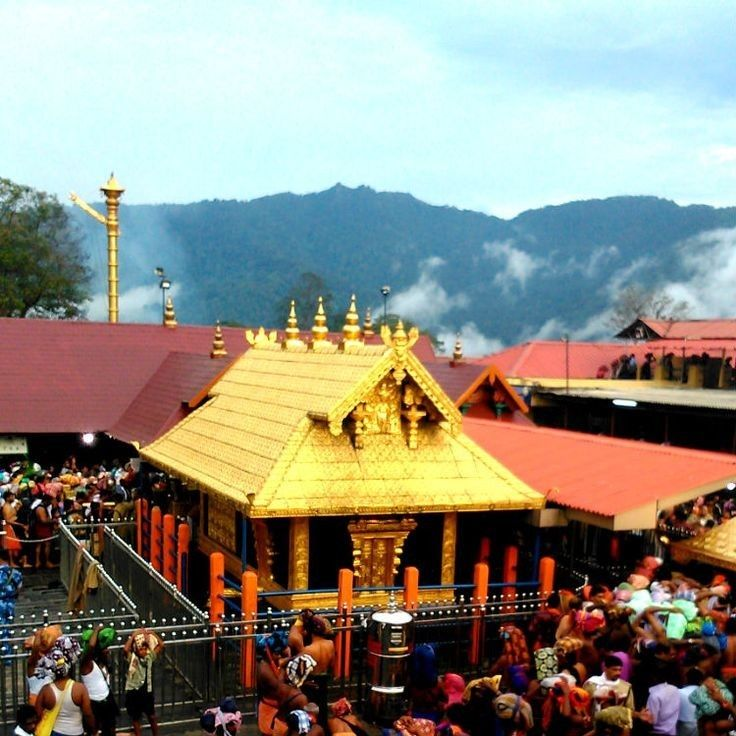
No, Sabarimala has not converted to Islam. Sabarimala is one of the most sacred Hindu pilgrimage sites, located in the state of Kerala, India. It is dedicated to Lord Ayyappa, a revered Hindu deity known as the symbol of celibacy, devotion, and self-discipline.
Sabarimala Temple has ancient Hindu origins, rooted in the worship of Lord Ayyappa, who is believed to be the son of Lord Shiva and Mohini (an incarnation of Lord Vishnu). Each year, millions of devotees visit the temple, especially during the Mandala season, to perform rituals, fasts, and spiritual practices.
Connection Between Religions
While Sabarimala itself remains a Hindu temple, there is a unique example of interfaith harmony nearby—the Vavar Mosque in Erumeli. According to tradition, Vavar was a close Muslim friend and companion of Lord Ayyappa. Pilgrims often visit both the mosque and the temple as a symbol of respect and unity between Hindus and Muslims.
Some online claims or rumors may suggest that Sabarimala or its traditions have Islamic influences or connections. However, these are misunderstandings. The temple continues to follow Hindu customs, rituals, and beliefs while maintaining its long-standing message of religious tolerance and coexistence.
Thinking About Converting to Islam?
We are here to guide you step by step with sincerity, knowledge, and care. Reach out and begin your journey with confidence.
Start Your JourneyDo You want to convert to Islam?
At Salam Center, understanding begins with knowledge and respect. In a world where misinformation often clouds truth, our mission is to provide authentic insights into faith, culture, and spiritual harmony. Stories like that of Sabarimala remind us that unity and compassion lie at the heart of every belief—and it’s this understanding that Salam Center seeks to nurture.
Sabarimala’s Historical and Religious Significance
Sabarimala, located in the Pathanamthitta district of Kerala, India, is one of the most important and revered Hindu pilgrimage centers in the world. The temple is dedicated to Lord Ayyappa, a deity who embodies the virtues of celibacy, devotion, and self-discipline. Each year, millions of devotees undertake the sacred pilgrimage to this hill shrine, following strict spiritual practices and vows that symbolize purity and dedication.
The Legend of Lord Ayyappa
According to Hindu mythology, Lord Ayyappa is believed to be the son of Lord Shiva and Mohini, the female incarnation of Lord Vishnu. This divine origin makes Ayyappa a unique symbol of harmony between different divine energies. The story of his birth, trials, and triumph over evil forms the spiritual foundation of the Sabarimala pilgrimage.
The Pilgrimage and Its Rituals
Pilgrims, known as Ayyappas, prepare for their journey with 41 days of fasting, abstinence, and prayer. They wear simple black or blue clothing, refrain from worldly pleasures, and maintain a pure mind and body. The climb to the temple through the forested hills of the Western Ghats represents the soul’s journey toward enlightenment and liberation.
The Message of Equality and Devotion
Sabarimala stands out for its message of equality—devotees from all castes, communities, and backgrounds are welcome to worship Lord Ayyappa. The pilgrimage symbolizes unity, humility, and the belief that all humans are equal before God.
The Unique Tradition of Interfaith Harmony
An important aspect of Sabarimala’s tradition is the Vavar Mosque at Erumeli, believed to be associated with Vavar, a Muslim friend and companion of Lord Ayyappa. Pilgrims often pay respects at both the mosque and the temple, reflecting the region’s deep-rooted spirit of religious tolerance and coexistence.
Where Did the “Sabarimala Converted to Islam” Claim Come From?
The claim that Sabarimala converted to Islam is false and has no historical or religious basis. It appears to have originated from misinterpretations, online rumors, and misinformation spread through social media and unverified sources.
Misunderstanding the Link Between Ayyappa and Vavar
One of the main reasons for this misconception is the unique connection between the Hindu temple at Sabarimala and the Vavar Mosque in Erumeli. According to legend, Vavar was a Muslim warrior and a close companion of Lord Ayyappa. Devotees visiting Sabarimala often pay homage at both the mosque and the temple as a gesture of mutual respect and interfaith harmony.
However, this tradition of friendship between a Hindu deity and a Muslim devotee has sometimes been misinterpreted as evidence of conversion or Islamic influence, which is not true.
Spread of Online Misinformation
In the age of social media, false narratives can spread quickly, especially when they involve religion or cultural heritage. Posts, videos, or articles with misleading headlines about “Sabarimala converting to Islam” have occasionally circulated online, leading to confusion among readers unfamiliar with the temple’s true history.
The Reality: A Symbol of Unity, Not Conversion
Sabarimala remains a Hindu temple dedicated to Lord Ayyappa, with centuries of Hindu rituals and traditions still practiced today. The inclusion of Vavar’s story represents India’s spirit of religious tolerance and coexistence, not a shift in faith or conversion.
In truth, the connection between Sabarimala and the Vavar Mosque is a powerful reminder of interfaith friendship, showing how devotion and respect can bridge communities rather than divide them.
The Role of the Vavar Mosque in Sabarimala Pilgrimage
The Vavar Mosque in Erumely plays a vital role in the Sabarimala pilgrimage, symbolizing unity between Hindu and Muslim traditions. Dedicated to Vavar Swamy, a Muslim saint and close companion of Lord Ayyappa, the mosque is an integral stop for devotees before they begin their journey to the Sabarimala temple. This centuries-old practice reflects deep respect, friendship, and spiritual inclusivity—core values that define the pilgrimage itself.
Ayyappa and Vavar: A Bond Beyond Religion
According to legend, Vavar was a warrior and devotee who aided Lord Ayyappa in his divine missions. After Vavar’s passing, Ayyappa instructed his followers to honor him, leading to the establishment of the mosque in Erumely.
To this day, pilgrims visit the mosque, offer prayers, and seek blessings before proceeding to the temple—an act rooted in gratitude and interfaith harmony.
A Living Symbol of Harmony
The visit to the Vavar Mosque is not seen as a religious conversion but as a gesture of respect across faiths. Muslim caretakers welcome Hindu devotees with kindness, creating an atmosphere of mutual reverence. This tradition stands as a timeless reminder that spiritual devotion can bridge religious divides, showing how shared belief in goodness and peace can unite communities.
Faith Beyond Boundaries
The inclusion of the mosque in the Sabarimala pilgrimage represents India’s pluralistic spirit—where faiths coexist, respect one another, and even intertwine through stories of compassion.
The Vavar-Ayyappa connection continues to inspire millions, proving that true spirituality lies in understanding, not separation, and that harmony remains one of Sabarimala’s greatest legacies.
Thinking About Converting to Islam?
We are here to guide you step by step with sincerity, knowledge, and care. Reach out and begin your journey with confidence.
Start Your JourneySabarimala and Interfaith Harmony in Kerala
Sabarimala stands as one of the most profound examples of interfaith harmony in Kerala, where religion becomes a bridge, not a barrier. The pilgrimage to Lord Ayyappa’s temple is deeply spiritual, yet uniquely inclusive—welcoming devotees from different backgrounds, beliefs, and walks of life.
What makes Sabarimala exceptional is its acknowledgment of Vavar Swamy, a revered Muslim saint, as an inseparable part of the pilgrimage tradition.
This rare and respectful bond between a Hindu temple and a Muslim shrine has flourished peacefully for centuries, reflecting Kerala’s long-standing tradition of communal coexistence and cultural unity.
Kerala’s Legacy of Religious Coexistence
Kerala has historically been a land of diverse faiths—Hinduism, Islam, and Christianity have coexisted here for over a millennium. The state’s social fabric is woven with mutual respect and shared heritage, and Sabarimala is one of its most enduring symbols.
The harmony between the Ayyappa Temple and the Vavar Mosque shows how faith can unite rather than divide, offering a living example of the tolerance and brotherhood that define Kerala’s identity.
A Spiritual Message for Modern Times
In a world often marked by misunderstanding between religions, Sabarimala’s traditions carry a timeless message—that devotion and humanity transcend belief systems. Pilgrims who bow before both Lord Ayyappa and Vavar embody a universal truth: peace grows when respect is shared.
This interfaith harmony is not merely a local custom but a lesson for the modern world—one that reminds us that spiritual strength lies not in exclusivity but in embracing the divine within every faith.
Who is Vavar Swamy in the Sabarimala Tradition?
Vavar Swamy, also known simply as Vavar, is a revered figure in the Sabarimala tradition — a Muslim saint who is believed to have been a close friend, companion, and devotee of Lord Ayyappa. According to legend, Vavar was once a skilled warrior who encountered Ayyappa during one of his divine missions.
Instead of enmity, their meeting led to deep mutual respect and friendship, transcending religious boundaries. Ayyappa recognized Vavar’s devotion and righteousness, and the two became spiritual allies, united by their shared commitment to truth and virtue.
The Role of Vavar in the Pilgrimage
After Vavar’s passing, a mosque was built in his honor in Erumely, a town on the route to Sabarimala. Lord Ayyappa is said to have instructed his devotees to pay respects to Vavar before undertaking the pilgrimage.
To this day, this practice remains a sacred part of the Sabarimala journey. Pilgrims visit the Vavar Mosque, offer prayers, and receive blessings before continuing toward the Ayyappa Temple. The act represents faith beyond boundaries, as both Hindu and Muslim devotees gather peacefully in reverence to the saint.
Symbol of Interfaith Brotherhood
Vavar Swamy’s presence in the Sabarimala tradition stands as a symbol of interfaith brotherhood and coexistence. His story illustrates that spirituality is not confined to one religion—it thrives in compassion, respect, and shared devotion.
Through the inclusion of Vavar in the sacred pilgrimage, Sabarimala beautifully embodies Kerala’s enduring message of unity in diversity, reminding the world that true faith celebrates humanity in all its forms.
The Truth: A Symbol of Interfaith Respect, Not Conversion
The idea that Sabarimala converted to Islam is entirely unfounded—what truly exists is a beautiful legacy of interfaith respect. The relationship between the Sabarimala Temple and the Vavar Mosque is not one of conversion, but of coexistence and mutual reverence. For centuries, devotees of Lord Ayyappa have honored Vavar Swamy, the Muslim saint associated with Ayyappa’s legend, as a symbol of loyalty and friendship.
This connection represents a cultural and spiritual bond that transcends religion, embodying the message that faith and humanity can coexist harmoniously.
Harmony Rooted in Tradition
The Sabarimala pilgrimage uniquely integrates both Hindu and Muslim traditions without compromising either faith. Before ascending to the temple, pilgrims visit the Vavar Mosque in Erumely, where Muslim caretakers receive them with warmth and respect. This tradition has been preserved for generations, showing that religious identity need not create division—it can instead nurture unity.
Far from being a case of religious conversion, the Sabarimala–Vavar relationship is a testament to shared devotion, where two faiths come together in honor of friendship, humility, and the divine.
A Lesson for the Modern World
In an era often marked by religious tension and misinformation, Sabarimala stands as a powerful reminder of peace and tolerance. Its story teaches that faith gains strength when rooted in understanding rather than fear, and that respect for other beliefs enriches one’s own spirituality.
The truth behind Sabarimala is not about Islam replacing Hinduism—it is about love, respect, and unity triumphing over division. Through this timeless tradition, Sabarimala continues to illuminate the path toward interfaith harmony and universal brotherhood.
Thinking About Converting to Islam?
We are here to guide you step by step with sincerity, knowledge, and care. Reach out and begin your journey with confidence.
Start Your JourneyStart Your Journey with Salam Center
At Salam Center, understanding begins with knowledge and respect. In a world where misinformation often clouds truth, our mission is to provide authentic insights into faith, culture, and spiritual harmony. Stories like that of Sabarimala remind us that unity and compassion lie at the heart of every belief—and it’s this understanding that Salam Center seeks to nurture.
Whether you’re exploring the connections between faiths, learning about the beauty of Islam, or seeking clarity on common misconceptions, Salam Center offers a welcoming space to discover, reflect, and grow. Our resources and programs are designed to inspire curiosity and dialogue, helping individuals from all backgrounds connect through shared values of peace, respect, and understanding.
Join us on this meaningful path—explore truth, celebrate diversity, and deepen your spiritual awareness.
Start your journey with Salam Center—where faith meets understanding.
Conclusion
The truth is clear—Sabarimala has not converted to Islam. Instead, it represents a timeless story of friendship, faith, and mutual respect that bridges two great traditions. The connection between Lord Ayyappa and Vavar Swamy is not one of conflict but of harmony—a reminder that spirituality transcends religious boundaries. In an age of misinformation, the Sabarimala tradition teaches a vital lesson: understanding brings peace, while ignorance breeds division.
By cherishing such stories of coexistence, we can uphold the values that unite humanity—compassion, respect, and the pursuit of truth. Sabarimala continues to shine as a symbol of interfaith harmony, proving that devotion is at its purest when it embraces love over prejudice.
Curious about Islam?
Journey towards clarity and purpose. Our team is here to support you in your search for truth and spiritual guidance.
Embrace the Truth