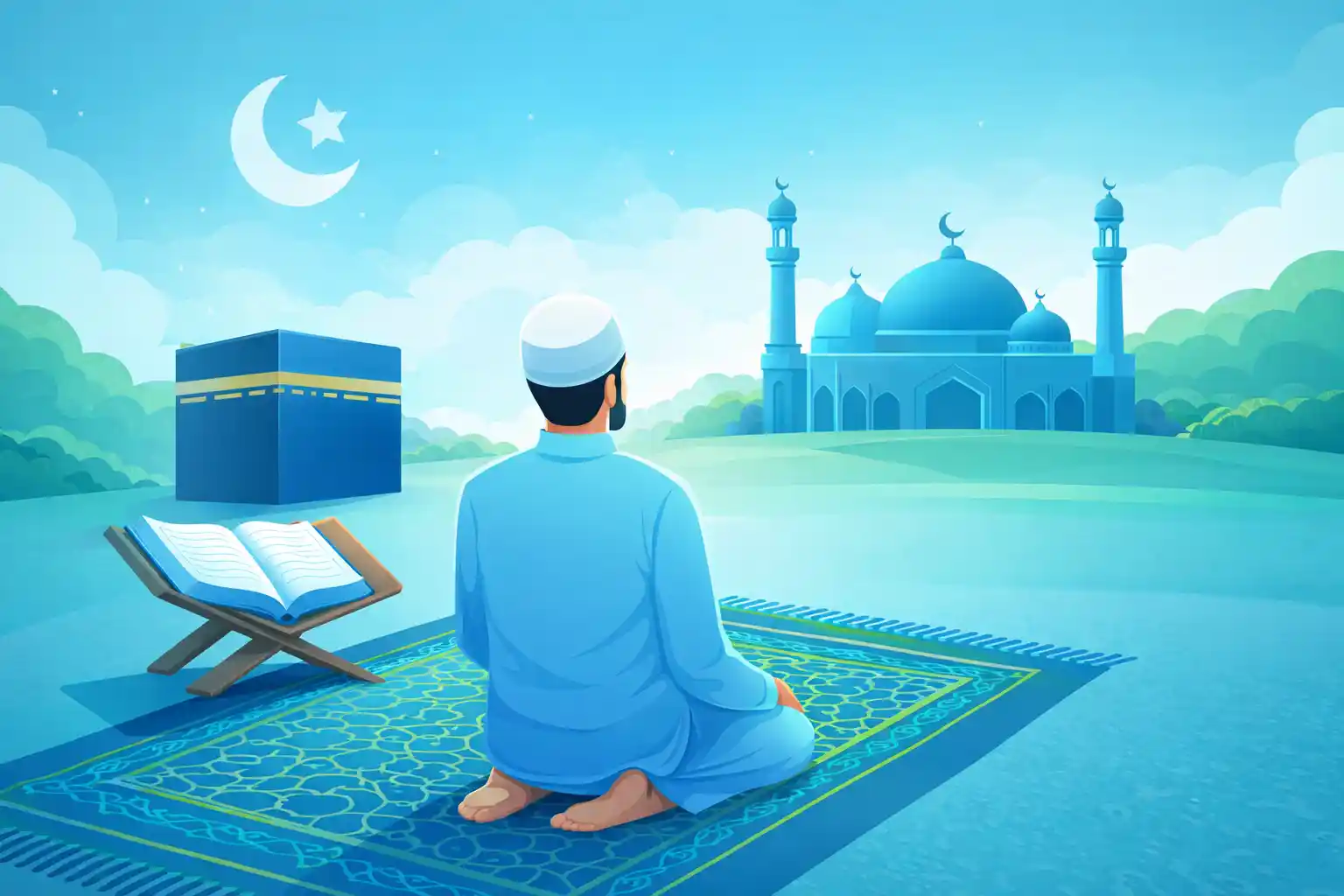
Do You Have To Change Your Name When You Convert To Islam?
When someone embraces Islam, it marks a profound spiritual transformation, a turning of the heart toward faith, peace, and purpose. Yet, amidst the excitement and new beginnings, many find themselves wondering about one simple but meaningful question: “Do I have to change my name now?”
For some, choosing a new name feels like a symbol of rebirth, a way to express their new identity and connection to Islam. For others, it brings confusion or even hesitation, especially when family or cultural ties are strong. So, is it truly required to change your name after becoming Muslim, or is it just a personal choice?
Let’s explore what Islam actually teaches about names, their meaning, and what truly matters when it comes to your identity as a believer.
Do You Have To Change Your Name When You Convert To Islam?
The simple answer is: no, it’s not required to change your name when you convert to islam.
When a person embraces Islam, they do not have to change their name unless it carries a meaning that contradicts Islamic teachings, such as referring to something false, indecent, or connected to worship other than Allah.
If your name already has a good, positive, or even neutral meaning, you can proudly keep it just as it is.
Islam does not require every convert to adopt an Arabic or “Muslim-sounding” name. What truly matters is not how your name sounds, but what your faith, character, and actions reflect.
Your Islam is complete the moment you declare your belief in Allah and His Messenger ﷺ, no name change is necessary for that.
Thinking About Converting to Islam?
We are here to guide you step by step with sincerity, knowledge, and care. Reach out and begin your journey with confidence.
Start Your JourneyWhen Is It Recommended or Required to Change Your Name After Conversion To Islam?
In most cases, new Muslims can keep their original names. However, changing a name becomes recommended, or even necessary, in a few specific situations. You should consider changing your name if:
1. When the Name Has a Bad or Offensive Meaning
If a name carries a negative, harsh, or unpleasant meaning, such as War, Sorrow, Bitterness, or anything that reflects evil or misfortune, it is recommended to change it. Islam encourages positivity in all things, including names, because words have power and influence. A name that reflects beauty and goodness aligns better with the spirit of faith.
2. When the Name Implies Worship of Someone Other Than Allah
If a name expresses servitude to anyone or anything other than Allah, it must be changed. Examples include ‘Abd al-Masīh (servant of the Messiah) or ‘Abd al-Ka‘bah (servant of the Ka‘bah).
In Islam, the concept of ‘ubūdiyyah, servitude, is reserved solely for Allah ﷻ. Keeping such a name would contradict the central belief in Tawḥīd (the Oneness of God).
3. When the Name Contains Divine Titles Belonging Only to Allah
Certain names or titles are considered exclusive to Allah, such as King of Kings, Creator, or All-Knowing. Using these for a human being is not permissible, as it attributes divine qualities to creation rather than the Creator. Changing such a name is a sign of reverence and recognition that all greatness belongs to Allah alone.
In these cases, changing your name becomes an act of respect for your faith, sincerity in belief, and love for Allah. It’s not about erasing your past; it’s about aligning your name with the beautiful meanings Islam encourages.
Prophet Muhammad’s Dealing With New Converts’ Names
In Islam, names are more than just words; they carry meaning, identity, and even a reflection of one’s character.
The Prophet Muhammad ﷺ encouraged new Muslims to choose names that have good, positive, and honorable meanings, as a name can influence how a person is remembered and perceived.
He also guided people to change names that carried unpleasant or negative meanings into ones that were more beautiful and uplifting. For example, a woman once named ʿĀṣiyah (which means disobedient) was given the name Jamīlah (beautiful) by the Prophet ﷺ, highlighting Islam’s appreciation for goodness and positivity in every aspect of life.
The Prophet ﷺ said:
“You will be called on the Day of Resurrection by your names and your fathers’ names, so give yourselves good names.” (Abu Dawud)
This teaching reminds us that a good name is not just for this world; it’s part of our identity before Allah in the Hereafter.
Another case, the Prophet (saw) changed names like “War” (Ḥarb) and “Bitterness” (Murrah) to names such as “Yasār” (ease) and “ʿĀ’ish” (living), symbolizing positivity and hope. This showed his love for optimism and his belief that words, especially names, should carry good meanings.
However, the Prophet ﷺ did not require everyone to change their names. Many of his companions kept their original names after embracing Islam, as long as their meanings were good or neutral. This demonstrates that Islam values meaning over language, and a person’s faith is not dependent on having an Arabic or “Islamic” name.
Thinking About Converting to Islam?
We are here to guide you step by step with sincerity, knowledge, and care. Reach out and begin your journey with confidence.
Start Your JourneyConclusion
Embracing Islam is a journey of faith, sincerity, and renewal of the heart, not a change of identity or heritage. Islam does not require you to change your name when you convert. If your name has a good or neutral meaning, you can keep it proudly as part of who you are. What truly matters is your belief in Allah, your good deeds, and the character you build as a Muslim.
Changing your name is only necessary when it carries a meaning that conflicts with Islamic teachings, such as worship of anything other than Allah, offensive meanings, or divine titles that belong only to Him. Beyond that, it’s entirely a personal choice. Some choose new names to mark a new beginning, while others keep their birth names to honor their family and background; both choices are respected in Islam.
Curious about Islam?
Journey towards clarity and purpose. Our team is here to support you in your search for truth and spiritual guidance.
Embrace the Truth