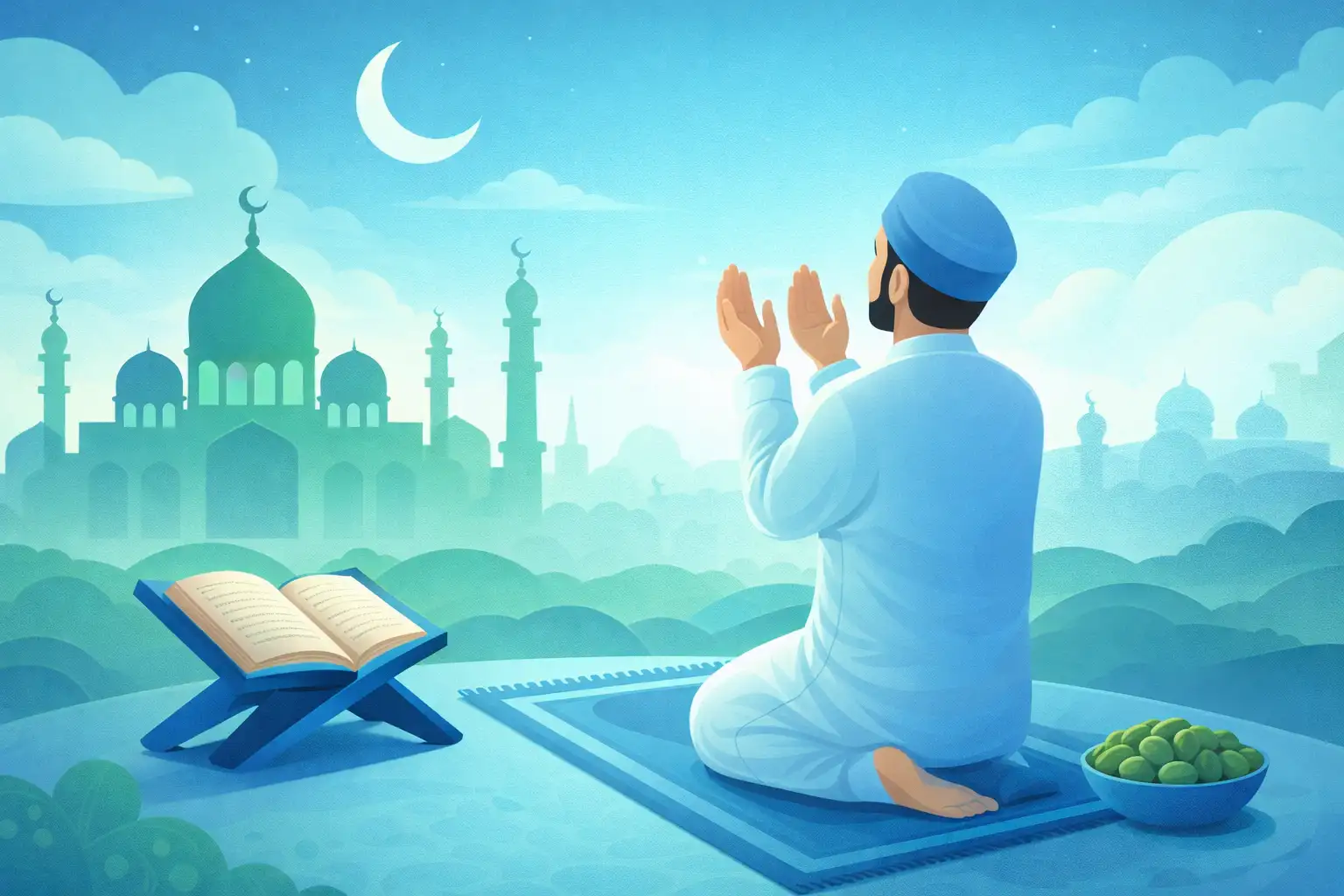
How to Become a Good Muslim?
Becoming a good Muslim is not about perfection—it is about sincere effort, continuous growth, and striving to please Allah. Every believer, whether born into Islam or newly guided, embarks on a personal journey of strengthening faith, purifying the heart, and living by the teachings of the Qur’an and Sunnah. Islam is a complete way of life, guiding us in prayer, character, relationships, and self-discipline.
In this article, we explore how to become a good and better Muslim, with practical steps rooted in authentic Islamic teachings. From prayer and repentance to gratitude, charity, and righteous companionship, each step brings you closer to Allah and inner peace.
Whether you are just beginning or renewing your faith, remember—Allah sees your efforts, hears your heart, and welcomes every step you take toward Him.
1. Strengthen Your Faith (Iman) Through Knowledge
True faith begins with understanding. In Islam, knowledge (‘ilm) is the foundation upon which Iman (faith) stands. To become a good Muslim, one must learn, reflect, and act according to what Allah and His Messenger ﷺ have taught.
Knowledge is the First Step to True Faith
Islam calls every believer to seek knowledge before action. Knowing who Allah is, why we worship, and what He commands brings depth to our Iman.
Qur’an (47:19):
فَاعْلَمْ أَنَّهُ لَا إِلَـٰهَ إِلَّا اللَّهُ
“So know that there is no deity except Allah.”
Transliteration: Fa‘lam annahu lā ilāha illā Allāh.
This verse begins with “Know,” not “Say,” proving that knowledge precedes faith and worship. A Muslim without knowledge risks blind practice, but with knowledge, worship becomes heartfelt and sincere.
Seeking Knowledge is a Worship Itself
The Prophet ﷺ emphasized that learning is not just optional—it is a sacred duty.
Hadith (Ibn Majah):
“Seeking knowledge is an obligation upon every Muslim.”
Arabic: طَلَبُ الْعِلْمِ فَرِيضَةٌ عَلَى كُلِّ مُسْلِمٍ
Transliteration: Talabu al-‘ilmi farīḍatun ‘alā kulli Muslim.
Every lesson in the Qur’an, Hadith, Fiqh, or even good manners is a step to becoming a better Muslim. When you study, angels surround you, and Allah eases your path to Paradise.
Learn the Names and Attributes of Allah
Strengthening Iman means knowing Allah personally—His Mercy, Justice, Wisdom, and Power. The more you know Allah, the more you love and trust Him.
Qur’an (20:8):
اللَّهُ لَا إِلَـٰهَ إِلَّا هُوَ ۖ لَهُ الْأَسْمَاءُ الْحُسْنَىٰ
“Allah—there is no deity except Him. His are the Most Beautiful Names.”
Transliteration: Allāhu lā ilāha illā Huwa, lahu al-asmā’u al-ḥusnā.
Study Asma’ul Husna (Names of Allah), reflect on their meanings, and call upon Allah through them. This fills the heart with reliance (tawakkul) and inner peace.
Combine Knowledge with Action and Humility
True knowledge is not memorization—it is transformation. The Sahabah (companions) learned few verses at a time, but they lived them fully.
Qur’an (62:5):
كَمَثَلِ الْحِمَارِ يَحْمِلُ أَسْفَارًا
“(Those without practice) are like a donkey carrying books.”
Transliteration: Kamathali al-ḥimāri yaḥmilu asfārā.
Knowledge without action is empty, and action without knowledge is misguided. The balance of both makes a true believer.
2. Establish Daily Prayer (Salah) with Presence and Humility
Prayer (Salah) is the heartbeat of a Muslim’s life. It is the second pillar of Islam and the most direct connection between a servant and His Creator. To learn how to become a better Muslim, one must perfect their Salah—not only in action, but also in heart, presence, and humility.
Salah Is the First Deed You Will Be Judged For
On the Day of Judgment, the very first deed judged will be Salah. This shows its weight and importance in Islam.
Hadith (Bukhari & Muslim):
أَوَّلُ مَا يُحَاسَبُ بِهِ الْعَبْدُ يَوْمَ الْقِيَامَةِ الصَّلَاةُ
“The first act that the servant will be accountable for on the Day of Resurrection is Salah.”
Transliteration: Awwalu mā yuḥāsabu bihī al-‘abdu yawma al-qiyāmah aṣ-ṣalāh.
If one perfects their prayers, the rest of their deeds will be blessed. If neglected, everything else may fall short.
Pray on Time—A Sign of True Faith
Praying at its proper time is one of the most beloved acts to Allah.
Hadith (Bukhari & Muslim):
أَحَبُّ الْأَعْمَالِ إِلَى اللَّهِ الصَّلَاةُ عَلَى وَقْتِهَا
“The most beloved deed to Allah is prayer at its proper time.”
Transliteration: Aḥabbu al-a‘māl ilā Allāh aṣ-ṣalātu ‘alā waqtihā.
Delaying Salah weakens faith. To become a good Muslim, prioritize prayer above everything else—work, sleep, or daily distractions.
Develop ’Khushu’—Concentration and Humility in Prayer
True Salah is not merely physical movement; it is the presence of the heart before Allah.
Qur’an (23:1–2):
قَدْ أَفْلَحَ الْمُؤْمِنُونَ • الَّذِينَ هُمْ فِي صَلَاتِهِمْ خَاشِعُونَ
“Successful indeed are the believers—those who are humble in their prayers.”
Transliteration: Qad aflaḥa al-mu’minūn, alladhīna hum fī ṣalātihim khāshi‘ūn.
To build khushu’, understand the words of Salah, recite slowly, and envision standing before Allah on the Last Day.
Learn More About Islam
Discover the beauty, teachings, and wisdom of Islam in a clear and welcoming way. Start exploring and deepen your understanding today.
Learn More3. Purify Your Heart With Sincerity (Ikhlas) and Repentance (Tawbah)
A pure heart is the core of true faith. Islam teaches that Allah does not look at our wealth or appearance but at our hearts and actions. To become a good Muslim, one must constantly cleanse the heart with sincerity (ikhlas) and repentance (tawbah). Without a pure heart, even the greatest deeds lose value.
Ikhlas—Doing Everything for the Sake of Allah Alone
Ikhlas means doing every act of worship—prayer, charity, fasting—not to please people, but solely to please Allah.
Qur’an (98:5):
وَمَا أُمِرُوا إِلَّا لِيَعْبُدُوا اللَّهَ مُخْلِصِينَ لَهُ الدِّينَ
“And they were not commanded except to worship Allah, being sincere to Him in religion.”
Transliteration: Wa mā umirū illā liya‘budullāha mukhliṣīna lahud-dīn.
Ikhlas protects deeds from pride, showing off, and hypocrisy. A sincere deed, even if small, is more beloved to Allah than a great deed done for attention.
Hidden Worship—The Path to True Sincerity
The most powerful acts are often those hidden from people: secret charity, silent tears in prayer, or a private dua at night.
Hadith (Ibn Majah):
“Allah loves the servant who is pious, self-sufficient, and hidden.”
Transliteration: Inna Allāha yuḥibbu al-‘abda at-taqiyy al-ghaniyy al-khafiyy.
If you want to know how to become a better Muslim, increase your hidden worship—because sincerity grows strongest in privacy.
Tawbah—Returning to Allah with a Broken Heart
Every human sins, but the best of sinners are those who repent. Tawbah means returning to Allah after every mistake, with humility and regret.
Qur’an (2:222):
إِنَّ اللَّهَ يُحِبُّ التَّوَّابِينَ وَيُحِبُّ الْمُتَطَهِّرِينَ
“Indeed, Allah loves those who repent and those who purify themselves.”
Transliteration: Inna Allāha yuḥibbu at-tawwābīn wa yuḥibbu al-mutaṭahhirīn.
Sins do not distance you from Allah—remaining unrepentant does. Tawbah transforms darkness into light and guilt into guidance.
Daily Istighfar—Polish the Rust of the Heart
The Prophet ﷺ himself, though sinless, sought forgiveness over 70 times a day.
Hadith (Bukhari):
“By Allah, I seek Allah’s forgiveness and repent to Him more than seventy times a day.”
Make it a habit:
أَسْتَغْفِرُ اللَّهَ — Astaghfirullāh
“I seek Allah’s forgiveness.”
Just as water purifies the body, Istighfar purifies the soul.
4. Follow the Sunnah: Live by the Character of the Prophet ﷺ
To truly become a good Muslim, one must not only worship Allah but also live Islam through character—and no character was more perfect than that of Prophet Muhammad ﷺ. He was the embodiment of mercy, wisdom, justice, and patience. Following his Sunnah is the practical path to developing true Islamic manners.
The Prophet ﷺ Was Sent as a Model of Excellence
Allah Himself declares that the Prophet ﷺ is the perfect example for anyone seeking Allah and the Hereafter.
Qur’an (33:21):
لَقَدْ كَانَ لَكُمْ فِي رَسُولِ اللَّهِ أُسْوَةٌ حَسَنَةٌ
“Indeed, in the Messenger of Allah you have an excellent example. ”
Transliteration: Laqad kāna lakum fī Rasūlillāhi uswatun ḥasanah.
Following the Sunnah is not just imitation—it is a path to becoming a better Muslim in every aspect of life.
Practice Mercy, Forgiveness, and Patience
The Prophet ﷺ showed mercy even to those who hurt him. He forgave enemies, visited the sick, and helped orphans and the poor.
Qur’an (21:107):
وَمَا أَرْسَلْنَاكَ إِلَّا رَحْمَةً لِّلْعَالَمِينَ
“And We have not sent you, [O Muhammad], except as a mercy to the worlds.”
Transliteration: Wa mā arsalnāka illā raḥmatan lil-‘ālamīn.
To follow the Sunnah is to be gentle with others—family, neighbors, children, and even animals.
Daily Sunnah Habits to Become a Better Muslim
- Say “Bismillah” before every task.
- Greet with Assalāmu ‘alaykum.
- Give to small charity regularly.
- Perform voluntary prayers (Sunnah/Nafl).
- Sleep with wudu’ and recite dhikr.
5. Read and Reflect on the Qur’an Daily
The Qur’an is the ultimate guide for every Muslim. It is not just a book to be recited bu a divine message to be understood, lived, and reflected upon. To truly become a better Muslim, one must build a daily relationship with the Qur’an—through recitation, contemplation, and action.
The Qur’an Is a Guide and Mercy for Believers
Allah describes the Qur’an as guidance, healing, and light for those who seek truth.
Qur’an (17:9):
إِنَّ هَٰذَا الْقُرْآنَ يَهْدِي لِلَّتِي هِيَ أَقْوَمُ
“Indeed, this Qur’an guides to that which is most upright.”
Transliteration: Inna hādhā al-Qur’āna yahdī lillatī hiya aqwam.
Reading the Qur’an daily keeps the heart firm, corrects one’s path, and strengthens Iman.
Recitation with Reflection Is the Key
Reciting without understanding is like reading a letter without opening it. True benefit comes from pondering its meanings (Tadabbur).
Qur’an (47:24):
أَفَلَا يَتَدَبَّرُونَ الْقُرْآنَ
“Do they not then reflect upon the Qur’an?”
Transliteration: Afalā yatadabbarūna al-Qur’ān?
Even one verse, deeply understood, can transform a believer’s life.
Dua for a Heart Attached to the Qur’an
اللَّهُمَّ اجْعَلِ الْقُرْآنَ رَبِيعَ قَلْبِي وَنُورَ صَدْرِي
“Allahumma aj‘al al-Qur’āna rabī‘a qalbī wa nūra ṣadrī.”
Translation: O Allah, make the Qur’an the spring of my heart and the light of my chest.
To become a good Muslim, make the Qur’an your daily nourishment. A day without the Qur’an is a day without light.
Learn More About Islam
Discover the beauty, teachings, and wisdom of Islam in a clear and welcoming way. Start exploring and deepen your understanding today.
Learn More6. Practice Gratitude and Patience (Sabr & Shukr)
A true Muslim nurtures the heart through Sabr (patience) and Shukr (gratitude). Life is a balance of ease and hardship, and a believer responds to both with faith. The Prophet ﷺ said:
“Amazing is the affair of the believer, for there is good for him in every matter…”
“…If something good happens to him, he is grateful, and that is good for him. If something bad befalls him, he is patient, and that is good for him.”
(Sahih Muslim
Practicing Shukr—Recognizing Allah’s Blessings Daily
Gratitude (Shukr) begins with acknowledging every blessing—health, family, faith, and even the smallest comforts. Allah ﷻ says:
وَإِذْ تَأَذَّنَ رَبُّكُمْ لَئِن شَكَرْتُمْ لَأَزِيدَنَّكُمْ
“And [remember] when your Lord proclaimed: If you are grateful, I will surely increase you…”
(Surah Ibrahim 14:7)
Transliteration: Wa idh ta’adh-dhana rabbukum la’in shakartum la’azeedannakum.
A grateful Muslim says “Alhamdulillah” in every situation, not just in happiness. Gratitude is shown through words, actions, and using blessings to please Allah.
Practicing Sabr—Patience Through Trials and Tests
Patience (Sabr) is the shield of a believer during hardships. Whether facing loss, illness, or emotional struggle, patience means trusting Allah’s plan. Allah ﷻ says:
إِنَّمَا يُوَفَّى الصَّابِرُونَ أَجْرَهُم بِغَيْرِ حِسَابٍ
“Indeed, the patient will be given their reward without measure.”
(Surah Az-Zumar 39:10)
Transliteration: Innama yuwaffas-sabiroona ajrahum bighayri hisab.
Patience is not remaining silent; it is holding firm in faith, avoiding despair, and continuing to obey Allah.
Balancing Between Sabr and Shukr—The Path of True Believers
A strong Muslim alternates between Sabr in hardship and Shukr in ease. Ibn Al-Qayyim رحمه الله said, “Faith is two halves: half patience and half gratitude.”
The heart that practices both will find peace, knowing that every circumstance is an opportunity to earn reward.
7. Surround Yourself with Good Company
The people you spend time with greatly influence your faith, character, and spiritual growth. Islam teaches that companionship can either elevate you toward Allah or pull you away from His path. A good Muslim seeks friends who remind them of Allah, encourage righteousness, and support them in times of weakness.
The Prophet ﷺ beautifully said:
“A person is upon the religion of his close friend, so let one of you look at whom he befriends.”
(Sunan Abu Dawood, Tirmidhi)
Choose Friends Who Strengthen Your Iman
Good companions are those who remind you to pray, guide you with wisdom, and correct you gently when you make mistakes. Allah ﷻ warns us of regret on the Day of Judgment for choosing bad company:
الْأَخِلَّاءُ يَوْمَئِذٍ بَعْضُهُمْ لِبَعْضٍ عَدُوٌّ إِلَّا الْمُتَّقِينَ
“Close friends, that Day, will be enemies to one another—except for the righteous.”
(Surah Az-Zukhruf 43:67)
Transliteration: Al-akhillā’u yawma’idhin ba‘ḍuhum liba‘ḍin ‘aduwwun illā al-muttaqīn.
Friends of faith uplift you, while heedless companions distract you from your purpose.
Attend Circles of Knowledge and Remembrance
Being around righteous people includes attending gatherings of dhikr (remembrance), Qur’an study, and Islamic lectures. The Prophet ﷺ said:
“No people gather to remember Allah except that tranquility descends upon them, mercy covers them, angels surround them, and Allah mentions them to those with Him.”
(Sahih Muslim)
Such gatherings purify the heart and remind you of your spiritual goals.
Be a Good Companion Yourself
Islam teaches us not only to seek righteous company but to become righteous company. Support your friends in worship, remind them of Allah gently, and be present in their times of need. True brotherhood and sisterhood are built on sincere love for Allah’s sake.
“The strongest bond of faith is loving for the sake of Allah and hating for the sake of Allah.”
(Musnad Ahmad)
8. Control the Tongue and Guard Modesty
Their words and their manners know a good Muslim. Islam teaches that controlling one’s speech and preserving modesty are among the greatest signs of true faith. Words can build hearts—or break them—while modesty (ḥayā’) reflects purity and self-respect.
The Prophet ﷺ said:
“Whoever believes in Allah and the Last Day should speak good or remain silent.”
(Sahih al-Bukhari & Sahih Muslim)
Speak Only What Is Good and Truthful
Islam emphasizes the power of speech. Every word is recorded, and the tongue can lead either to Paradise or destruction. Allah ﷻ reminds us:
مَا يَلْفِظُ مِن قَوْلٍ إِلَّا لَدَيْهِ رَقِيبٌ عَتِيدٌ
“Not a word does he utter but there is a watcher by him ready [to record it].”
(Surah Qaf 50:18)
Transliteration: Mā yalfidhu min qawlin illā ladayhi raqībun ‘atīd.
Avoid gossip, backbiting, lying, and harsh speech. Instead, fill your tongue with dhikr (remembrance of Allah), du‘ā, and words that spread peace and love.
Guarding Modesty—A Sign of Faith
Modesty (ḥayā’) is one of the most beautiful traits in Islam. It is not limited to dress, but also includes behavior, gaze, and manners. The Prophet ﷺ said:
“Every religion has its distinct characteristic, and the distinct characteristic of Islam is modesty.”
(Sunan Ibn Mājah)
True modesty begins in the heart and is reflected in one’s attire, speech, and interactions with others. Allah ﷻ commands both men and women to lower their gaze and maintain purity:
قُل لِّلْمُؤْمِنِينَ يَغُضُّوا مِنْ أَبْصَارِهِمْ وَيَحْفَظُوا فُرُوجَهُمْ
“Tell the believing men to lower their gaze and guard their private parts.”
(Surah An-Nur 24:30)
Transliteration: Qul lil-mu’minīna yaghuddū min absārihim wa yaḥfaẓū furūjahum.
The next verse continues with the same command for believing women, emphasizing equality in responsibility and virtue.
9. Make Duʿā: Seek Allah’s Help to Become Better
No journey of self-improvement in Islam is complete without duʿā (supplication). A Muslim understands that guidance, strength, and steadfastness all come from Allah alone. No matter how strong our efforts are, without Allah’s support, we cannot succeed. Duʿā is the believer’s direct conversation with their Lord—an intimate act of worship filled with hope, reliance, and love.
The Prophet ﷺ said:
“Duʿā is worship.”
(Sunan al-Tirmidhi)
Ask Allah for Guidance and Steadfastness
The believers constantly ask Allah to strengthen their faith and keep their hearts firm. Even the Prophet ﷺ, the most guided of all, frequently made this prayer:
يَا مُقَلِّبَ الْقُلُوبِ ثَبِّتْ قَلْبِي عَلَى دِينِكَ
“O Turner of hearts, make my heart firm upon Your religion.”
Transliteration: Yā Muqallibal-qulūb, thabbit qalbī ‘alā dīnik.
(Sunan al-Tirmidhi)
This duʿā teaches humility—we can never rely on ourselves alone, but always on Allah.
Make Duʿā for Forgiveness, Mercy, and Strength
When striving to become a better Muslim, ask Allah for forgiveness and the ability to overcome sins. The Qur’an teaches us the powerful duʿā of believers:
رَبَّنَا لَا تُزِغْ قُلُوبَنَا بَعْدَ إِذْ هَدَيْتَنَا وَهَبْ لَنَا مِن لَّدُنكَ رَحْمَةً
“Our Lord, do not let our hearts deviate after You have guided us, and grant us mercy from Yourself.”
(Surah Āl-ʿImrān 3:8)
Transliteration: Rabbana lā tuzigh qulūbanā ba‘da idh hadaytanā wa hab lanā min ladunka raḥmah.
Such supplications cleanse the heart and renew one’s commitment to Allah.
Learn More About Islam
Discover the beauty, teachings, and wisdom of Islam in a clear and welcoming way. Start exploring and deepen your understanding today.
Learn MoreStart Your Journey with Salam Center
Becoming a better Muslim is a lifelong journey—one of learning, reflection, struggle, and sincere effort. At Salam Center, we are here to guide you every step of the way, whether you are new to Islam or striving to deepen your faith.
Through trusted Islamic resources, educational programs, and compassionate support, we help you build a stronger connection with Allah, understand the Qur’an and Sunnah, and live with purpose, peace, and clarity.
Your path to faith begins with a single step.
Let Salam Center walk beside you—toward knowledge, worship, spiritual growth, and a heart filled with Iman.
Start today. Grow in faith. Live with Ihsan (Excellence).
Conclusion
The journey to becoming a better Muslim is lifelong—built on knowledge, prayer, sincerity, and good character. It is a path of patience in hardship, gratitude in ease, and constant reliance on Allah through duʿā. No matter where you are right now, every small effort counts: a sincere prayer, a verse of Qur’an, a kind word, or a silent moment of repentance.
Remember, Allah does not ask for perfection—He asks for sincerity and effort. With each day, renew your intention to grow, to learn, and to reflect the beautiful teachings of Islam in your actions and heart. May Allah strengthen our Iman, purify our hearts, and guide us all on the path of righteousness. Ameen.
Curious about Islam?
Journey towards clarity and purpose. Our team is here to support you in your search for truth and spiritual guidance.
Embrace the Truth