What Are the Principal Holy Days of Islam?
Islam’s sacred calendar marks moments when heaven’s gates open wider, when prayers carry greater weight, and when believers across the globe unite in worship. Unlike the secular calendar’s fixed celebrations, the principal holy days of Islam follow the lunar cycle, shifting through seasons and carrying profound spiritual significance that transcends mere commemoration.
These days aren’t holidays in the conventional sense—they’re spiritual peaks in the Muslim year. Some bring communities together in celebration after months of devotion. Others call for reflection, sacrifice, and remembrance of pivotal moments in Islamic history. Understanding these occasions opens a window into the rhythm of Muslim life and the values that shape over a billion hearts worldwide.
1. Eid al-Fitr is The First of the Principal Holy Days of Islam
After thirty days of dawn-to-dusk fasting during Ramadan, Muslims celebrate Eid al-Fitr—a day of joy, gratitude, and community that marks one of the principal holy days of Islam.
This isn’t merely relief at Ramadan’s end; it’s a celebration of spiritual transformation and divine mercy.
A. The ritual of the Eid prayer and its communal impact
The day begins before sunrise with a special prayer performed in congregation, often in open fields or large mosques. Muslims wear their finest clothes, apply perfume, and gather as families prepare for this blessed occasion.
B. Zakat al Fitr as a pillar of the celebration
Before attending prayer, each household pays Zakat al-Fitr—a charitable obligation ensuring even the poorest can celebrate.
The Prophet Muhammad ﷺ established this day as a time when “Allah prescribed it to purify those who fast from empty and obscene talk and as food for the needy.” (Sunan Abu Dawud)
Homes fill with special foods and sweets. Children receive gifts and new clothes. Families visit one another, forgive past grievances, and strengthen bonds. The atmosphere radiates with the warmth of a community that has journeyed together through Ramadan’s spiritual intensive.
This celebration reminds Muslims that worship should culminate in joy, not burden. After striving to draw near to Allah through fasting, prayer, and charity, believers celebrate His acceptance of their efforts.
The greeting “Eid Mubarak” (Blessed Festival) echoes through streets as Muslims embrace the fruits of their devotion.
2. Eid al-Adha is The Second of the Principal Holy Days of Islam
Eid al-Adha stands as the greatest of the principal holy days of Islam, commemorating Prophet Ibrahim’s willingness to sacrifice his son in submission to Allah’s command.
Like Eid al-Fitr, the day begins with communal prayer, followed by the sacrifice and celebration. Families gather, share meals, and reflect on Ibrahim’s legacy of absolute trust in Allah.
This four-day celebration coincides with the culmination of Hajj, Islam’s pilgrimage to Makkah.
Muslims worldwide join pilgrims in slaughtering livestock—sheep, goats, cows, or camels—following specific Islamic guidelines. The act isn’t primitive ritual; it’s profound symbolism of sacrifice and gratitude.
A. The legacy of Prophet Ibrahim and the act of sacrifice
The act of sacrifice is a direct reenactment of the trial faced by Prophet Ibrahim. When he showed total readiness to obey Allah, a ram was sent to be sacrificed in place of his son.
The Quran states:
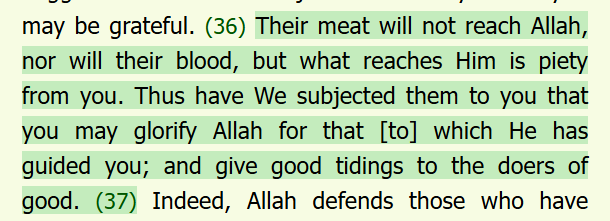
“Their meat will not reach Allah, nor will their blood, but what reaches Him is piety from you.” (Quran 22:37)
B. Distribution of meat and the ethics of the sacrifice
The meat is distributed in three parts: one-third for the family, one-third for friends and relatives, and one-third for the poor.
This distribution ensures everyone shares in the celebration, regardless of economic status. The sacrifice becomes a vehicle for social cohesion and care for the vulnerable.
Ready to Begin Your Journey to Islam?
Our team is here to support you with guidance, answers, and sincere advice. Reach out to us today and take your first step with confidence.
Contact Us Now3. The Day of Arafah as a Prelude To The Principal Holy Days of Islam
The Day of Arafah occurs on the 9th of Dhul-Hijjah, the day before Eid al-Adha begins. It is arguably the most important day in the Islamic calendar for spiritual reflection and forgiveness.
This day witnessed the completion of Islam’s message. During the Prophet’s farewell pilgrimage, Allah revealed:
“This day I have perfected for you your religion and completed My favor upon you and have approved for you Islam as religion.” (Quran 5:3)
For pilgrims at Hajj, standing on the plains of Arafat is the pinnacle of their journey. For those not at Hajj, fasting on this day is a highly recommended practice.
Seeking forgiveness and spiritual elevation on Arafah
Believers spend the day in “Dua” (supplication), asking Allah for guidance and the strength to remain firm in their faith. It is seen as a day when Allah descends His mercy upon the earth.
The Prophet Muhammad ﷺ stated that fasting on the Day of Arafah expiates the sins of the previous year and the coming year. It is a day of intense supplication and seeking mercy.
The atmosphere is one of humility. Whether in the heat of the desert or the quiet of one’s home, the focus is entirely on the relationship between the servant and the Creator.
This day sets the emotional and spiritual tone for the following Eid. By the time the festival arrives, the believer’s heart is softened and ready for the gratitude that Eid al-Adha demands.
4. Ramadan is The Sacred Month of Fasting With 30 Principal Holy Days of Islam
While not a single day, Ramadan itself constitutes one of the principal holy days of Islam—a month-long spiritual season that transforms Muslim life globally.
During these twenty-nine or thirty days, Muslims abstain from food, drink, and marital relations from dawn until sunset.
Allah chose Ramadan for a profound reason:
“The month of Ramadan [is that] in which was revealed the Quran, a guidance for the people and clear proofs of guidance and criterion.” (Quran 2:185)
Ramadan commemorates the first revelation of the Quran to Prophet Muhammad ﷺ. The month becomes an intensive spiritual training camp where believers strengthen their relationship with Allah through fasting, increased prayer, Quran recitation, and charity.
Fasting teaches self-discipline, empathy for the hungry, and consciousness of Allah. When physical appetites are subdued, spiritual awareness heightens.
Muslims spend extra hours in night prayers called Tarawih, seeking to complete the entire Quran’s recitation during the month.
A. The Last Ten Nights of Ramadan
The last ten nights of Ramadan carry special significance, particularly Laylat al-Qadr (the Night of Power)—better than a thousand months in value.
The Prophet ﷺ said, “Whoever stands [in prayer] during Laylat al-Qadr with faith and seeking reward, his previous sins will be forgiven.” (Sahih Bukhari)
Communities break their fast together at sunset (iftar), sharing meals and spiritual reflections. Mosques overflow with worshippers.
The entire atmosphere shifts—businesses adjust hours, families gather, and spiritual priorities dominate daily rhythms.
B. Laylat al-Qadr is The Holy Night of Divine Decree
Among the principal holy days of Islam, Laylat al-Qadr (the Night of Power or Decree) stands uniquely powerful. Occurring during Ramadan’s last ten nights—most likely on one of the odd-numbered nights—this single night surpasses a thousand months in spiritual value.
Allah devoted an entire Quran chapter to its significance:
“Indeed, We sent it [the Quran] down during the Night of Decree. And what can make you know what the Night of Decree is? The Night of Decree is better than a thousand months.” (Quran 97:1-3)
On this night, the Quran’s first verses descended upon Prophet Muhammad ﷺ, beginning Islam’s final revelation.
Additionally, divine decrees for the coming year are determined—destinies written, provisions allocated, life spans decreed.
Muslims spend this night in worship, seeking Allah’s forgiveness and mercy.
The Prophet ﷺ taught his wife Aisha to pray:“O Allah, You are Forgiving and love forgiveness, so forgive me.” (Sunan al-Tirmidhi)
Mosques remain open throughout the night. Believers recite Quran, offer voluntary prayers, make supplications, and seek repentance. The atmosphere carries palpable spiritual electricity as millions worldwide simultaneously turn toward Allah in devotion.
The Weekly Holy Day Of Jumuah In Islamic Life
While the two Eids are the major annual festivals, Friday (Jumu’ah) is considered a weekly “Eid” for Muslims. It is the most blessed day of the week.
The Prophet Muhammad ﷺ emphasized the importance of taking a bath, wearing clean clothes, and attending the congregational Friday prayer. It is a day of gathering and learning.
“O you who have believed, when [the adhan] is called for the prayer on the day of Jumu’ah [Friday], then proceed to the remembrance of Allah and leave trade.” (Quran 62:9)
The role of the Friday sermon in community education
The sermon delivered during Jumu’ah serves as a weekly recalibration for the believer. It addresses current issues, provides moral guidance, and reinforces Quranic principles.
It is a time for the community to disconnect from the hustle of work and trade to focus on their spiritual well-being. This weekly rhythm prevents the heart from becoming hardened by worldly pursuits.
For many Muslims living in the West, Jumu’ah is the primary point of contact with their local community. It provides a sense of belonging and a regular opportunity for growth.
Common Misconceptions About The Principal Holy Days of Islam
Many observers mistakenly view these days as mere “Muslim versions” of other religious holidays. However, the principal holy days of Islam are not based on seasonal changes or solar cycles.
Because the Islamic calendar is lunar, these holidays rotate through the seasons. This means a Muslim will experience the long fasts of Ramadan in the summer and the shorter days of winter over a 33-year cycle.
Another misconception is that these days are purely for indulgence. In reality, the day begins with prayer and ends with the remembrance of Allah, keeping the celebration disciplined.
The lunar calendar and its universal fairness
The use of the lunar calendar ensures that no single region of the world always has the “easier” season for fasting or pilgrimage. It is a system of divine justice that affects all believers equally.
It also keeps the focus on the moon, a natural sign of Allah’s creation. The sighting of the new crescent moon is a moment of anticipation that brings the community together in a shared experience.
This fluidity prevents the holidays from becoming stagnant or tied to specific cultural climates. They remain fresh and spiritually significant regardless of when they fall in the Gregorian year.
The difference between cultural traditions and Islamic law
While different cultures have unique ways of celebrating—such as specific foods or clothing—the core religious requirements remain identical globally.
Whether in Morocco, Indonesia, or the United States, the Eid prayer and the spirit of the day are the same. This unity is one of the most powerful aspects of the faith.
The principal holy days of Islam serve as a bridge between the diverse ethnicities of the Ummah. On these days, the universal identity of being a Muslim takes precedence over all other affiliations.
Ready to Begin Your Journey to Islam?
Our team is here to support you with guidance, answers, and sincere advice. Reach out to us today and take your first step with confidence.
Contact Us NowExplore More About Islamic Practices And Beliefs
The Salam platform offers comprehensive articles addressing common questions about Islam, the Prophet Muhammad ﷺ, and Muslim life.
Whether you’re curious about daily prayers, seeking to understand Islamic teachings more deeply, or considering embracing Islam yourself, we’re here to help.
Have specific questions not covered in this article?
Interested in learning how to become Muslim?
Contact us through the Salam platform—we welcome sincere inquiries and provide guidance for those seeking truth with open hearts.

Conclusion
Islam’s holy days aren’t isolated celebrations. Ramadan trains restraint and attentiveness, Laylat al-Qadr concentrates a lifetime’s worth of worship into a single night, and the Day of Arafah centers repentance and humility before celebration ever begins.
The two Eids arrive as responses, not starting points. Eid al-Fitr follows discipline with relief and generosity, while Eid al-Adha ties joy to sacrifice, charity, and the moral legacy of Prophet Ibrahim, turning belief into visible action within families and communities.
Even outside annual milestones, Jumu‘ah keeps the calendar grounded. A weekly pause for prayer, learning, and recalibration prevents faith from becoming seasonal, ensuring remembrance remains woven into ordinary workdays rather than confined to rare occasions.
Curious about Islam?
Journey towards clarity and purpose. Our team is here to support you in your search for truth and spiritual guidance.
Embrace the TruthDiscussion
0 CommentsLeave a Comment
No comments yet. Be the first to share your thoughts!