
What Does the Quran Say About Cheating on Your Wife?
The Quran addresses cheating directly and forbids adultery outright and commands believers not even to approach the paths that lead to it.
For anyone asking what does the Quran say about cheating on your wife, the answer begins with a single, powerful verse in Surah Al-Isra and unfolds through the Prophetic tradition into a complete moral framework — one built on trust, accountability, and the possibility of return.
Does the Quran Explicitly Forbid Adultery?
Yes — the Quran forbids adultery in direct, unequivocal language, commanding believers to stay far from it rather than merely avoid the act itself. The central verse reads:
وَلَا تَقْرَبُوا الزِّنَا ۖ إِنَّهُ كَانَ فَاحِشَةً وَسَاءَ سَبِيلًا
“And do not approach unlawful sexual intercourse. Indeed, it is ever an immorality and is evil as a way.” (Quran 17:32)
Why the Verse Says “Do Not Approach” Rather Than “Do Not Commit”
The wording matters. Allah did not simply say “do not commit zina” — He said do not even draw near it.
Classical commentators, including Ibn Kathir, explain that this phrasing closes off every gateway leading toward the sin: private meetings between unrelated men and women, flirtatious communication, and any situation that invites temptation. The command targets the root, not merely the final act.
Zina Is Named Among the Gravest Sins in the Quran
Surah Al-Furqan lists zina alongside shirk (associating partners with Allah) and unjust killing as among the gravest transgressions a person can commit:
وَالَّذِينَ لَا يَدْعُونَ مَعَ اللَّهِ إِلَٰهًا آخَرَ وَلَا يَقْتُلُونَ النَّفْسَ الَّتِي حَرَّمَ اللَّهُ إِلَّا بِالْحَقِّ وَلَا يَزْنُونَ
“And those who do not invoke with Allah another deity or kill the soul which Allah has forbidden except by right, and do not commit unlawful sexual intercourse.” (Quran 25:68)
This placement is deliberate. Islamic scholarship, grounded in faith in Islam, treats the severity of a sin partly by its company — and here, betrayal of the marital bond stands beside the two sins most destructive to human society and to one’s relationship with Allah.
Why Does Islam Treat Marital Infidelity So Seriously?
Islam treats infidelity as a rupture of a sacred trust, not simply a personal indiscretion between two adults. The marriage contract in the Quran is described using extraordinary language:
وَأَخَذْنَ مِنكُم مِّيثَاقًا غَلِيظًا
“And they have taken from you a solemn covenant.” (Quran 4:21)
A Covenant, Not a Contract of Convenience
The phrase “mithaqan ghalizan” — a solemn or firm covenant — appears in the Quran only a handful of times, describing bonds of the highest gravity, including the covenant Allah took from the prophets themselves. Applying this language to marriage signals that the trust between spouses is not casual. Breaking it through infidelity strikes at something the Quran treats as spiritually weighty, not merely socially awkward.
The Social and Spiritual Fabric It Protects
| What Infidelity Damages | Quranic or Prophetic Basis |
| Trust between spouses | Quran 4:21 — the “solemn covenant” |
| Lineage and family clarity | Quran 24:2-4 — rulings on zina and false accusation |
| One’s connection to Allah | Hadith — faith diminishes during the act of sin |
| Social stability | Quran 17:32 — zina as “an evil way” leading to further harm |
Learn More About Islam
Discover the beauty, teachings, and wisdom of Islam in a clear and welcoming way. Start exploring and deepen your understanding today.
Learn MoreHow Does Islamic Law Protect Against False Accusations of Cheating?
Islamic law sets an extraordinarily high bar of proof for adultery accusations — four direct eyewitnesses to the act itself — specifically to prevent slander and protect reputations. The Quran states:
وَٱلَّذِينَ يَرْمُونَ ٱلْمُحْصَنَٰتِ ثُمَّ لَمْ يَأْتُوا۟ بِأَرْبَعَةِ شُهَدَآءَ فَٱجْلِدُوهُمْ ثَمَٰنِينَ جَلْدَةً
“And those who accuse chaste women and then do not produce four witnesses – lash them with eighty lashes.” (Quran 24:4)
Why This Standard Matters
This requirement makes public prosecution for zina almost impossible to fulfill in practice, which is precisely the point.
Classical jurists, including scholars of the Maliki, Shafi’i, Hanafi, and Hanbali schools, understood this evidentiary threshold as a deterrent against reckless accusation rather than an invitation to surveillance.
The emphasis throughout Islamic jurisprudence falls on prevention, privacy, and personal accountability before Allah — not public exposure.
Can Someone Who Has Cheated Be Forgiven?
Yes — the door of sincere repentance (tawbah) remains fully open to anyone who has committed adultery, provided the repentance is genuine, complete, and accompanied by real change. Allah says:
وَتُوبُوٓا۟ إِلَى ٱللَّهِ جَمِيعًا أَيُّهَ ٱلْمُؤْمِنُونَ لَعَلَّكُمْ تُفْلِحُونَ
“And turn to Allah in repentance, all of you, O believers, that you might succeed.” (Quran 24:31)
What Sincere Repentance Requires
Islamic scholarship outlines several conditions for tawbah to be accepted: genuine remorse, immediate cessation of the sin, firm resolve never to return to it, and — where relevant — making amends with those wronged. Allah’s mercy is described throughout the Quran as vast, and no sin, however serious, places a person beyond the reach of that mercy if the return is sincere.
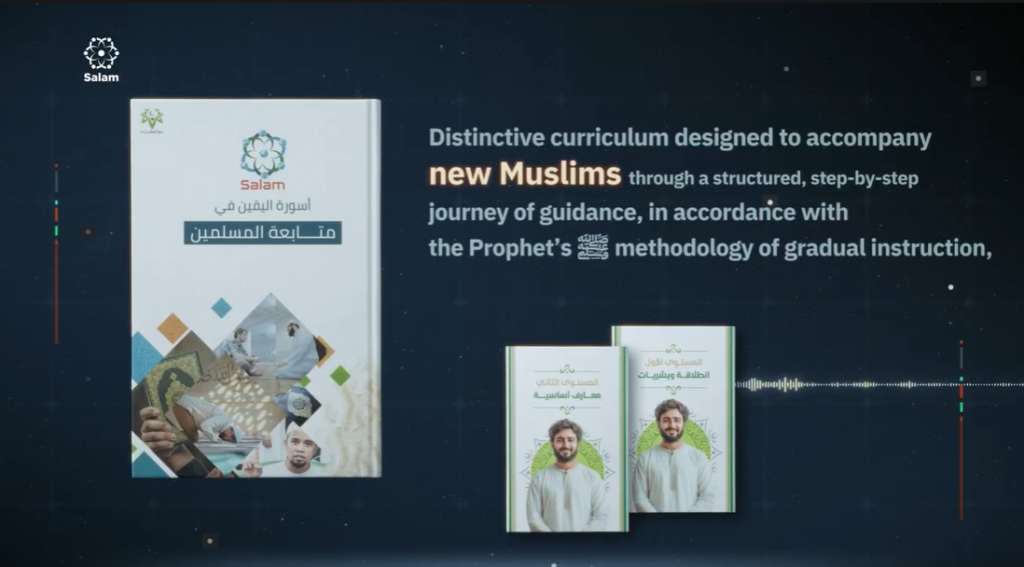
This message of restoration lies at the heart of what the Salam Center team offers new and struggling Muslims through the Asawirat Al-Yaqeen (Bracelets of Certainty) program, particularly its stage on sincere repentance for those seeking to rebuild their spiritual foundation after a major sin.
What Did Prophet Muhammad (PBUH) Say About the Roots of Infidelity?
Prophet Muhammad (PBUH) taught that zina begins long before any physical betrayal, originating in the eyes, the tongue, and the heart. This teaching reframes cheating not as a single moment of failure but as the endpoint of a series of smaller compromises.
Read Also: Does the Quran Say the Universe Is Expanding?
The Hadith on the “Zina” of the Body’s Parts
Abu Huraira (may Allah be pleased with him) reported that the Prophet (PBUH) said:
“Allah has written for the son of Adam his inevitable share of adultery, whether he is aware of it or not: the adultery of the eye is looking, the adultery of the tongue is speech, and the inner self wishes and desires, and the private parts confirm that or deny it.” (Sahih al-Bukhari 6243)
A parallel narration in Sahih Muslim adds that even listening and touching carry their own form of this warning — a lustful glance, an emotional affair conducted through words, a hand held too long. None of these require physical intimacy to represent the beginning of betrayal.
Step-by-Step: How the Prophetic Teaching Frames the Path Toward Cheating
Step 1: The Eyes — A lingering, desiring look at someone outside the marriage.
Step 2: The Tongue — Words exchanged that carry emotional or romantic weight.
Step 3: The Heart — Desire and longing take root internally.
Step 4: The Body — The private parts either act on what preceded them or restrain themselves.
This progression is why Islamic guidance on modesty, private meetings between unrelated men and women, and digital communication is not about suspicion — it is preventive wisdom rooted directly in Prophetic teaching.
Read Also: What Does the Quran Say About Eating Pork?
What Happens to a Believer’s Faith When They Commit This Sin?
A believer’s faith is weakened, not annihilated, by committing adultery — the sin does not expel a person from Islam, according to the creed of Ahlus Sunnah wal Jama’ah. The Prophet (PBUH) said:
“The adulterer does not commit adultery while he is a believer…” (Sahih al-Bukhari 2475; Sahih Muslim 57)
How Ahlus Sunnah Understands This Hadith
Some early deviant sects, such as the Khawarij, misapplied this hadith to claim that a Muslim who commits a major sin exits the religion entirely. The scholars of Ahlus Sunnah wal Jama’ah rejected this reading. The correct understanding, transmitted through generations of orthodox scholarship, is that the hadith describes a temporary weakening of faith during the act of disobedience — not disbelief. The person remains a believer, though a diminished one, and their ultimate matter after sincere repentance rests with Allah’s mercy.
This nuanced theological position reflects the broader methodology found in what do Muslims believe about the Quran — a tradition that reads scripture through scholarly consensus rather than isolated literalism.
Read Also: Does the Quran Say to Kill Enemies?
Learn More About Islam
Discover the beauty, teachings, and wisdom of Islam in a clear and welcoming way. Start exploring and deepen your understanding today.
Learn MoreExplore More Guidance from the Quran and Sunnah
If this raised questions you’d like to explore further, we’re here for that.
Visit the Salam Platform to explore more articles grounded in authentic Islamic teaching.
Read more reflections and guidance on the Salam blog.
Have a personal question about marriage, repentance, or Islamic teachings? Reach out directly — no question is too sensitive.

Considering Islam, or newly Muslim and looking for structure? The Asawirat Al-Yaqeen (Bracelets of Certainty) program was built for exactly this journey:
- A four-stage curriculum moving from foundational belief through practical life guidance
- Lessons on repentance, family, and personal conduct rooted in the Quran and Sunnah
- Support designed specifically for the post-conversion phase
- Available in multiple languages through an interactive format
Reach out directly to the Salam Center team to start the Asawirat Al-Yaqeen (Bracelets of Certainty) program for FREE.
Summary
Marital infidelity in Islam is addressed directly through Quran 17:32, which commands believers not to approach zina, and reinforced by Prophetic teaching on how the eyes, tongue, and heart participate before any physical act occurs. The marriage covenant itself is described in uniquely solemn terms.
Islamic law balances this seriousness with mercy — protecting the accused through strict evidentiary standards while keeping repentance permanently available. A believer who has cheated remains within the fold of faith and can return to Allah through sincere, complete tawbah.
Frequently Asked Questions
Does the Quran call adultery a major sin?
Yes. The Quran lists zina among the gravest sins in Quran 25:68, placing it alongside shirk and unjust killing, and separately commands believers not to approach it in Quran 17:32.
What does Islam say about emotional affairs, not just physical cheating?
The Prophet (PBUH) described the “zina” of the eyes as looking and of the tongue as speech in Sahih al-Bukhari 6243, meaning emotional or flirtatious involvement outside marriage is treated as a serious precursor to betrayal.
Can someone who cheated on their spouse be forgiven in Islam?
Yes. Quran 24:31 commands believers to turn to Allah in repentance, and Islamic scholarship confirms that sincere tawbah — remorse, cessation, and resolve — restores a person’s standing with Allah.
Why does Islamic law require four witnesses to prove adultery?
Quran 24:4 establishes this standard specifically to prevent false accusations and protect individuals’ reputations, making public prosecution deliberately difficult while emphasizing personal accountability before Allah.
Curious about Islam?
Journey towards clarity and purpose. Our team is here to support you in your search for truth and spiritual guidance.
Embrace the Truth