
What Does the Quran Say About Eating Pork?
| Key Takeaways |
| The Quran forbids eating pork in four separate verses, making it one of the clearest dietary prohibitions in Islamic scripture. |
| Surah Al-Baqarah 2:173 lists swine flesh alongside dead animals, blood, and meat dedicated to other than Allah as forbidden. |
| The prohibition is repeated in Surah Al-Ma’idah 5:3, Surah Al-An’am 6:145, and Surah An-Nahl 16:115, showing consistency across the Quran. |
| Islamic scholars classify pork as haram (unlawful) with only one exception: genuine, life-threatening necessity. |
The Quran explicitly forbids eating pork — and it says so not once, but four times. This repetition is unusual in Quranic legislation and signals how seriously the prohibition is treated within Islam.
This article walks through every relevant verse, the reasoning offered by classical scholars, and the practical rulings that shape how Muslims approach this command today.
What Does the Quran Say About Eating Pork?
Allah forbids the flesh of swine in Surah Al-Baqarah, Surah Al-Ma’idah, Surah Al-An’am, and Surah An-Nahl. Each mention uses nearly identical phrasing, which signals how firm and non-negotiable this ruling is within the Quran’s structure.
The first revelation on the topic comes early in the Quran, in the second chapter:
إنَّمَا حَرَّمَ عَلَيْكُمُ الْمَيْتَةَ وَالدَّمَ وَلَحْمَ الْخِنزِيرِ وَمَا أُهِلَّ بِهِ لِغَيْرِ اللَّهِ ۖ فَمَنِ اضْطُرَّ غَيْرَ بَاغٍ وَلَا عَادٍ فَلَا إِثْمَ عَلَيْهِ ۚ إِنَّ اللَّهَ غَفُورٌ رَّحِيمٌ
“He has only forbidden to you dead animals, blood, the flesh of swine, and that which has been dedicated to other than Allah. But whoever is forced [by necessity], neither desiring [it] nor transgressing [its limit], there is no sin upon him. Indeed, Allah is Forgiving and Merciful.” (Quran 2:173)
This same wording reappears almost verbatim in Surah Al-Ma’idah (5:3), in Surah Al-An’am (6:145), and again in Surah An-Nahl (16:115).
The repetition itself is meaningful — the Quran doesn’t usually restate a legal ruling four separate times unless the matter is settled beyond dispute.
Where Does The Quran Mention The Prohibition Of Pork?
The Quran addresses pork in four distinct chapters, each reinforcing the same core ruling. The consistency across four separate revelations, spanning both Meccan and Medinan periods, indicates the prohibition was never meant to be provisional or contextual — it stands as a permanent dietary boundary. This matters for understanding how Quranic law works: repeated rulings across different surahs typically carry heightened weight in classical tafsir (exegesis).
1. The Prohibition of Pork in Surah Al-Baqarah, Verse 173
إنَّمَا حَرَّمَ عَلَيْكُمُ الْمَيْتَةَ وَالدَّمَ وَلَحْمَ الْخِنزِيرِ وَمَا أُهِلَّ بِهِ لِغَيْرِ اللَّهِ ۖ فَمَنِ اضْطُرَّ غَيْرَ بَاغٍ وَلَا عَادٍ فَلَا إِثْمَ عَلَيْهِ ۚ إِنَّ اللَّهَ غَفُورٌ رَّحِيمٌ
“He has only forbidden to you dead animals, blood, the flesh of swine, and that which has been dedicated to other than Allah. But whoever is forced [by necessity], neither desiring [it] nor transgressing [its limit], there is no sin upon him. Indeed, Allah is Forgiving and Merciful.” (Quran 2:173)
This is the first and most frequently cited verse on the topic. It appears within a broader passage instructing believers to eat from what is lawful and good, immediately followed by the exceptions — dead animals, blood, swine flesh, and anything slaughtered while invoking a name other than Allah’s.
2. The Prohibition of Pork in Surah Al-Ma’idah, Verse 3
حُرِّمَتْ عَلَيْكُمُ الْمَيْتَةُ وَالدَّمُ وَلَحْمُ الْخِنزِيرِ وَمَا أُهِلَّ لِغَيْرِ اللَّهِ بِهِ وَالْمُنْخَنِقَةُ وَالْمَوْقُوذَةُ وَالْمُتَرَدِّيَةُ وَالنَّطِيحَةُ وَمَا أَكَلَ السَّبُعُ إِلَّا مَا ذَكَّيْتُمْ
“Prohibited to you are dead animals, blood, the flesh of swine, and that which has been dedicated to other than Allah, and [those animals] killed by strangling or by a violent blow or by a head-long fall or by the goring of horns, and those from which a wild animal has eaten, except what you [are able to] slaughter [before its death]…” (Quran 5:3)
This verse expands the list of forbidden meats considerably, situating pork within a wider framework of dietary purity that also governs how permitted animals must be slaughtered.
3. The Prohibition of Pork in Surah Al-An’am, Verse 145
قُل لَّا أَجِدُ فِي مَا أُوحِيَ إِلَيَّ مُحَرَّمًا عَلَىٰ طَاعِمٍ يَطْعَمُهُ إِلَّا أَن يَكُونَ مَيْتَةً أَوْ دَمًا مَّسْفُوحًا أَوْ لَحْمَ خِنزِيرٍ فَإِنَّهُ رِجْسٌ
“Say, ‘I do not find within that which was revealed to me [anything] forbidden to one who would eat it unless it be a dead animal or blood spilled out or the flesh of swine — for indeed, it is impure…'” (Quran 6:145)
Here the Quran uses the word rijs (impure/filthy) to describe swine flesh specifically — a term applied to very few things in the entire Quran, underscoring the severity of the ruling.
4. The Prohibition of Pork in Surah An-Nahl, Verse 115
إِنَّمَا حَرَّمَ عَلَيْكُمُ الْمَيْتَةَ وَالدَّمَ وَلَحْمَ الْخِنزِيرِ وَمَا أُهِلَّ لِغَيْرِ اللَّهِ بِهِ ۖ فَمَنِ اضْطُرَّ غَيْرَ بَاغٍ وَلَا عَادٍ فَإِنَّ اللَّهَ غَفُورٌ رَّحِيمٌ
“He has only forbidden to you dead animals, blood, the flesh of swine, and that which has been dedicated to other than Allah. But whoever is forced [by necessity], neither desiring [it] nor transgressing [its limit] — then indeed, Allah is Forgiving and Merciful.” (Quran 16:115)
This near-identical repetition of 2:173 reinforces the same principle in a different surah, a pattern classical scholars point to as evidence of the ruling’s permanence rather than a one-time or situational command.
| Verse | Surah Name | Core Wording |
| 2:173 | Al-Baqarah | Forbids swine flesh, dead animals, blood |
| 5:3 | Al-Ma’idah | Expands the list; adds slaughter conditions |
| 6:145 | Al-An’am | Describes swine flesh as rijs (impure) |
| 16:115 | An-Nahl | Repeats 2:173 almost verbatim |
Learn More About Islam
Discover the beauty, teachings, and wisdom of Islam in a clear and welcoming way. Start exploring and deepen your understanding today.
Learn MoreWhy Is Pork Considered Haram In Islam?
Islamic scholarship attributes the prohibition primarily to divine command — obedience to Allah’s instruction stands as the core reason, independent of any secondary explanation. This is the foundational point that classical scholars, including commentators like Ibn Kathir in his tafsir of Surah Al-Baqarah, return to again and again: a Muslim abstains from pork first and foremost because Allah has said so, not because science has since caught up with a pre-existing rationale.
That said, the Quran itself offers a description that scholars have long reflected on.
The term rijs in 6:145 points to a quality of impurity attached to swine flesh specifically, distinguishing it from other forbidden meats which are prohibited for different reasons (dead animals, for instance, due to the absence of proper slaughter).
Ibn Kathir’s commentary on 2:173 notes that swine flesh does not become purified even through ritual slaughter, unlike other animals whose meat becomes lawful once slaughtered correctly — a detail that separates pork from the broader category of unslaughtered or improperly slaughtered meat.
Read Also: Does the Quran Say the Universe Is Expanding?
Is There A Health Or Scientific Explanation?
Many contemporary writers point to health-related concerns associated with pork — certain parasites and pathogens historically linked to undercooked pork consumption are commonly cited in popular discussions.
It’s worth being precise here: classical Islamic scholarship does not present health risk as the primary or exclusive reason for the prohibition, since the ruling applies regardless of preparation method or modern food safety standards.
The Quranic text itself grounds the command in divine instruction and the description of impurity, not in a health argument alone.
Muslims are not required to identify a scientific justification for the ruling to consider it valid or complete.
Read Also: Does the Quran Say to Kill Enemies?
Is There Any Exception To The Pork Prohibition In Islam?
Yes — the Quran explicitly permits eating pork under conditions of genuine, life-threatening necessity, provided no other food is available and the amount consumed does not exceed what is needed to survive.
Both 2:173 and 16:115 end with the same clause: “But whoever is forced [by necessity], neither desiring [it] nor transgressing [its limit], there is no sin upon him.”
This is not a loophole — it reflects a broader principle in Islamic law known as darurah (necessity), which allows temporary relaxation of prohibitions only when survival is genuinely at stake.
A person stranded without any other food source, for example, would not bear sin for consuming the minimum necessary to stay alive.
Read Also: What Does the Quran Say About Cheating on Your Wife?
Learn More About Islam
Discover the beauty, teachings, and wisdom of Islam in a clear and welcoming way. Start exploring and deepen your understanding today.
Learn MoreReady to Explore Islam Further?
If questions like this one have sparked your curiosity, there’s more to discover.
Browse more articles on the Salam Platform
Read reflections and deeper explorations on the Salam blog
Have a specific question about Islam, guidance on taking the shahada, or want to learn more about daily practice as a new Muslim? Reach out directly — the Salam Center team is here for genuine conversation, no pressure attached.

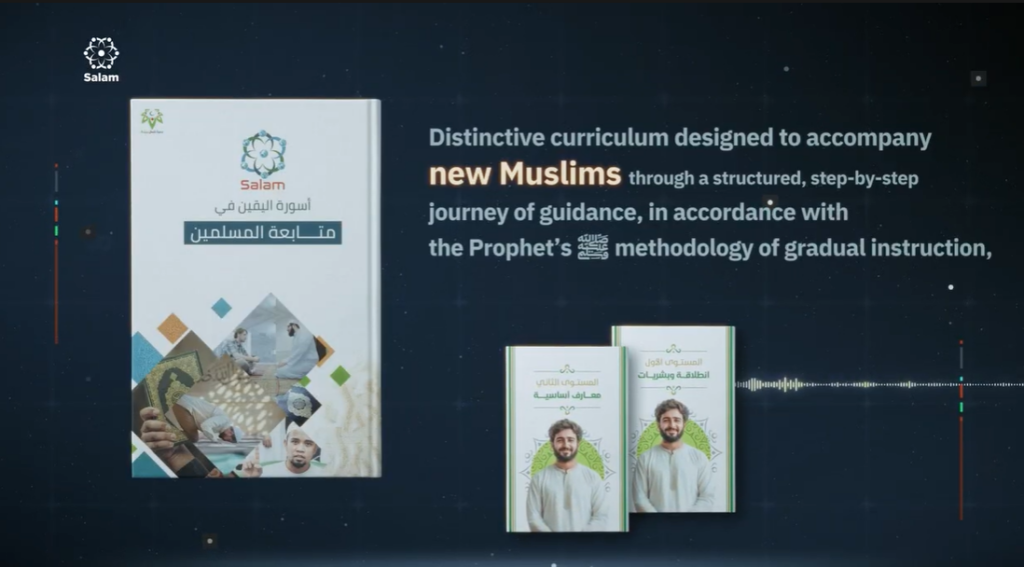
For those who have already taken their shahada and are looking for structured, compassionate next steps, the Asawirat Al-Yaqeen (Bracelets of Certainty) program offers:
- A four-stage learning journey moving from foundational knowledge to deeper understanding
- Practical guidance on prayer, purification, and daily worship from day one
- Lessons on the life of Prophet Muhammad (PBUH) and the six pillars of faith
- A supportive, judgment-free space designed specifically for new Muslims
Reach out directly to the Salam Center team to start the Asawirat Al-Yaqeen (Bracelets of Certainty) program for FREE.
Summary
The Quran forbids pork consumption across four separate verses, describing swine flesh as impure and pairing the prohibition with related rulings on proper slaughter and lawful food. This consistency across multiple surahs reflects the permanence Islamic scholars attribute to the ruling.
Authentic hadith from Sahih al-Bukhari and Sahih Muslim confirm and extend this prohibition to trade, while the Quran itself carves out a narrow, mercy-driven exception for genuine survival necessity — never for convenience or preference.
Frequently Asked Questions
Does the Quran mention pork by name?
Can Muslims eat pork under any circumstances?
Only under genuine, life-threatening necessity with no other food available, and strictly limited to the amount needed for survival, as stated in Quran 2:173.
Is selling pork also forbidden in Islam?
Yes. Sahih al-Bukhari 2236 and Sahih Muslim 1581a both record the Prophet (PBUH) forbidding the trade and sale of pork alongside wine and idols.
Why does the Quran call pork impure rather than just forbidden?
Quran 6:145 uses the term rijs (impure) specifically for swine flesh, a designation classical scholars like Ibn Kathir treat as distinct from other forbidden meats.
Curious about Islam?
Journey towards clarity and purpose. Our team is here to support you in your search for truth and spiritual guidance.
Embrace the Truth