
What Does the Quran Say About Life?
| Key Takeaways |
| The Quran states that Allah created human beings and jinn for the specific purpose of worship, as declared in Surah Adh-Dhariyat 51:56. |
| Worldly life is described in the Quran as a temporary test, not a final destination, with death and life both created to distinguish who does best in deeds. |
| Surah Ali ‘Imran 3:185 describes worldly life as “the enjoyment of delusion” when compared to the permanence of the Hereafter. |
| The Quran links every act of daily living, including prayer and even a person’s living and dying, directly to Allah in Surah Al-An’am 6:162. |
The Quran teaches that life is a divinely created test, given meaning through worship of Allah, with death marking the transition to eternal accountability. This is not a peripheral theme scattered across isolated verses.
It is a structuring idea that recurs from the earliest Meccan chapters to the longest Medinan ones. Surah Adh-Dhariyat states plainly that human beings and jinn were created to worship Allah.
Surah Al-Mulk states that death and life were both designed as a test of conduct. Surah Ali ‘Imran warns that the comforts of this world are fleeting compared to what follows it. Together, these verses form a coherent answer: life is neither random nor self-authored — it has a Giver, a purpose, and an endpoint that matters.
1. The Quran says life exists to worship Allah alone
Before examining specific verses, it helps to understand why this particular ayah is treated as foundational rather than incidental. Islamic scholarship across centuries has returned to it as the clearest single statement of human purpose in the entire Quran.
وَمَا خَلَقْتُ الْجِنَّ وَالْإِنسَ إِلَّا لِيَعْبُدُونِ
“And I did not create the jinn and mankind except to worship Me.” (Quran 51:56)
2. Death and life were created as a test of deeds
This verse addresses a question many seekers ask directly: why do people die at all, and why does death sometimes seem to arrive without warning or fairness? The Quran answers by tying death inseparably to the purpose of life itself, framing both as instruments of a single test rather than as separate events.
الَّذِي خَلَقَ الْمَوْتَ وَالْحَيَاةَ لِيَبْلُوَكُمْ أَيُّكُمْ أَحْسَنُ عَمَلًا ۚ وَهُوَ الْعَزِيزُ الْغَفُورُ
“[He] who created death and life to test you [as to] which of you is best in deed – and He is the Exalted in Might, the Forgiving.” (Quran 67:2)
3. The Quran says worldly life is a fleeting enjoyment of delusion
New Muslims often ask how to relate to ambition, wealth, and comfort once they enter Islam. This verse doesn’t dismiss the world as evil.
كُلُّ نَفْسٍ ذَائِقَةُ الْمَوْتِ ۗ وَإِنَّمَا تُوَفَّوْنَ أُجُورَكُمْ يَوْمَ الْقِيَامَةِ ۖ فَمَن زُحْزِحَ عَنِ النَّارِ وَأُدْخِلَ الْجَنَّةَ فَقَدْ فَازَ ۗ وَمَا الْحَيَاةُ الدُّنْيَا إِلَّا مَتَاعُ الْغُرُورِ
“Every soul will taste death, and you will only be given your [full] compensation on the Day of Resurrection. So he who is drawn away from the Fire and admitted to Paradise has attained [his desire]. And what is the life of this world except the enjoyment of delusion.” (Quran 3:185)
It reframes worldly pleasure as temporary and easily mistaken for something permanent, which is precisely what makes it deceptive if pursued without a higher aim in view.
Learn More About Islam
Discover the beauty, teachings, and wisdom of Islam in a clear and welcoming way. Start exploring and deepen your understanding today.
Learn More4. A believer’s living and dying belong to Allah entirely
This verse moves beyond describing life’s purpose in the abstract and gives the believer a personal script — words attributed to Prophet Ibrahim (peace be upon him) and later commanded to Prophet Muhammad (PBUH) to declare. It collapses the distinction between “religious acts” and “ordinary living,” placing both under the same intention.
قُلْ إِنَّ صَلَاتِي وَنُسُكِي وَمَحْيَايَ وَمَمَاتِي لِلَّهِ رَبِّ الْعَالَمِينَ
“Say, ‘Indeed, my prayer, my rites of sacrifice, my living and my dying are for Allah, Lord of the worlds.'” (Quran 6:162)
This verse is central to understanding how Islam views the nature of God — not as a distant force, but as the One to whom every dimension of existence is directed.
5. The Quran compares worldly life to rain-fed plants that wither
This is one of the Quran’s most detailed parables of life, and it appears in two separate surahs with nearly identical imagery — a repetition that classical commentators note reinforces its importance.
اعْلَمُوا أَنَّمَا الْحَيَاةُ الدُّنْيَا لَعِبٌ وَلَهْوٌ وَزِينَةٌ وَتَفَاخُرٌ بَيْنَكُمْ وَتَكَاثُرٌ فِي الْأَمْوَالِ وَالْأَوْلَادِ ۖ كَمَثَلِ غَيْثٍ أَعْجَبَ الْكُفَّارَ نَبَاتُهُ ثُمَّ يَهِيجُ فَتَرَاهُ مُصْفَرًّا ثُمَّ يَكُونُ حُطَامًا ۖ وَفِي الْآخِرَةِ عَذَابٌ شَدِيدٌ وَمَغْفِرَةٌ مِّنَ اللَّهِ وَرِضْوَانٌ ۚ وَمَا الْحَيَاةُ الدُّنْيَا إِلَّا مَتَاعُ الْغُرُورِ
“Know that the life of this world is but amusement and diversion and adornment and boasting to one another and competition in increase of wealth and children – like the example of a rain whose [resulting] plant growth pleases the tillers; then it dries and you see it turned yellow; then it becomes [scattered] debris. And in the Hereafter is severe punishment and forgiveness from Allah and approval. And what is the worldly life except the enjoyment of delusion..” (Quran 57:20)
The verse doesn’t stop at the metaphor. It closes by naming what actually matters instead — forgiveness from Allah — which keeps the parable from reading as pure pessimism about existence.
6. The Quran repeats the image of rain and vegetation for life
Surah Al-Kahf offers a shorter version of the same comparison, addressed directly to Prophet Muhammad (PBUH) as something to present to people rather than simply state.
وَاضْرِبْ لَهُم مَّثَلَ الْحَيَاةِ الدُّنْيَا كَمَاءٍ أَنزَلْنَاهُ مِنَ السَّمَاءِ فَاخْتَلَطَ بِهِ نَبَاتُ الْأَرْضِ فَأَصْبَحَ هَشِيمًا تَذْرُوهُ الرِّيَاحُ ۗ وَكَانَ اللَّهُ عَلَىٰ كُلِّ شَيْءٍ مُّقْتَدِرًا
“And present to them the example of the life of this world, [its being] like rain which We send down from the sky, and the vegetation of the earth mingles with it and [then] it becomes dry remnants, scattered by the winds. And Allah is ever, over all things, Perfect in Ability.” (Quran 18:45)
The repetition of this specific parable across two surahs is not redundancy — it is emphasis, a common feature of Quranic rhetoric when a truth is considered essential for the listener to internalize.
Read Also: Quran vs Bible: Comparing Their Origin, Preservation, and Message
7. The Quran calls worldly life mere play compared to the real life to come
Where the previous verses use agricultural imagery, this one states the comparison directly, without a metaphor, and introduces a distinct Quranic term for what “real” life actually means.
وَمَا هَٰذِهِ الْحَيَاةُ الدُّنْيَا إِلَّا لَهْوٌ وَلَعِبٌ ۚ وَإِنَّ الدَّارَ الْآخِرَةَ لَهِيَ الْحَيَوَانُ ۚ لَوْ كَانُوا يَعْلَمُونَ
“And this worldly life is not but diversion and amusement. And indeed, the home of the Hereafter — that is the [eternal] life, if only they knew.” (Quran 29:64)
The Arabic word used here for “life” in reference to the Hereafter — al-hayawan — is notably not the ordinary word for life used elsewhere in the Quran, a linguistic detail that classical exegetes point to as signaling a different, higher order of existence altogether.
Read Also: What Does the Quran Say About Love and Relationships?
8. The Quran describes human life as beginning with a deliberate test in the womb
This verse shifts from describing life in general terms to describing the origin of an individual human life, tying biological creation directly to the purpose of testing introduced earlier in Surah Al-Mulk.
إِنَّا خَلَقْنَا الْإِنسَانَ مِن نُّطْفَةٍ أَمْشَاجٍ نَّبْتَلِيهِ فَجَعَلْنَاهُ سَمِيعًا بَصِيرًا
“Indeed, We created man from a sperm-drop mixture that We may try him; and We made him hearing and seeing.” (Quran 76:2)
This verse is frequently cited alongside discussions of how does Islam view the nature of God, since it presents Allah as personally involved in the formation of every individual life, down to the senses a person is given, rather than as a distant originator of the universe alone.
Read Also: Does the Quran Say Muhammad (PBUH) Was the First Muslim?
9. Reflecting on creation reveals that life has intentional design
The final verses in this sequence shift from declaration to invitation. Rather than simply stating that life has purpose, the Quran calls the reader to observe the natural world directly and draw the conclusion for themselves — a method consistent with the Quran’s broader appeal to reason alongside revelation.
إِنَّ فِي خَلْقِ السَّمَاوَاتِ وَالْأَرْضِ وَاخْتِلَافِ اللَّيْلِ وَالنَّهَارِ لَآيَاتٍ لِّأُولِي الْأَلْبَابِ
“Indeed, in the creation of the heavens and the earth and the alternation of the night and the day are signs for those of understanding.” (Quran 3:190)
الَّذِينَ يَذْكُرُونَ اللَّهَ قِيَامًا وَقُعُودًا وَعَلَىٰ جُنُوبِهِمْ وَيَتَفَكَّرُونَ فِي خَلْقِ السَّمَاوَاتِ وَالْأَرْضِ رَبَّنَا مَا خَلَقْتَ هَٰذَا بَاطِلًا سُبْحَانَكَ فَقِنَا عَذَابَ النَّارِ
“Who remember Allah while standing or sitting or [lying] on their sides and give thought to the creation of the heavens and the earth, [saying], ‘Our Lord, You did not create this aimlessly; exalted are You [above such a thing]; then protect us from the punishment of the Fire.'” (Quran 3:191)
A’ishah (may Allah be pleased with her) narrated that the Prophet (PBUH) once woke in the night, wept in prayer, and recited this very verse — a moment recorded in the authenticated hadith literature and referenced by commentators when explaining why reflection on creation carries such weight in Islamic spirituality.
Read Also: What Does the Quran Say About Lying?
Learn More About Islam
Discover the beauty, teachings, and wisdom of Islam in a clear and welcoming way. Start exploring and deepen your understanding today.
Learn MoreBegin Your Own Journey Toward Yaqeen With Salam
These verses raise questions that deserve more than a single article can hold.
Explore more reflections and evidence-based answers on the Salam blog.
Browse the full range of topics on the Salam Platform.
Have a specific question about faith, the Quran, or entering Islam? Reach out directly — a real person from our team will respond.

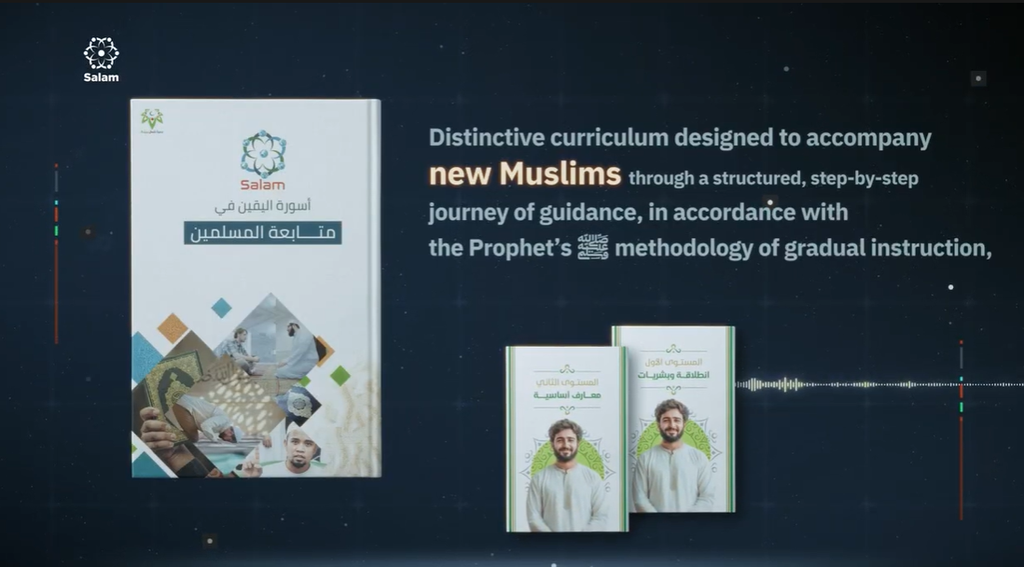
For those who have already taken their shahada and are seeking structured guidance, the Salam Center team offers the Asawirat Al-Yaqeen (Bracelets of Certainty) program — a four-stage curriculum built specifically for new Muslims:
- Stage One covers the foundations of faith, the Shahada, and the basics of prayer and purification
- Stage Two addresses repentance and the life of Prophet Muhammad (PBUH)
- Stage Three focuses on character, etiquette, and practical daily rulings
- Stage Four addresses deeper theological questions and a life framework rooted in Surah Al-Asr
Reach out directly to the Salam Center team to start the Asawirat Al-Yaqeen (Bracelets of Certainty) program for FREE.
Summary
The Quran’s treatment of life centers on a single claim repeated in different forms: existence is intentional, worship gives it direction, and this world’s comforts are real but temporary compared to what follows death.
Reflection on creation, as commanded in Surah Ali ‘Imran, turns this claim from an abstract doctrine into something a person can verify through their own observation of the natural world.
Every verse examined here points toward the same conclusion from a different angle, whether addressing death, daily conduct, or the created universe itself. Recognizing this pattern is often the first step for a sincere seeker moving from curiosity about Islam toward genuine conviction and Yaqeen.
Frequently Asked Questions
Does the Quran say life has a purpose?
Yes. Quran 51:56 states that Allah created jinn and mankind specifically to worship Him, making worship — not wealth, status, or pleasure — the stated purpose of human existence according to Islamic teaching.
What does the Quran say about the meaning of death?
The Quran describes death as a deliberate part of a test, not an accident or an ending. Quran 67:2 states that Allah “created death and life” together to determine who performs the best deeds, framing death as the moment that test concludes.
Does the Quran say worldly life is unimportant?
Not unimportant, but temporary and secondary to the Hereafter. Quran 3:185 calls worldly life “the enjoyment of delusion” when weighed against eternal life, urging believers to hold worldly pursuits with perspective rather than reject them outright.
Curious about Islam?
Journey towards clarity and purpose. Our team is here to support you in your search for truth and spiritual guidance.
Embrace the Truth