
Jinn in Quran
| Key Takeaways |
| The Quran confirms jinn as a real, separate creation made from smokeless fire, distinct from angels and humans. |
| Surah Al-Jinn (72) records a group of jinn listening to the Quran and accepting Islam after hearing it recited. |
| Allah states in Quran 51:56 that jinn and mankind share the same purpose: worship of Allah alone. |
| Jinn possess free will, moral accountability, and will be judged on the Day of Resurrection alongside humans. |
| Iblis, who refused to prostrate to Adam, was a jinn — not a fallen angel, according to Quran 18:50. |
| Belief in the unseen (al-ghayb), including jinn, is a core part of faith in Islam. |
The Quran affirms that jinn are a real, unseen creation made by Allah from smokeless fire, possessing free will and moral responsibility just as humans do. An entire chapter — Surah Al-Jinn — is named after them, describing a group who heard the Quran recited and immediately recognized it as truth.
The Quran teaches that jinn were created before humankind, that they inhabit a world parallel to our own, and that among them are believers and disbelievers, just as among people.
The word jinn itself comes from the Arabic root meaning “to conceal” or “hidden from sight,” which explains why they are described as beings normally invisible to human eyes.
1. The Quran states that Allah created jinn from a smokeless, scorching fire
Before the creation of Adam, Allah brought jinn into existence from an element entirely different from human clay — a searing, smokeless flame.
This verse establishes the physical origin of jinn as fire-based beings, in contrast to humanity’s origin from clay and angels’ origin from light, a distinction affirmed in an authentic hadith recorded by Sahih Muslim.
The order of creation matters here too: jinn preceded humans, meaning the unseen world existed before Adam ever walked the earth.
وَالْجَانَّ خَلَقْنَاهُ مِن قَبْلُ مِن نَّارِ السَّمُومِ
“And the jinn We created before from scorching fire.” (Quran 15:27)
2. A group of jinn listened to the Quran and called it amazing
The Prophet Muhammad (PBUH) was reciting the Quran when a group of jinn passed by, stopped, and listened without his initial awareness.
Their reaction — recorded in their own words within the Quran itself — was immediate astonishment at the beauty and truth of what they heard.
This event marks the opening of Surah Al-Jinn and demonstrates that the Quran’s message was never limited to the human audience; it addressed the unseen world as directly as it addressed the Quraysh of Makkah.
قُلْ أُوحِيَ إِلَيَّ أَنَّهُ اسْتَمَعَ نَفَرٌ مِّنَ الْجِنِّ فَقَالُوا إِنَّا سَمِعْنَا قُرْآنًا عَجَبًا
“Say, [O Muhammad], ‘It has been revealed to me that a group of the jinn listened and said, “Indeed, we have heard an amazing Qur’an.”‘” (Quran 72:1)
3. A second gathering of jinn heard the Quran and returned as warners
In Surah Al-Ahqaf, the Quran narrates another encounter: Allah directed a group of jinn toward the Prophet’s recitation, and upon hearing it, they urged each other into silent attention.
When the recitation ended, they did not simply disperse — they returned to their own people as warners, carrying the message forward exactly as human believers are commanded to do.
This verse shows jinn functioning as active agents of da’wah within their own communities, mirroring the human obligation to convey truth once received.
وَإِذْ صَرَفْنَا إِلَيْكَ نَفَرًا مِّنَ الْجِنِّ يَسْتَمِعُونَ الْقُرْآنَ فَلَمَّا حَضَرُوهُ قَالُوا أَنصِتُوا ۖ فَلَمَّا قُضِيَ وَلَّوْا إِلَىٰ قَوْمِهِم مُّنذِرِينَ
“And [mention, O Muhammad], when We directed to you a few of the jinn, listening to the Qur’an. And when they attended it, they said, ‘Listen quietly.’ And when it was concluded, they went back to their people as warners.” (Quran 46:29)
Learn More About Islam
Discover the beauty, teachings, and wisdom of Islam in a clear and welcoming way. Start exploring and deepen your understanding today.
Learn More4. Allah created jinn and mankind for one shared purpose
This verse cuts through any ambiguity about why jinn exist at all. Their creation was not incidental or ornamental — it mirrors humanity’s own purpose precisely: worship of Allah alone, without partners.
This single verse dismantles the notion that jinn occupy some morally neutral or purely mischievous role in creation; instead, they are moral agents bound by the same fundamental obligation as people, tied directly to the Islamic understanding of the nature of God as the sole rightful object of worship.
وَمَا خَلَقْتُ الْجِنَّ وَالْإِنسَ إِلَّا لِيَعْبُدُونِ
“And I did not create the jinn and mankind except to worship Me.” (Quran 51:56)
5. Jinn and mankind will stand together on the Day of Judgment
On the Day of Resurrection, Allah will address jinn and humans as one unified audience, asking whether messengers came to warn them of this very meeting.
Their honest, damning response — “we bear witness against ourselves” — confirms that jinn, like people, received guidance and will be held to account for what they did with it.
This shared accountability is central to understanding faith in Islam as a matter that extends beyond the visible human world.
يَا مَعْشَرَ الْجِنِّ وَالْإِنسِ أَلَمْ يَأْتِكُمْ رُسُلٌ مِّنكُمْ يَقُصُّونَ عَلَيْكُمْ آيَاتِي وَيُنذِرُونَكُمْ لِقَاءَ يَوْمِكُمْ هَٰذَا ۚ قَالُوا شَهِدْنَا عَلَىٰ أَنفُسِنَا
“‘O company of jinn and mankind, did there not come to you messengers from among you, relating to you My verses and warning you of the meeting of this Day of yours?’ They will say, ‘We bear witness against ourselves.'” (Quran 6:130)
Read Also: The Story of Prophet Joseph in Islam According to the Quran
Are jinn and angels the same creation in Islam?
No — the Quran and authentic Sunnah draw a firm distinction between jinn and angels, and conflating the two is one of the most common misconceptions among new readers of Islamic texts.
Angels are created purely from light, possess no free will, and never disobey Allah’s commands. Jinn, by contrast, are created from fire and possess free will identical in kind to humanity’s — they choose, they sin, they repent, and they will be judged.
This is precisely why Iblis, who refused Allah’s command to prostrate before Adam, is identified in the Quran as having been “of the jinn,” not an angel who fell from grace, a detail scholars of tafsir such as Ibn Kathir highlight when explaining the account in Surah Al-Kahf.
Understanding this distinction matters for a coherent grasp of what Muslims believe about the Quran as a text that describes an ordered, purposeful unseen realm rather than a vague spiritual haze.
Each category of creation — angels, jinn, and humans — has a defined nature, a defined capacity, and a defined relationship to obedience.
Read Also: Prophets in the Quran
Do jinn have free will like humans?
Yes — jinn possess free will, moral responsibility, and the capacity for both belief and disbelief, exactly as humans do.
This is evident throughout Surah Al-Jinn, where the jinn who heard the Quran describe divisions within their own community: some among them submitted to Allah, while others remained upon injustice.
Read Also: The Story of Abraham Sacrificing His Son in the Quran
Learn More About Islam
Discover the beauty, teachings, and wisdom of Islam in a clear and welcoming way. Start exploring and deepen your understanding today.
Learn MoreDiscover More About Faith, Certainty, and the Journey to Islam
Curious about how belief in the unseen fits into the wider structure of Islamic faith?
Explore more on the Salam Platform
Read further reflections on the Salam blog
Have a specific question about jinn, the Quran, or Islamic belief?
Reach out directly — our team is ready to listen, guide, and welcome you.

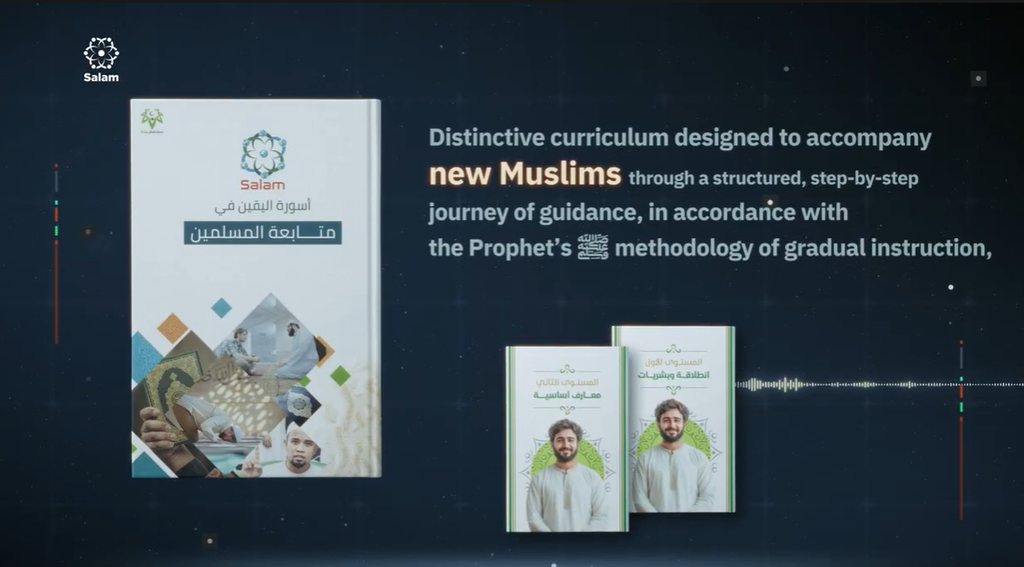
Thinking about entering Islam, or already a new Muslim looking for structured next steps? The Salam Center offers Asawirat Al-Yaqeen (Bracelets of Certainty), a guided four-stage program built for exactly this stage of the journey:
- Stage One lays the foundation — Shahada, prayer, and the core pillars
- Stage Two builds through repentance and the life of the Prophet (PBUH)
- Stage Three consolidates character, etiquette, and daily life rulings
- Stage Four empowers you to engage confidently with contemporary questions
General inquiries and personal guidance are always welcome — just reach out.
Reach out directly to the Salam Center team to start the Asawirat Al-Yaqeen (Bracelets of Certainty) program for FREE.
Summary
The Quran presents jinn as a real, documented creation formed from smokeless fire, sharing free will and moral accountability with humankind while remaining normally unseen to human eyes.
Surah Al-Jinn and related verses confirm that some jinn embraced faith upon hearing the Quran recited, reinforcing that belief in the unseen strengthens rather than complicates a coherent Islamic worldview.
Frequently Asked Questions
What is a jinn in Islam?
A jinn is a being Allah created from smokeless fire, possessing free will and moral accountability like humans, but normally unseen. The Quran describes jinn as capable of belief, disbelief, and judgment on the Day of Resurrection (Quran 15:27; Quran 51:56).
Is Iblis (Satan) a jinn or a fallen angel?
Iblis is identified in the Quran as being of the jinn, not an angel, which explains why he alone among the beings commanded to prostrate before Adam was capable of refusing — angels cannot disobey Allah.
Can jinn possess or harm humans?
Islamic scholarship, drawing on Quran and authenticated hadith, acknowledges that jinn can interact with the human world in limited ways permitted by Allah, though this is a secondary topic addressed more fully through Sunnah than through the Quran’s direct verses on jinn’s nature and purpose.
Do all jinn disbelieve in Allah?
No. Surah Al-Jinn quotes a group of jinn themselves stating that some among them are righteous believers while others are wrongdoers, mirroring the same moral diversity found among human beings.
Will jinn be judged on the Day of Judgment?
Yes. Quran 6:130 describes Allah addressing “the company of jinn and mankind” together on Judgment Day, confirming both creations received messengers and will be held accountable for their response to guidance.
Curious about Islam?
Journey towards clarity and purpose. Our team is here to support you in your search for truth and spiritual guidance.
Embrace the Truth