
The Story of Prophet Joseph in Islam According to the Quran
| Key Takeaways |
| The story of Joseph in Islam appears in full in Surah Yusuf, the only chapter of the Quran devoted entirely to a single narrative. |
| Allah describes the account as “the best of stories” (Quran 12:3), a phrase that shapes how Muslims approach the surah’s meaning. |
| Prophet Joseph endured betrayal by his own brothers, false accusation, and years of imprisonment before rising to a position of authority in Egypt. |
| The Quranic narrative emphasizes patience (sabr), trust in Allah’s plan, and forgiveness as its central moral threads. |
The story of Joseph appears in the Quran — in remarkable, unbroken detail, across an entire surah named after him. Surah Yusuf, the twelfth chapter of the Quran, tells his life from a childhood dream through decades of trial to eventual triumph, and it does so as a single continuous narrative rather than scattered references, which is unusual for the Quran’s storytelling style.
Allah introduces it directly:
“We relate to you, [O Muhammad], the best of stories in what We have revealed to you of this Qur’an” (Quran 12:3).
For anyone asking what Islam teaches about Joseph, or how his story compares to the version found in Genesis, this surah is the primary and most complete source.
1. The dream that began Joseph’s story in the Quran
Joseph’s story opens not with an event but with a vision — a young boy’s dream so vivid that his father immediately understood its weight. Jacob’s protective response to that dream sets the tone for everything that follows, revealing a father who already sensed the envy simmering among his other sons.
قَالَ يَا بُنَيَّ لَا تَقْصُصْ رُؤْيَاكَ عَلَىٰ إِخْوَتِكَ فَيَكِيدُوا لَكَ كَيْدًا ۖ إِنَّ الشَّيْطَانَ لِلْإِنسَانِ عَدُوٌّ مُّبِينٌ
“He said, “O my son, do not relate your vision to your brothers or they will contrive against you a plan.” (Quran 12:5)
Joseph had seen eleven stars, the sun, and the moon prostrating to him — a dream later fulfilled when his parents and brothers finally reunited with him in Egypt.
Jacob recognized this as no ordinary dream and warned Joseph to keep it hidden, understanding instinctively that Satan works through human jealousy.
2. Brotherly envy leads to betrayal at the well
What began as sibling rivalry escalated into something far darker. The brothers’ jealousy over their father’s love for Joseph pushed them toward a plot that nearly ended his life before it began.
لَّقَدْ كَانَ فِي يُوسُفَ وَإِخْوَتِهِ آيَاتٌ لِّلسَّائِلِينَ ﴿٧﴾ إِذْ قَالُوا لَيُوسُفُ وَأَخُوهُ أَحَبُّ إِلَىٰ أَبِينَا مِنَّا وَنَحْنُ عُصْبَةٌ إِنَّ أَبَانَا لَفِي ضَلَالٍ مُّبِينٍ ﴿٨﴾ اقْتُلُوا يُوسُفَ أَوِ اطْرَحُوهُ أَرْضًا يَخْلُ لَكُمْ وَجْهُ أَبِيكُمْ وَتَكُونُوا مِن بَعْدِهِ قَوْمًا صَالِحِينَ ﴿٩﴾ قَالَ قَائِلٌ مِّنْهُمْ لَا تَقْتُلُوا يُوسُفَ وَأَلْقُوهُ فِي غَيَابَتِ الْجُبِّ يَلْتَقِطْهُ بَعْضُ السَّيَّارَةِ إِن كُنتُمْ فَاعِلِينَ
“Certainly were there in Joseph and his brothers signs for those who ask, (7) When they said, “Joseph and his brother are more beloved to our father than we, while we are a clan. Indeed, our father is in clear error. (8) Kill Joseph or cast him out to [another] land; the countenance of your father will [then] be only for you, and you will be after that a righteous people.” (9) Said a speaker among them, “Do not kill Joseph but throw him into the bottom of the well; some travelers will pick him up – if you would do [something].”” (Quran 12:7-10)
One brother’s conscience intervened before murder took place. He proposed casting Joseph into a well instead, reasoning that passing travelers would find him.
This moment of restraint changed the entire trajectory of the story — Joseph survived, was drawn up by a caravan, and sold into slavery in Egypt, arriving in the household of a man who would become his guardian and, eventually, the site of his greatest trial.
3. The temptation in the house of Al-Aziz
Years passed, and Joseph grew into a young man known for extraordinary beauty and unshakeable character. The wife of Al-Aziz, in whose house Joseph served, attempted to seduce him — and his refusal became one of the Quran’s clearest examples of taqwa (God-consciousness) under pressure.
وَرَاوَدَتْهُ الَّتِي هُوَ فِي بَيْتِهَا عَن نَّفْسِهِ وَغَلَّقَتِ الْأَبْوَابَ وَقَالَتْ هَيْتَ لَكَ ۚ قَالَ مَعَاذَ اللَّهِ ۖ إِنَّهُ رَبِّي أَحْسَنَ مَثْوَايَ
“And she, in whose house he was, sought to seduce him. She closed the doors and said, “Come, you.” He said, “[I seek] the refuge of Allah. Indeed, he is my master, who has made good my residence. Indeed, wrongdoers will not succeed.” (Quran 12:23)
The Quran does not soften the intensity of the temptation Joseph faced.
“And she certainly determined [to seduce] him, and he would have inclined to her had he not seen the proof of his Lord”
(Quran 12:24), the verse states plainly — before explaining that Allah’s protection, not mere willpower alone, is what preserved Joseph’s integrity.
This episode is frequently cited in discussions of how Islam views the nature of God as one who intervenes directly in the lives of the righteous.
4. False accusation of Joseph despite clear evidence
Caught fleeing the room, Joseph faced a scene engineered to make him appear guilty. A witness from the household proposed a simple physical test that would settle the matter of who was lying — and the test exonerated Joseph completely.
إِن كَانَ قَمِيصُهُ قُدَّ مِن قُبُلٍ فَصَدَقَتْ وَهُوَ مِنَ الْكَاذِبِينَ وَإِن كَانَ قَمِيصُهُ قُدَّ مِن دُبُرٍ فَكَذَبَتْ وَهُوَ مِنَ الصَّادِقِينَ
“If his shirt is torn from the front, then she has told the truth, and he is of the liars. But if his shirt is torn from the back, then she has lied, and he is of the truthful.” (Quran 12:26-27)
The shirt was torn from behind — physical proof that Joseph had been fleeing, not pursuing.
Yet despite this vindication, social pressure and the husband’s desire to avoid scandal led to Joseph’s imprisonment anyway, an injustice the Quran records without excusing.
Learn More About Islam
Discover the beauty, teachings, and wisdom of Islam in a clear and welcoming way. Start exploring and deepen your understanding today.
Learn More5. Joseph’s years in prison and interpreting dreams
Prison did not diminish Joseph’s character or his gift for interpretation. While incarcerated, Joseph used his time to call two fellow prisoners to the worship of Allah alone, before interpreting the dreams they brought to him.
يَا صَاحِبَيِ السِّجْنِ أَأَرْبَابٌ مُّتَفَرِّقُونَ خَيْرٌ أَمِ اللَّهُ الْوَاحِدُ الْقَهَّارُ ﴿٣٩﴾ مَا تَعْبُدُونَ مِن دُونِهِ إِلَّا أَسْمَاءً سَمَّيْتُمُوهَا أَنتُمْ وَآبَاؤُكُم مَّا أَنزَلَ اللَّهُ بِهَا مِن سُلْطَانٍ ۚ إِنِ الْحُكْمُ إِلَّا لِلَّهِ ۚ أَمَرَ أَلَّا تَعْبُدُوا إِلَّا إِيَّاهُ ۚ ذَٰلِكَ الدِّينُ الْقَيِّمُ وَلَٰكِنَّ أَكْثَرَ النَّاسِ لَا يَعْلَمُونَ ﴿٤٠﴾ يَا صَاحِبَيِ السِّجْنِ أَمَّا أَحَدُكُمَا فَيَسْقِي رَبَّهُ خَمْرًا ۖ وَأَمَّا الْآخَرُ فَيُصْلَبُ فَتَأْكُلُ الطَّيْرُ مِن رَّأْسِهِ ۚ قُضِيَ الْأَمْرُ الَّذِي فِيهِ تَسْتَفْتِيَانِ ﴿٤١﴾ وَقَالَ لِلَّذِي ظَنَّ أَنَّهُ نَاجٍ مِّنْهُمَا اذْكُرْنِي عِندَ رَبِّكَ فَأَنسَاهُ الشَّيْطَانُ ذِكْرَ رَبِّهِ فَلَبِثَ فِي السِّجْنِ بِضْعَ سِنِينَ
“O [my] two companions of prison, are separate lords better or Allah, the One, the Prevailing? (39) You worship not besides Him except [mere] names you have named them, you and your fathers, for which Allah has sent down no authority. Legislation is not but for Allah. He has commanded that you worship not except Him. That is the correct religion, but most of the people do not know. (40) O two companions of prison, as for one of you, he will give drink to his master of wine; but as for the other, he will be crucified, and the birds will eat from his head. The matter has been decreed about which you both inquire.” (41) And he said to the one whom he knew would go free, “Mention me before your master.” But Satan made him forget the mention [to] his master, and Joseph remained in prison several years.” (Quran 12:39-42)
The first verse stands as one of the Quran’s clearest statements on monotheism — Joseph, even while unjustly imprisoned, prioritized guiding others toward Tawheed over pleading his own case.
One of the two men was later released and would go on to remember Joseph’s skill at interpretation, though not immediately — the Quran notes Satan caused him to forget for a time, extending Joseph’s imprisonment by several more years.
6. The king’s dream opens the door to release Joseph
Egypt’s king experienced a troubling dream that none of his advisors could interpret — seven fat cows devoured by seven lean ones, seven green stalks of grain beside seven withered ones. The released prisoner finally remembered Joseph and sought him out for the interpretation that would eventually secure Joseph’s freedom.
وَقَالَ الَّذِي نَجَا مِنْهُمَا وَادَّكَرَ بَعْدَ أُمَّةٍ أَنَا أُنَبِّئُكُم بِتَأْوِيلِهِ فَأَرْسِلُونِ ﴿٤٥﴾ يُوسُفُ أَيُّهَا الصِّدِّيقُ أَفْتِنَا فِي سَبْعِ بَقَرَاتٍ سِمَانٍ يَأْكُلُهُنَّ سَبْعٌ عِجَافٌ وَسَبْعِ سُنبُلَاتٍ خُضْرٍ وَأُخَرَ يَابِسَاتٍ لَّعَلِّي أَرْجِعُ إِلَى النَّاسِ لَعَلَّهُمْ يَعْلَمُونَ
“But the one who was freed and remembered after a time said, “I will inform you of its interpretation, so send me forth.” (45) [He said], “Joseph, O man of truth, explain to us about seven fat cows eaten by seven [that were] lean, and seven green spikes [of grain] and others [that were] dry – that I may return to the people; perhaps they will know [about you].” (46).” (Quran 12:46)
Joseph interpreted the dream as a forewarning of seven years of abundance followed by seven years of famine, then offered practical guidance for how Egypt should prepare — storing grain during the years of plenty.
His wisdom impressed the king so thoroughly that he requested Joseph be brought before him personally.
Joseph, notably, refused to leave prison until his innocence in the earlier accusation was formally acknowledged, insisting on justice rather than simply accepting release.
7. Joseph rises to authority over Egypt’s stores
Vindicated and freed, Joseph was offered a position of significant trust. Rather than seeking wealth or status for their own sake, Joseph requested authority specifically over the management of Egypt’s resources, citing his own competence and trustworthiness.
وَقَالَ الْمَلِكُ ائْتُونِي بِهِ أَسْتَخْلِصْهُ لِنَفْسِي ۖ فَلَمَّا كَلَّمَهُ قَالَ إِنَّكَ الْيَوْمَ لَدَيْنَا مَكِينٌ أَمِينٌ ﴿٥٤﴾ قَالَ اجْعَلْنِي عَلَىٰ خَزَائِنِ الْأَرْضِ ۖ إِنِّي حَفِيظٌ عَلِيمٌ
“And the king said, “Bring him to me; I will appoint him exclusively for myself.” And when he spoke to him, he said, “Indeed, you are today established [in position] and trusted.” (54) [Joseph] said, “Appoint me over the storehouses of the land. Indeed, I will be a knowing guardian.”” (Quran 12:54-55)
This request reflects a principle found throughout the Islamic principles — that competence and honesty together qualify a person for responsibility, and that seeking a position to serve others justly is not the same as seeking power for personal gain.
Joseph’s management during the years of famine would go on to save not only Egypt but the surrounding regions, including his own family back in Canaan.
Learn More About Islam
Discover the beauty, teachings, and wisdom of Islam in a clear and welcoming way. Start exploring and deepen your understanding today.
Learn More8. Joseph’s brothers return unknowingly seeking grain from Joseph
Famine eventually drove Joseph’s brothers to Egypt in search of provisions, unaware that the powerful official distributing grain was the very brother they had cast into a well decades earlier. Joseph recognized them immediately, though they had no idea who stood before them, and he began orchestrating a series of tests to determine whether they had changed.
وَدَخَلَ إِخْوَةُ يُوسُفَ فَعَرَفَهُمْ وَهُمْ لَهُ مُنكِرُونَ
“And the brothers of Joseph came [seeking food], and they entered upon him; and he recognized them, but he was to them unknown.” (Quran 12:58)
Joseph asked about their family, learned his full brother Benjamin had remained behind with their father, and instructed the brothers to bring Benjamin on their next visit — setting in motion the final act of reconciliation that the rest of the surah unfolds.
10. Benjamin is kept back through a planted cup
To arrange time alone with his full brother, Joseph devised a plan involving a measure of the king hidden in Benjamin’s bag, allowing him to lawfully detain Benjamin under the pretext of theft. This engineered situation gave Joseph the opportunity to keep Benjamin close without revealing his own identity to the other brothers.
قَالُوا إِن يَسْرِقْ فَقَدْ سَرَقَ أَخٌ لَّهُ مِن قَبْلُ
“They said, “If he steals — a brother of his has stolen before.”” (Quran 12:77)
The brothers, still unaware they were speaking to Joseph, revealed lingering prejudice against him even in his absence — a detail that underscores how deeply the old resentment had lingered, even years later.
11. Jacob’s grief and unwavering hope in Allah
Back in Canaan, Jacob had spent years grieving the loss of Joseph, his eyes eventually clouding from constant weeping, yet his faith in Allah’s mercy never wavered. Even amid profound sorrow, Jacob’s response to his sons reveals a trust in Allah that never gave way to despair.
إِنَّمَا أَشْكُو بَثِّي وَحُزْنِي إِلَى اللَّهِ وَأَعْلَمُ مِنَ اللَّهِ مَا لَا تَعْلَمُونَ
“I only complain of my suffering and my grief to Allah, and I know from Allah that which you do not know.” (Quran 12:86)
This verse is often cited as a model for handling grief within Islamic spirituality — directing sorrow toward Allah rather than toward despair or complaint against creation, a distinction with real weight in how Muslims are taught to process loss.
Read Also: Jinn in Quran
12. Joseph reveals his identity and forgives his brothers
The moment of recognition finally arrived, and with it came one of the most striking examples of forgiveness recorded anywhere in scripture. Joseph chose not to seek revenge against the brothers who had once thrown him into a well, instead offering forgiveness without condition.
قَالَ لَا تَثْرِيبَ عَلَيْكُمُ الْيَوْمَ ۖ يَغْفِرُ اللَّهُ لَكُمْ ۖ وَهُوَ أَرْحَمُ الرَّاحِمِينَ
“He said, “No blame will there be upon you today. Allah will forgive you; and He is the most merciful of the merciful.”” (Quran 12:92)
Rather than dwelling on decades of wrongdoing, Joseph immediately redirected the moment toward Allah’s mercy — modeling forgiveness rooted not in forgetting the harm done, but in choosing not to let it define the relationship going forward.
Read Also: Dajjal in the Quran
13. Jacob regains his sight and the family reunites
Joseph sent his shirt ahead with instructions for it to be placed over his father’s face, and the miracle that followed confirmed everything Jacob had sensed from the very beginning of the story. Jacob’s restored sight upon smelling Joseph’s shirt closes the narrative arc that began with a dream Jacob once warned his son to keep hidden.
فَلَمَّا أَن جَاءَ الْبَشِيرُ أَلْقَاهُ عَلَىٰ وَجْهِهِ فَارْتَدَّ بَصِيرًا
“And when the bearer of good tidings arrived, he cast it over his face, and he returned [once again] seeing.” (Quran 12:96)
The family’s journey to Egypt and their reunion with Joseph fulfilled his original dream exactly as it had appeared decades earlier — his parents and eleven brothers prostrating before him, not out of worship, but as an ancient gesture of honor and respect.
Read Also: Prophets in the Quran
Prophet Muhammad affirmed Joseph’s exceptional beauty
Beyond the Quranic narrative itself, an authenticated hadith from the Isra and Mi’raj — the Night Journey — adds a striking detail to Joseph’s story. Prophet Muhammad (PBUH) personally encountered Joseph in the third heaven and described the extraordinary beauty Allah had granted him.
“(The gate) was opened for us and I saw Yusuf who had been given half of beauty.” (Sahih Muslim 164a)
Scholars have offered various explanations for this description, with many understanding it to mean Joseph possessed an extraordinary share of human beauty — a detail that complements, rather than distracts from, the Quran’s deeper emphasis on his character and patience.
Read Also: The Story of Abraham Sacrificing His Son in the Quran
Learn More About Islam
Discover the beauty, teachings, and wisdom of Islam in a clear and welcoming way. Start exploring and deepen your understanding today.
Learn MoreDiscover More About Prophets, Faith, Certainty, and the Journey to Islam
Joseph’s story is just one thread in the Quran’s rich tapestry of prophetic guidance. If it moved you, there’s more waiting.
Explore the Salam Platform for articles on faith, prophethood, and the foundations of belief.
Visit the Salam blog for reflections on the lives of the prophets and their lessons for today.
Curious about entering Islam, or ready to take the next step in your journey?
Reach out directly — our team is ready to listen, guide, and welcome you.

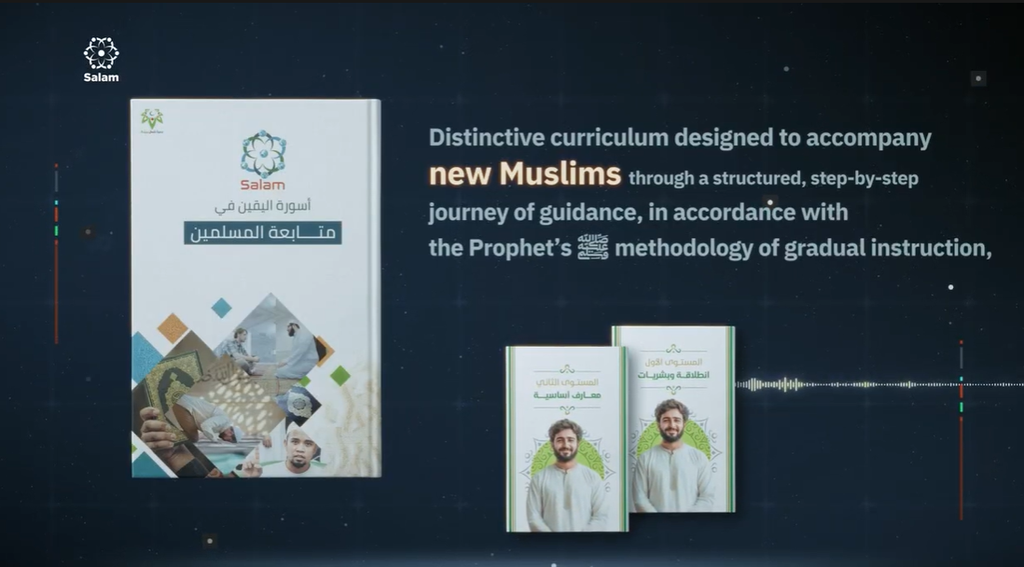
If you’re a new Muslim looking for structured guidance, the Salam Center team built the Asawirat Al-Yaqeen (Bracelets of Certainty) program specifically for you. It includes:
- A four-stage curriculum moving from foundational pillars to advanced theological grounding
- Practical rulings on prayer, purification, fasting, and daily life
- Deep study of the Prophet’s biography and the lives of earlier prophets like Joseph
- A supportive community walking the same path toward firm faith
Reach out directly to the Salam Center team to start the Asawirat Al-Yaqeen (Bracelets of Certainty) program for FREE.
Summary
Surah Yusuf tells Joseph’s complete journey from a childhood dream to unjust imprisonment, then to authority over Egypt’s resources, closing with reconciliation and his father’s restored sight. Each stage carries specific Quranic verses that anchor the narrative in revealed text rather than legend.
Patience, trust in Allah’s plan, and forgiveness toward those who wronged him define Joseph’s character throughout the account. His story continues to guide Muslims navigating hardship, offering a model rooted in faith rather than resignation or despair.
Frequently Asked Questions
Which surah tells the story of Joseph in the Quran?
Surah Yusuf (Chapter 12) tells the complete story of Joseph in one continuous narrative — the only chapter in the Quran dedicated entirely to a single prophet’s life story from beginning to end.
Why does Allah call Joseph’s story “the best of stories”?
The Quran uses this description in Quran 12:3 because the narrative combines every major theme of prophetic guidance — patience, temptation, injustice, forgiveness, and divine wisdom — within a single unified account.
Did Prophet Joseph ever sin with the wife of Al-Aziz?
No — Islamic theology holds that prophets are protected from major sins (ismah). The Quran states Joseph “would have inclined to her had he not seen the proof of his Lord” (Quran 12:24), meaning Allah’s protection preserved him from the act itself.
What is the main lesson of Joseph’s story for Muslims today?
The central lesson is that patience (sabr) combined with trust in Allah transforms even the deepest injustice into eventual triumph. Joseph’s journey from a well to a position of authority illustrates this principle throughout the surah.
Curious about Islam?
Journey towards clarity and purpose. Our team is here to support you in your search for truth and spiritual guidance.
Embrace the Truth