
What Does the Quran Say About Jews?
| Key Takeaways |
| The Quran addresses Bani Israel (the Children of Israel) across dozens of passages, covering their history, covenants, and relationship with the prophets sent to them. |
| Early Quranic verses describe Bani Israel as favored among the nations of their time, given prophethood, scripture, and deliverance from Pharaoh. |
| The Quran repeatedly describes broken covenants, and states that some among them altered scripture and rejected or killed prophets sent to guide them. |
| The Quran explicitly rejects any claim of exclusive salvation, stating in Surah Al-Baqarah 2:111 that entry to Paradise is not the privilege of any single group by name. |
| Surah Al-Imran 3:113 and Surah Al-A’raf 7:159 affirm that a righteous community existed among Bani Israel who held to truth and taught justice. |
Anyone asking what the Quran says about Jews will find the answer is not contained in a single verse or a single tone. The Quran refers to Bani Israel (Children of Israel) in dozens of passages spanning multiple surahs, and it addresses them across very different moments in history — their deliverance under Musa (Moses), their conduct toward the prophets sent to them, and their relationship with the early Muslim community in Madinah.
This matters because the Quran distinguishes between different groups and different eras. A verse describing the covenant given to Bani Israel in the time of Musa is not describing the same subject as a verse addressing political tensions in 7th-century Madinah.
1. The Quran Describes Bani Isra’il as Recipients of Divine Favor and Covenant
The Quran opens its treatment of Bani Israel with a note of honor, not condemnation. Allah states directly that this community was favored among the nations of their era — given prophets, scripture, and deliverance from oppression under Pharaoh.
يَا بَنِي إِسْرَائِيلَ اذْكُرُوا نِعْمَتِيَ الَّتِي أَنْعَمْتُ عَلَيْكُمْ وَأَنِّي فَضَّلْتُكُمْ عَلَى الْعَالَمِينَ
“O Children of Israel, remember My favor which I have bestowed upon you and that I preferred you over the worlds.” (Quran 2:47)
A second verse reinforces this, placed in the mouth of Musa himself addressing his people directly:
وَإِذْ قَالَ مُوسَىٰ لِقَوْمِهِ يَا قَوْمِ اذْكُرُوا نِعْمَةَ اللَّهِ عَلَيْكُمْ إِذْ جَعَلَ فِيكُمْ أَنبِيَاءَ وَجَعَلَكُم مُّلُوكًا وَآتَاكُم مَّا لَمْ يُؤْتِ أَحَدًا مِّنَ الْعَالَمِينَ
“And [mention] when Moses said to his people, ‘O my people, remember the favor of Allah upon you when He appointed among you prophets and made you possessors and gave you that which He had not given anyone among the worlds.'” (Quran 5:20)
These verses describe a specific historical community at a specific historical moment — Bani Israel under Musa’s leadership, favored with prophecy and deliverance.
Classical exegetes including Ibn Kathir read “favor over the worlds” as favor over the peoples of their own era, not a timeless or universal ranking above all nations forever.
This early honor sets up the weight of what follows: the Quran treats the subsequent breaking of covenants as a serious departure from a standard that had been generously set.
2. The Quran Says That Covenants Were Given to Jews And Then Repeatedly Broken
The Quran describes Allah taking a formal covenant (mithaq) from Bani Israel, laying out clear ethical and religious obligations.
وَإِذْ أَخَذْنَا مِيثَاقَ بَنِي إِسْرَائِيلَ لَا تَعْبُدُونَ إِلَّا اللَّهَ وَبِالْوَالِدَيْنِ إِحْسَانًا وَذِي الْقُرْبَىٰ وَالْيَتَامَىٰ وَالْمَسَاكِينِ
“And [recall] when We took the covenant from the Children of Israel, [enjoining upon them], ‘Do not worship except Allah; and to parents do good and to relatives, orphans, and the needy.'” (Quran 2:83)
The Quran then states that this covenant was broken, and describes the consequence in stark terms:
فَبِمَا نَقْضِهِم مِّيثَاقَهُمْ لَعَنَّاهُمْ وَجَعَلْنَا قُلُوبَهُمْ قَاسِيَةً يُحَرِّفُونَ الْكَلِمَ عَن مَّوَاضِعِهِ وَنَسُوا حَظًّا مِّمَّا ذُكِّرُوا بِهِ
“So for their breaking of the covenant We cursed them and made their hearts hard. They distort words from their [proper] usages and have forgotten a portion of that with which they were reminded.” (Quran 5:13)
A grammatical point matters here for accuracy. The Arabic construction “so for their breaking” (fa-bima naqdihim) ties the described consequence directly to the specific act of covenant-breaking — it is presented as cause and effect tied to that historical conduct, not as an unconditional or hereditary designation.
This is a standard reading among classical commentators and is worth stating plainly, since the verse is frequently quoted without its grammatical anchor.
Learn More About Islam
Discover the beauty, teachings, and wisdom of Islam in a clear and welcoming way. Start exploring and deepen your understanding today.
Learn More3. The Quran Describes Conflict With Some of The Prophets Sent to Jews
Among the more serious accusations in the Quran is that certain prophets sent to Bani Israel were rejected, and in some historical accounts, killed.
لَقَدْ أَخَذْنَا مِيثَاقَ بَنِي إِسْرَائِيلَ وَأَرْسَلْنَا إِلَيْهِمْ رُسُلًا كُلَّمَا جَاءَهُمْ رَسُولٌ بِمَا لَا تَهْوَىٰ أَنفُسُهُمْ فَرِيقًا كَذَّبُوا وَفَرِيقًا يَقْتُلُونَ
“We took the covenant of the Children of Israel and sent to them messengers. Whenever there came to them a messenger with what their souls did not desire, a party [of messengers] they denied, and another party they killed.” (Quran 5:70)
A second, related verse appears in Surah Al-Imran:
وَيَقْتُلُونَ الْأَنبِيَاءَ بِغَيْرِ حَقٍّ ذَٰلِكَ بِمَا عَصَوا وَّكَانُوا يَعْتَدُونَ
“And they killed the prophets without right. That is because they disobeyed and were transgressing.” (Quran 3:112)
The word “fariqan” — “a party” or “a group” — appears in both verses and is the operative qualifier. The text specifies particular groups engaged in this conduct at particular moments, rather than describing the entirety of Bani Israel across all generations.
Classical tafsir, including that of Al-Tabari, reads this as referring to specific historical incidents recorded in the Israelite tradition — not a claim that every individual, or even every generation, participated.
4. Some Jewish Religious Leaders Are Described in the Quran As Altering Scripture
The Quran distinguishes between the revealed text given to Bani Israel and the conduct of certain scribes and religious authorities among them, whom it accuses of textual distortion.
مِّنَ الَّذِينَ هَادُوا يُحَرِّفُونَ الْكَلِمَ عَن مَّوَاضِعِهِ
“Among the Jews are those who distort words from their [proper] usages.” (Quran 4:46)
A related verse addresses a specific practice of self-interested textual authorship:
فَوَيْلٌ لِّلَّذِينَ يَكْتُبُونَ الْكِتَابَ بِأَيْدِيهِمْ ثُمَّ يَقُولُونَ هَٰذَا مِنْ عِندِ اللَّهِ لِيَشْتَرُوا بِهِ ثَمَنًا قَلِيلًا
“So woe to those who write the scripture with their own hands, then say, ‘This is from Allah,’ in order to exchange it for a small price.” (Quran 2:79)
This connects to a broader Islamic belief discussed in what do Muslims believe about the Quran: that the Quran itself has been preserved without alteration.
For readers curious about the parallel Christian question, do Muslims believe the Bible addresses a related but separate textual claim.
5. Claims of Exclusive Salvation Are Directly Refuted in The Quran
One of the clearest moments of the Quran addressing Bani Israel is a direct refutation of any claim to exclusive religious privilege.
وَقَالَتِ الْيَهُودُ وَالنَّصَارَىٰ نَحْنُ أَبْنَاءُ اللَّهِ وَأَحِبَّاؤُهُ قُلْ فَلِمَ يُعَذِّبُكُم بِذُنُوبِكُم بَلْ أَنتُم بَشَرٌ مِّمَّنْ خَلَقَ
“The Jews and the Christians say, ‘We are the children of Allah and His beloved.’ Say, ‘Then why does He punish you for your sins?’ Rather, you are human beings from among those He has created.” (Quran 5:18)
A second verse extends this refutation to the specific claim of guaranteed Paradise:
وَقَالُوا لَن يَدْخُلَ الْجَنَّةَ إِلَّا مَن كَانَ هُودًا أَوْ نَصَارَىٰ تِلْكَ أَمَانِيُّهُمْ قُلْ هَاتُوا بُرْهَانَكُمْ إِن كُنتُمْ صَادِقِينَ
“And they say, ‘None will enter Paradise except one who is a Jew or a Christian.’ That is their wishful thinking. Say, ‘Produce your proof, if you should be truthful.'” (Quran 2:111)
This is a foundational point for understanding Islamic theology on salvation generally: the Quran rejects the idea that Paradise belongs automatically to any named religious group, including Muslims by ethnic or hereditary identity without actual belief.
Entry to Paradise is tied throughout the Quran to belief and righteous conduct, not to lineage or communal label alone. This principle is explored further in faith in Islam and the 9 principles of Islam.
Learn More About Islam
Discover the beauty, teachings, and wisdom of Islam in a clear and welcoming way. Start exploring and deepen your understanding today.
Learn More6. Jews’ Political Enmity Toward Muslims Is Described in The Quran
Several verses address hostility between the early Muslim community in Madinah and Jewish tribes of that specific period.
لَتَجِدَنَّ أَشَدَّ النَّاسِ عَدَاوَةً لِّلَّذِينَ آمَنُوا الْيَهُودَ وَالَّذِينَ أَشْرَكُوا
“You will surely find the most intense of the people in animosity toward the believers to be the Jews and those who associate others with Allah [in worship].” (Quran 5:82)
This verse, however, is followed almost immediately in the same passage by a contrasting statement about Christians described as nearer in affection to the believers — a juxtaposition that historically ties to specific political circumstances in Madinah, including the treaty relationships and conflicts recorded with named Jewish tribes of that city.
Read Also: Does the Quran Say Christians Go to Heaven?
7. Certain Jewish Economic Practices Are Criticized in the Quran
The Quran criticizes specific economic conduct attributed to some among Bani Israel, particularly the practice of usury (riba) despite its prohibition.
وَأَخْذِهِمُ الرِّبَا وَقَدْ نُهُوا عَنْهُ وَأَكْلِهِمْ أَمْوَالَ النَّاسِ بِالْبَاطِلِ وَأَعْتَدْنَا لِلْكَافِرِينَ مِنْهُمْ عَذَابًا أَلِيمًا
“And [for] their taking of usury while they had been forbidden from it, and their consuming of people’s wealth unjustly. And we have prepared for the disbelievers among them a painful punishment.” (Quran 4:161)
The closing phrase “al-kafirin minhum” — “the disbelievers among them” — is the qualifier controlling the punishment described. The verse specifies unjust economic conduct by particular disbelieving individuals, not an economic characterization of a whole people.
Riba itself is prohibited in Islamic law for Muslims as well, making this a verse about violating a shared ethical principle rather than describing an ethnic trait.
Read Also: What Does the Quran Say About Not Believing in Allah?
8. A Righteous Jewish Community Is Affirmed Within The Quran
This is the point in the discussion that determines whether a reading of these verses is accurate or distorted, and the Quran is unambiguous about it. Immediately after describing covenant-breaking and wrongdoing, the same surah affirms a distinct, righteous group among Bani Israel.
لَيْسُوا سَوَاءً مِّنْ أَهْلِ الْكِتَابِ أُمَّةٌ قَائِمَةٌ يَتْلُونَ آيَاتِ اللَّهِ آنَاءَ اللَّيْلِ وَهُمْ يَسْجُدُونَ
“They are not [all] the same; among the People of the Scripture is a community standing [in obedience], reciting the verses of Allah during periods of the night and prostrating [in prayer].” (Quran 3:113)
A parallel verse addresses the community of Musa specifically:
وَمِن قَوْمِ مُوسَىٰ أُمَّةٌ يَهْدُونَ بِالْحَقِّ وَبِهِ يَعْدِلُونَ
“And among the people of Moses is a community which guides by truth and thereby establishes justice.” (Quran 7:159)
A third, addressing learned scholars specifically:
لَّٰكِنِ الرَّاسِخُونَ فِي الْعِلْمِ مِنْهُمْ وَالْمُؤْمِنُونَ يُؤْمِنُونَ بِمَا أُنزِلَ إِلَيْكَ وَمَا أُنزِلَ مِن قَبْلِكَ
“But those firm in knowledge among them and the believers believe in what has been revealed to you, and what was revealed before you.” (Quran 4:162)
“Laysu sawa’an” — “they are not [all] the same” — is one of the most direct statements of internal differentiation anywhere in the Quran regarding any community. It functions as an explicit textual instruction against reading the preceding critical verses as a blanket judgment.
This principle of distinguishing individuals from groups runs throughout the Quran’s treatment of other religions and reflects a consistent standard: praise and criticism attach to conduct and belief, not to lineage.
Read Also: Does the Quran Say the Bible Is Changed?
Learn More About Islam
Discover the beauty, teachings, and wisdom of Islam in a clear and welcoming way. Start exploring and deepen your understanding today.
Learn MoreExplore More Authentic Knowledge About Islam & Quran with Salam
Sincere questions deserve sincere, evidence-based answers, and this topic is one many seekers ask about honestly. If this raised more questions than it answered, that’s a normal part of learning.
Browse the Salam blog for related topics
Reach out directly with specific questions

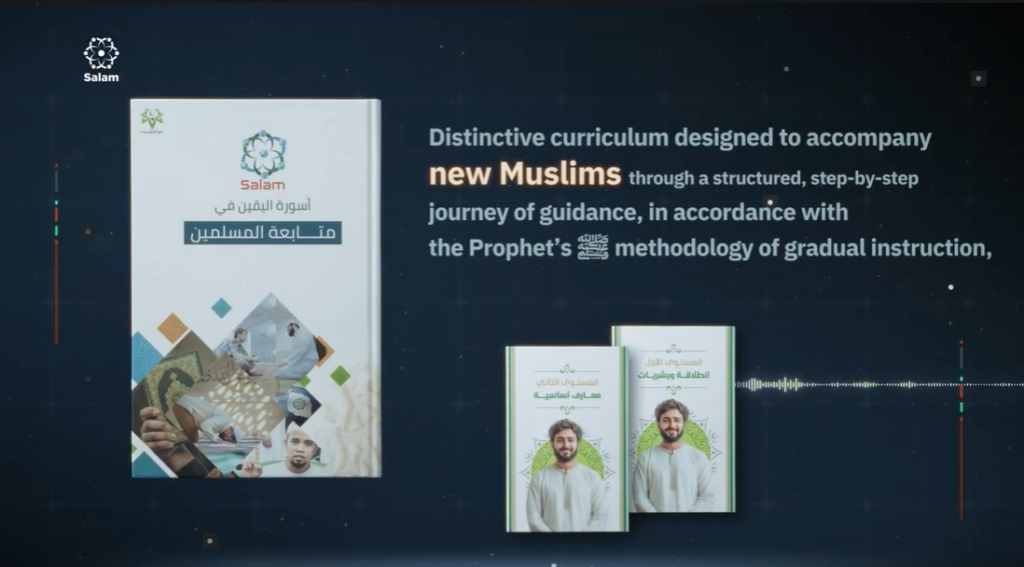
If you’re exploring Islam personally, or have already taken your shahada and want structured next steps, the Salam Center team offers the Asawirat Al-Yaqeen (Bracelets of Certainty) program — a four-stage guided curriculum for new Muslims covering:
- Foundational pillars of faith and practice
- The life and character of Prophet Muhammad (PBUH)
- Practical daily-life rulings and etiquette
- Deeper theological grounding for confident, lasting understanding
General inquiries, guidance on entering Islam, and program enrollment are all welcome through the same channel.
Reach out directly to the Salam Center team to start the Asawirat Al-Yaqeen (Bracelets of Certainty) program for FREE.
Summary
The Quran addresses Bani Israel through covenant, prophecy, and historical conduct, distinguishing consistently between wrongdoing by specific groups and the righteous community it explicitly affirms among them. Its verses on usury, covenant-breaking, and enmity attach to described conduct, not to hereditary identity.
Read in full context, the Quran’s treatment of this subject models exactly the kind of evidence-based, non-generalizing judgment it asks believers to apply everywhere else. That consistency is itself part of its claim to trustworthy guidance.
Frequently Asked Questions
What does the Quran say about Jewish prophets?
The Quran honors many prophets sent to Bani Israel, including Musa (Moses), Dawud (David), and Sulayman (Solomon), while also describing historical rejection of some prophets by specific groups, per Quran 5:70.
Are the Quran’s critical verses about Jews historically specific?
Many are. Verses like Quran 5:82 are read by classical scholars within the specific political context of 7th-century Madinah, not as a timeless statement disconnected from that history.
What does Islam teach about Bani Israel today?
Islam distinguishes between historical conduct described in scripture and individuals living today. The Quran’s standard, per Quran 3:113, is that people are judged by belief and conduct, never by lineage alone.
Curious about Islam?
Journey towards clarity and purpose. Our team is here to support you in your search for truth and spiritual guidance.
Embrace the Truth