
Quran Verses About Strength in Hard Times
Hardship is not a sign of abandonment in Islamic belief. It is woven into the very structure of the test of this worldly life, and the Quran addresses it directly, repeatedly, and with striking tenderness.
A person searching for Quran verses about strength in hard times will find that the Quran does not simply acknowledge suffering — it answers it, verse after verse, with concrete promises of divine support.
1. Allah never burdens a soul beyond what it can bear
Every difficulty a believer faces has already been measured against their capacity to endure it. This is not a vague comfort — it is a stated principle of divine justice found in the final verse of Surah Al-Baqarah, one of the most recited closing sections of the Quran.
لَا يُكَلِّفُ اللَّهُ نَفْسًا إِلَّا وُسْعَهَا
Lā yukallifu Allāhu nafsan illā wus’ahā
“Allah does not charge a soul except [with that within] its capacity.” (Quran 2:286)
This verse closes what scholars call the Khawatim al-Baqarah, the concluding verses of Surah Al-Baqarah, and it directly counters despair.
The trial a person is facing right now, however heavy it feels, has already been weighed by Allah against their actual strength. Nothing arrives by accident, and nothing arrives unbearable.
For readers exploring the wider framework behind this promise, understanding faith in Islam helps situate this verse within the larger relationship between a believer and Allah.
2. With every hardship there is ease that follows close behind
One of the most repeated reassurances in the entire Quran appears twice, back to back, in Surah Ash-Sharh — a deliberate repetition meant to settle any lingering doubt.
فَإِنَّ مَعَ الْعُسْرِ يُسْرًا . إِنَّ مَعَ الْعُسْرِ يُسْرًا
Fa-inna ma’a al-‘usri yusrā. Inna ma’a al-‘usri yusrā
“For indeed, with hardship [will be] ease. Indeed, with hardship [will be] ease.” (Quran 94:5-6)
This surah was revealed to comfort Prophet Muhammad (PBUH) during a period of intense difficulty early in his mission.
Classical commentators, including in the tafsir of Ibn Kathir, note that the phrasing places ease alongside hardship rather than simply after it — meaning relief is already bound to the trial, not a distant reward waiting somewhere down the road.
The double repetition functions almost like a spoken promise given twice for emphasis, the way a parent might repeat reassurance to a frightened child.
3. Seeking help through patience and prayer carries believers through crisis
Islam does not leave believers to face hardship with willpower alone. It provides two concrete tools, named explicitly in the Quran, for enduring what feels unbearable.
يَا أَيُّهَا الَّذِينَ آمَنُوا اسْتَعِينُوا بِالصَّبْرِ وَالصَّلَاةِ ۚ إِنَّ اللَّهَ مَعَ الصَّابِرِينَ
Yā ayyuhā alladhīna āmanū ista’īnū biṣ-ṣabri waṣ-ṣalāh, inna Allāha ma’a aṣ-ṣābirīn
“O you who have believed, seek help through patience and prayer. Indeed, Allah is with the patient.” (Quran 2:153)
Patience (sabr) in Islamic thought is not passive resignation. It is an active discipline that combines steadfastness with unwavering trust in Allah’s plan, and it is paired here with salah, the five daily prayers, as a practical mechanism for renewal.
Anyone building a foundation in the nine islam principles will notice that patience and prayer sit at the center of how Islam expects believers to respond to affliction, not at the margins.
Learn More About Islam
Discover the beauty, teachings, and wisdom of Islam in a clear and welcoming way. Start exploring and deepen your understanding today.
Learn More4. True believers refuse to weaken or grieve even after devastating loss
This verse was revealed after the Battle of Uhud, one of the most painful setbacks the early Muslim community experienced, when the Prophet’s companions had suffered real casualties and real fear.
وَلَا تَهِنُوا وَلَا تَحْزَنُوا وَأَنتُمُ الْأَعْلَوْنَ إِن كُنتُم مُّؤْمِنِينَ
Wa lā tahinū wa lā taḥzanū wa antumu al-a’lawna in kuntum mu’minīn
“So do not weaken and do not grieve, and you will be superior if you are [true] believers.” (Quran 3:139)
The command here is direct: grief is natural, but it must not be allowed to define a believer’s posture toward the future.
Real strength, the verse insists, is inseparable from genuine faith — the two rise and fall together.
This principle threads through the broader Islamic view of the nature of Allah as a Lord who remains close to His servants precisely during their weakest moments.
5. Hearts find lasting peace only through the remembrance of Allah
Modern life offers countless substitutes for peace — distraction, achievement, material comfort — yet the Quran locates real tranquility in a single, specific practice.
الَّذِينَ آمَنُوا وَتَطْمَئِنُّ قُلُوبُهُم بِذِكْرِ اللَّهِ ۗ أَلَا بِذِكْرِ اللَّهِ تَطْمَئِنُّ الْقُلُوبُ
Alladhīna āmanū wa taṭma’innu qulūbuhum bidhikri Allāh, alā bidhikri Allāhi taṭma’innu al-qulūb
“Those who have believed and whose hearts are assured by the remembrance of Allah. Unquestionably, by the remembrance of Allah hearts are assured.” (Quran 13:28)
The repetition of “remembrance of Allah” within a single verse is intentional emphasis, underlining that no other source — not wealth, not status, not human reassurance — produces the same stability in the heart.
Dhikr, the remembrance of Allah through supplication, recitation, and reflection, becomes a daily anchor precisely because hardship tends to unsettle everything else.
6. Every soul will be tested and Allah gives glad tidings to the patient
The Quran does not promise a life free of trial. It promises something more honest: that trial is universal, and patience through it carries real reward.
وَلَنَبْلُوَنَّكُم بِشَيْءٍ مِّنَ الْخَوْفِ وَالْجُوعِ وَنَقْصٍ مِّنَ الْأَمْوَالِ وَالْأَنفُسِ وَالثَّمَرَاتِ ۗ وَبَشِّرِ الصَّابِرِينَ
Wa lanabluwannakum bishay’in mina al-khawfi wal-jū’i wa naqṣin mina al-amwāli wal-anfusi wath-thamarāt, wa bashshiri aṣ-ṣābirīn
“And We will surely test you with something of fear and hunger and a loss of wealth and lives and fruits, but give good tidings to the patient.” (Quran 2:155)
This verse follows directly after the command to seek help through patience and prayer, forming a continuous passage that first names the reality of loss, then immediately promises reward for those who meet it with steadfastness.
Believers exploring why Muslims believe in the Quran often point to this kind of honest acknowledgment of suffering, paired with concrete hope, as part of what distinguishes the Quran’s approach to human pain.
7. Do not think you will enter Paradise without facing trials first
Many people assume that a life of faith should shield them from suffering. The Quran corrects this assumption directly, using the early Muslim community’s own hardship as proof that trial is part of the path itself, not a detour from it.
أَمْ حَسِبْتُمْ أَن تَدْخُلُوا الْجَنَّةَ وَلَمَّا يَأْتِكُم مَّثَلُ الَّذِينَ خَلَوْا مِن قَبْلِكُم ۖ مَّسَّتْهُمُ الْبَأْسَاءُ وَالضَّرَّاءُ وَزُلْزِلُوا حَتَّىٰ يَقُولَ الرَّسُولُ وَالَّذِينَ آمَنُوا مَعَهُ مَتَىٰ نَصْرُ اللَّهِ ۗ أَلَا إِنَّ نَصْرَ اللَّهِ قَرِيبٌ
Am ḥasibtum an tadkhulū al-jannata wa lammā ya’tikum mathalu alladhīna khalaw min qablikum, massat-humu al-ba’sā’u waḍ-ḍarrā’u wa zulzilū ḥattā yaqūla ar-rasūlu wa-alladhīna āmanū ma’ahu matā naṣru Allāh, alā inna naṣra Allāhi qarīb
“Or do you think that you will enter Paradise while such [trial] has not yet come to you as came to those who passed on before you? They were touched by poverty and hardship and were shaken until [even] the Messenger and those who believed with him said, ‘When is the help of Allah?’ Unquestionably, the help of Allah is near.” (Quran 2:214)
This verse names something rarely admitted openly: even the Prophet Muhammad (PBUH) and his companions reached a point where they cried out asking when relief would come. Their honesty is preserved in the Quran itself, and it closes not with rebuke but with certainty — Allah’s help is near.
8. Whoever puts their trust in Allah will find Him sufficient
Trust is not a passive feeling in Islamic theology. It is an active reliance, called tawakkul, that a believer places in Allah after doing everything within their own power.
وَمَن يَتَوَكَّلْ عَلَى اللَّهِ فَهُوَ حَسْبُهُ ۚ إِنَّ اللَّهَ بَالِغُ أَمْرِهِ
Wa man yatawakkal ‘alā Allāhi fahuwa ḥasbuh, inna Allāha bālighu amrih
“And whoever relies upon Allah – then He is sufficient for him. Indeed, Allah will accomplish His purpose.” (Quran 65:3)
This verse was revealed regarding a companion whose captured son was later returned to him along with unexpected provision.
Ibn Kathir’s tafsir notes that the surrounding verses promise relief arriving from directions a person could never have calculated on their own. This is the heart of tawakkul: effort paired with surrender, never one without the other.
9. Never lose hope in Allah’s mercy no matter how far you have gone
Few verses in scripture speak as directly to shame and regret as this one, spoken by Prophet Ya’qub (Jacob) to his sons after the loss of Yusuf (Joseph).
يَا بَنِيَّ اذْهَبُوا فَتَحَسَّسُوا مِن يُوسُفَ وَأَخِيهِ وَلَا تَيْأَسُوا مِن رَّوْحِ اللَّهِ ۖ إِنَّهُ لَا يَيْأَسُ مِن رَّوْحِ اللَّهِ إِلَّا الْقَوْمُ الْكَافِرُونَ
Yā baniyya idhhabū fataḥassasū min Yūsufa wa-akhīhi wa lā tay’asū min rawḥi Allāh, innahu lā yay’asu min rawḥi Allāhi illā al-qawmu al-kāfirūn
“O my sons, go and find out about Joseph and his brother and despair not of relief from Allah. Indeed, no one despairs of relief from Allah except the disbelieving people.” (Quran 12:87)
Ya’qub had already lost one son, feared for another, and wept until his eyesight weakened — yet he still commanded hope, not resignation.
Despair, according to this verse, is not merely unhelpful; it is placed alongside disbelief itself.
For those wrestling with grief, the story of Yusuf offers one of the Quran’s most sustained portraits of patience rewarded across years, not moments.
10. Allah forgives every sin no matter how great the transgression felt
Guilt can become its own form of suffering, sometimes heavier than the original hardship. This verse addresses that directly, using language of intimate closeness rather than distant judgment.
قُلْ يَا عِبَادِيَ الَّذِينَ أَسْرَفُوا عَلَىٰ أَنفُسِهِمْ لَا تَقْنَطُوا مِن رَّحْمَةِ اللَّهِ ۚ إِنَّ اللَّهَ يَغْفِرُ الذُّنُوبَ جَمِيعًا ۚ إِنَّهُ هُوَ الْغَفُورُ الرَّحِيمُ
Qul yā ‘ibādiya alladhīna asrafū ‘alā anfusihim lā taqnaṭū min raḥmati Allāh, inna Allāha yaghfiru adh-dhunūba jamī’an, innahu huwa al-ghafūru ar-raḥīm
“Say, ‘O My servants who have transgressed against themselves [by sinning], do not despair of the mercy of Allah. Indeed, Allah forgives all sins. Indeed, it is He who is the Forgiving, the Merciful.'” (Quran 39:53)
Allah refers to sinners here as “My servants,” not as outsiders or the abandoned. The verse promises forgiveness without qualification — “all sins” — which classical scholars note includes even shirk (associating partners with Allah) when followed by sincere repentance before death. This connects directly to the process of repentance and returning to Allah, a cornerstone teaching for anyone carrying the weight of past mistakes.
Read Also: What Does the Quran Say About Divorce?
11. Allah was with the Prophet in his most vulnerable moment
During the migration to Madinah, Prophet Muhammad (PBUH) and Abu Bakr hid from pursuing enemies in a cave, close enough that discovery seemed certain. What the Prophet said in that instant became a permanent lesson in trust.
إِذْ هُمَا فِي الْغَارِ إِذْ يَقُولُ لِصَاحِبِهِ لَا تَحْزَنْ إِنَّ اللَّهَ مَعَنَا
Idh humā fī al-ghāri idh yaqūlu liṣāḥibihi lā taḥzan inna Allāha ma’anā
“…when they were in the cave and he said to his companion, ‘Do not grieve; indeed Allah is with us.'” (Quran 9:40)
This moment is preserved in the tafsir of Ibn Kathir with a companion detail: Abu Bakr feared that if their pursuers looked down, they would be seen.
The Prophet’s response reframed the entire danger — they were not two hiding, but two accompanied by Allah.
The verse then describes Allah sending tranquility down upon him, a direct, tangible outcome of that trust. This episode is documented further in the account of Prophet Muhammad’s night journey and the wider Seerah literature covering his life.
Read Also: Is There a Punishment for Not Wearing a Hijab in the Quran?
12. No fear will come upon the patient and no grief will touch them
The passage following the promise of “help from Allah is near” continues with a description of the reward awaiting those who endure trial with sincere patience.
الَّذِينَ إِذَا أَصَابَتْهُم مُّصِيبَةٌ قَالُوا إِنَّا لِلَّهِ وَإِنَّا إِلَيْهِ رَاجِعُونَ
Alladhīna idhā aṣābat-hum muṣībatun qālū innā lillāhi wa innā ilayhi rāji’ūn
“Who, when disaster strikes them, say, ‘Indeed we belong to Allah, and indeed to Him we will return.'” (Quran 2:156)
This phrase, Inna lillahi wa inna ilayhi raji’un, is spoken by Muslims worldwide in moments of loss, from the death of a loved one to smaller personal catastrophes.
It reframes hardship within a larger truth: nothing possessed in this life, including life itself, was ever truly the person’s own — everything belongs to Allah and returns to Him.
The verses immediately following promise that those who respond this way receive blessings and mercy from their Lord, and are counted among the rightly guided.
Read Also: Beautiful Quran Verses About Marriage
Learn More About Islam
Discover the beauty, teachings, and wisdom of Islam in a clear and welcoming way. Start exploring and deepen your understanding today.
Learn MoreContinue your journey toward certainty
These verses are only a starting point. The Quran holds an entire framework for facing hardship with dignity and hope, and the Salam Center team has built resources to help you go deeper.
Explore more reflections on the Salam blog
Learn more about what Muslims believe about the Quran
Reach out directly if you have personal questions about Islam or are considering taking your shahada

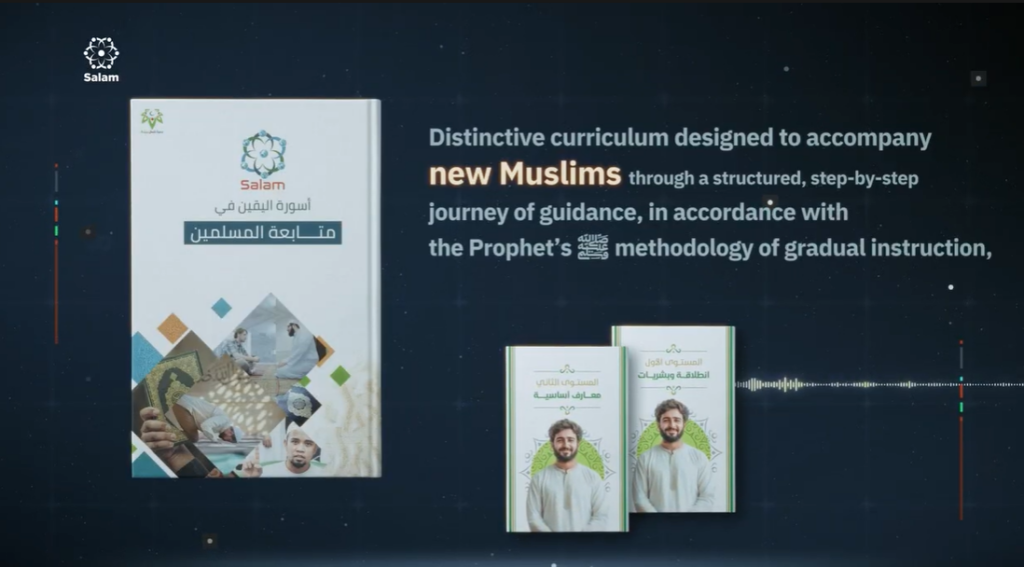
If you have recently accepted Islam, the Asawirat Al-Yaqeen (Bracelets of Certainty) program offers structured, compassionate support through:
- Foundational teachings on faith, prayer, and purification for new Muslims
- Guidance on repentance, the Seerah of Prophet Muhammad (PBUH), and daily etiquette
- Practical rulings on family, trade, and everyday life
- A final stage addressing contemporary questions and a life roadmap rooted in the Quran
Reach out directly to the Salam Center team to start the Asawirat Al-Yaqeen (Bracelets of Certainty) program for FREE.
Summary
The Quran repeatedly affirms that hardship is measured, temporary, and paired with divine ease, offering believers concrete tools like patience, prayer, and remembrance to navigate loss, fear, or grief with genuine hope rather than despair.
Prophet Muhammad’s teachings reinforce this Quranic foundation, urging believers toward active resilience and trust in Allah, so that every trial becomes an opportunity for growth rather than a source of lasting hopelessness.
Curious about Islam?
Journey towards clarity and purpose. Our team is here to support you in your search for truth and spiritual guidance.
Embrace the Truth