What Does the Quran Teach?
| Key Takeaways |
| The Quran is the literal word of Allah, revealed to Prophet Muhammad (PBUH) over 23 years and preserved without alteration to this day. |
| The Quran’s central teaching is Tawhid — the absolute oneness of Allah — which forms the foundation of every other belief and action in Islam. |
| The Quran teaches that every human being is morally accountable and will stand before Allah on the Day of Judgment for their choices in this life. |
| The Quran addresses every dimension of human existence: worship, ethics, family, justice, commerce, and the purpose of creation itself. |
What does the Quran teach? At its heart, the Quran teaches one supreme truth: that there is no god worthy of worship except Allah, and that human beings were created to know Him, obey Him, and return to Him. From that single axis, an entire civilization of knowledge, ethics, spirituality, and law radiates outward.
The Quran is not a book arranged by theme. It is a living address from Allah to humanity — moving between stories of prophets, legal rulings, descriptions of the Hereafter, moral exhortations, and cosmic reflections, often within the span of a single page. Yet running beneath all of this is a coherent, unified message. Every seeker who approaches it with sincerity finds in it exactly what they needed to find.
This article walks through nine of the Quran’s most essential teachings — drawn from its verses and authenticated Prophetic traditions — so that anyone curious about what Islam’s sacred book actually says can understand it from a place of clarity rather than assumption.
1. The Quran’s Central Teaching is The Absolute Oneness of Allah (Tawhid)
The most repeated, most foundational teaching of the Quran is Tawhid — the pure, uncompromising oneness of Allah. The Quran declares it with a clarity that leaves no room for ambiguity:
قُلْ هُوَ اللَّهُ أَحَدٌ اللَّهُ الصَّمَدُ لَمْ يَلِدْ وَلَمْ يُولَدْ وَلَمْ يَكُن لَّهُ كُفُوًا أَحَدٌ
“Say, ‘He is Allah, [who is] One, Allah, the Eternal Refuge. He neither begets nor is born, nor is there to Him any equivalent.'” (Quran 112:1–4)
Surah Al-Ikhlas, according to the Prophet Muhammad (PBUH), equals one-third of the Quran in weight — because it contains the pure essence of all theological knowledge.
Allah is not a being among beings; He is the only One who exists necessarily, self-sufficiently, and without partner or rival.
This teaching is what distinguishes Islam from every other religious tradition. To understand what we learn from the Quran, one must begin here, because Tawhid is the lens through which every other lesson is understood.
The Quran rejects polytheism in all its forms — a topic explored in depth through Islam’s perspective on monotheism and its contrast with polytheism.
2. We Learn from the Quran the Purpose of Human Creation
The Quran does not leave the question of human existence unanswered. It provides the most direct response in all of religious literature:
وَمَا خَلَقْتُ الْجِنَّ وَالْإِنسَ إِلَّا لِيَعْبُدُونِ
“And I did not create the jinn and mankind except to worship Me.” (Quran 51:56)
The Arabic word used here — ‘ibadah (worship) — carries a meaning far broader than ritual prayer. It encompasses every conscious act performed with awareness of Allah: honesty in trade, kindness to parents, patience in hardship, fairness in judgment.
The Quran teaches that a human life lived in alignment with this purpose is the highest possible form of existence.
This is not a burden — it is a liberation. When a person understands that they were made to know and worship Allah, the restlessness that fills so many lives begins to settle. The Quran addresses this directly:
أَلَا بِذِكْرِ اللَّهِ تَطْمَئِنُّ الْقُلُوبُ — “Verily, in the remembrance of Allah do hearts find rest.” (Quran 13:28)
Learn More About Islam
Discover the beauty, teachings, and wisdom of Islam in a clear and welcoming way. Start exploring and deepen your understanding today.
Learn More3. We Know from the Quran Who Allah Truly Is
One of the most transformative things the Quran teaches is not simply that Allah exists — but who Allah actually is. The Quran contains over ninety divine names and attributes, each one expanding the human understanding of the Creator.
He is Al-Rahman and Al-Raheem — the Abundantly Merciful and the Especially Merciful. He is Al-‘Alim — the All-Knowing. He is Al-Qadir — the All-Powerful. He is Al-Ghafur — the Ever-Forgiving.
The Quran’s most majestic single verse — Ayat al-Kursi — describes His knowledge, sovereignty, and infinite care simultaneously:
ٱللَّهُ لَآ إِلَٰهَ إِلَّا هُوَ ٱلْحَىُّ ٱلْقَيُّومُ ۚ لَا تَأْخُذُهُۥ سِنَةٌ وَلَا نَوْمٌ ۚ لَّهُۥ مَا فِى ٱلسَّمَٰوَٰتِ وَمَا فِى ٱلْأَرْضِ ۗ مَن ذَا ٱلَّذِى يَشْفَعُ عِندَهُۥٓ إِلَّا بِإِذْنِهِۦ ۚ يَعْلَمُ مَا بَيْنَ أَيْدِيهِمْ وَمَا خَلْفَهُمْ ۖ وَلَا يُحِيطُونَ بِشَىْءٍ مِّنْ عِلْمِهِۦٓ إِلَّا بِمَا شَآءَ ۚ وَسِعَ كُرْسِيُّهُ ٱلسَّمَٰوَٰتِ وَٱلْأَرْضَ ۖ وَلَا يَـُٔودُهُۥ حِفْظُهُمَا ۚ وَهُوَ ٱلْعَلِىُّ ٱلْعَظِيمُ
“Allah – there is no deity except Him, the Ever-Living, the Sustainer of [all] existence. Neither drowsiness overtakes Him nor sleep. To Him belongs whatever is in the heavens and whatever is on the earth. Who is it that can intercede with Him except by His permission? He knows what is [presently] before them and what will be after them, and they encompass not a thing of His knowledge except for what He wills. His Kursi extends over the heavens and the earth, and their preservation tires Him not. And He is the Most High, the Most Great..” (Quran 2:255)
The Quran’s portrait of Allah is not one of a distant, indifferent deity. It is one of a God who is closer to the human being than their jugular vein (Quran 50:16), who hears every supplication, and who responds to the one who calls upon Him (Quran 2:186).
Those wishing to study this more deeply will find the article on how Islam views the nature of God an essential companion.
4. The Quran Teaches the Moral Accountability and the Day of Judgment
The Quran teaches, with absolute certainty, that this life is not the end. Every human being will die, and every human being will be resurrected and held accountable before Allah for their choices.
فَمَن يَعْمَلْ مِثْقَالَ ذَرَّةٍ خَيْرًا يَرَهُ وَمَن يَعْمَلْ مِثْقَالَ ذَرَّةٍ شَرًّا يَرَهُ
“So whoever does an atom’s weight of good will see it, and whoever does an atom’s weight of evil will see it.” (Quran 99:7–8)
This teaching reshapes how a Muslim moves through the world. It means that no good act is too small to matter, and no injustice escapes final reckoning — even when earthly courts fail.
The Quran describes the Day of Judgment across dozens of chapters, consistently connecting it to the urgency of righteous action in this life.
Belief in the Hereafter is one of the six pillars of Iman in Islam — the core articles of faith without which one’s Islam is incomplete. You can explore these pillars in full through the article on faith in Islam.
5. The Quran’s Ethical Framework is Justice, Mercy, and Human Dignity
The Quran builds a complete ethical civilization. Its moral teachings span personal conduct, interpersonal relationships, governance, and communal responsibility — all rooted in two overarching values: justice (‘adl) and mercy (rahmah).
Allah commands in the Quran:
إِنَّ اللَّهَ يَأْمُرُ بِالْعَدْلِ وَالْإِحْسَانِ وَإِيتَاءِ ذِي الْقُرْبَىٰ وَيَنْهَىٰ عَنِ الْفَحْشَاءِ وَالْمُنكَرِ وَالْبَغْيِ
“Indeed, Allah orders justice and good conduct and giving to relatives and forbids immorality and bad conduct and oppression.” (Quran 16:90)
The Prophet Muhammad (PBUH) explained that this single verse contains all of Islamic ethics. Human dignity (karamah) is not earned through wealth or status — the Quran declares that Allah honored the children of Adam as a matter of divine decree (Quran 17:70).
Every human being, regardless of race, nationality, or background, carries that honor by virtue of being human.
The great scholar of Islam, Ibn al-Qayyim al-Jawziyyah, in his monumental work Miftah Dar al-Sa’adah, observed that the entire Quran — its commands, its prohibitions, its narratives — serves to establish justice between the servant and Allah, and justice between human beings and one another.
6. The Stories of the Prophets in the Quran Are Curriculum of the Soul
More than a quarter of the Quran consists of stories — accounts of the prophets who came before Muhammad (PBUH), including Ibrahim (Abraham), Musa (Moses), ‘Isa (Jesus), Yusuf (Joseph), and dozens of others. The Quran makes its own purpose in narrating these stories explicit:
لَقَدْ كَانَ فِي قَصَصِهِمْ عِبْرَةٌ لِّأُولِي الْأَلْبَابِ
“There was certainly in their stories a lesson for those of understanding.” (Quran 12:111)
These are not children’s tales. They are precise spiritual curricula.
The story of Yusuf teaches patience in oppression and gratitude in elevation.
The story of Musa teaches reliance on Allah when facing impossible odds.
The story of Ibrahim teaches the willingness to sacrifice everything for Truth.
The story of Ayyub (Job) teaches that suffering refines, and that Allah does not abandon those who call upon Him.
The Quran’s account of ‘Isa (Jesus) deserves special mention. The Quran confirms his miraculous birth, his healing of the sick, and his raising of the dead — honoring him as one of the greatest messengers of Allah.
The distinction the Quran draws — that Jesus was a mighty prophet, but not divine — is part of Islam’s clarity on how it views other religions.
7. The Quran’s Guidance on Worship: Prayer, Fasting, and Drawing Near to Allah
The Quran does not teach spirituality as abstract feeling. It establishes a structured, embodied practice of worship that keeps the human being connected to Allah across every day and every year.
Salah (prayer) is commanded directly in the Quran — five times daily — as the central pillar of Muslim life:
إِنَّ الصَّلَاةَ كَانَتْ عَلَى الْمُؤْمِنِينَ كِتَابًا مَّوْقُوتًا
“Indeed, prayer has been decreed upon the believers a decree of specified times.” (Quran 4:103)
Fasting the month of Ramadan is commanded with its purpose made explicit — taqwa (God-consciousness):
يَا أَيُّهَا الَّذِينَ آمَنُوا كُتِبَ عَلَيْكُمُ الصِّيَامُ كَمَا كُتِبَ عَلَى الَّذِينَ مِن قَبْلِكُمْ لَعَلَّكُمْ تَتَّقُونَ
“O you who have believed, decreed upon you is fasting as it was decreed upon those before you that you may become righteous.” (Quran 2:183)
Zakat (obligatory charity) ties individual worship to communal welfare — purifying the soul of attachment to wealth while circulating resources among those in need.
Hajj (pilgrimage) takes the believer to Mecca to perform rites tracing back to Ibrahim (PBUH) — a physical, global act of submission to Allah.
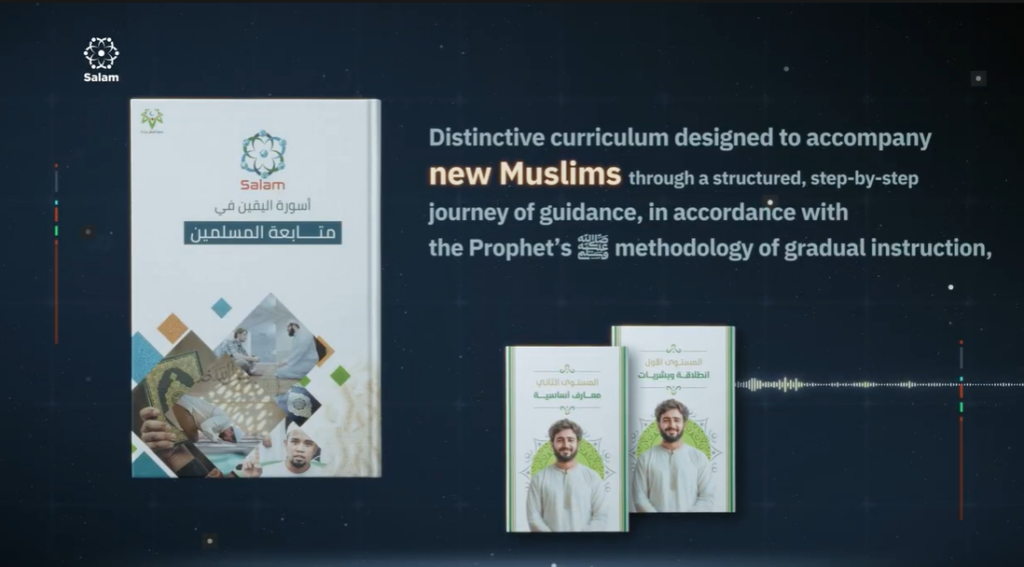
The Quran’s worship framework is explored comprehensively within the Asawirat Al-Yaqeen (Bracelets of Certainty) curriculum offered by the Salam Center, which guides new Muslims through these essential practices step by step across four progressive stages.
Reach out directly to the Salam Center team to start the Asawirat Al-Yaqeen (Bracelets of Certainty) program for FREE.
Read Also: Is Abraham in the Quran?
8. The Quran Teaches Us About Human Relationships, Family, and Social Life
The Quran does not separate private faith from public conduct. It provides detailed, principled guidance on how human beings are to live together — within families, between neighbors, and across communities.
On family, the Quran frames the relationship between spouses as one of profound spiritual intimacy:
وَمِنْ آيَاتِهِ أَنْ خَلَقَ لَكُم مِّنْ أَنفُسِكُمْ أَزْوَاجًا لِّتَسْكُنُوا إِلَيْهَا وَجَعَلَ بَيْنَكُم مَّوَدَّةً وَرَحْمَةً
“And of His signs is that He created for you from yourselves mates that you may find tranquility in them; and He placed between you affection and mercy.” (Quran 30:21)
Parents are to be treated with the highest respect — the Quran places kindness to parents immediately after the command to worship Allah alone (Quran 17:23), signaling the gravity of this obligation. Orphans are to be protected, neighbors honored, and promises kept.
The Quran teaches that how a person treats other human beings is inseparable from how they stand before Allah.
On commerce, the Quran explicitly forbids usury (riba), fraud, and exploitative trade — establishing an economic ethics rooted in fairness rather than advantage.
Read Also: Is Moses in the Quran?
Learn More About Islam
Discover the beauty, teachings, and wisdom of Islam in a clear and welcoming way. Start exploring and deepen your understanding today.
Learn MoreRead Also: Are Adam and Eve in the Quran?
Explore More Authentic Knowledge About Islam & Quran with Salam
If reading this has stirred something in you — curiosity, recognition, or a desire to know more — you are exactly the person the Salam Platform was built for.
The Salam Center exists to accompany seekers and new Muslims through every stage of this journey, with no pressure and no judgment.
Explore more on the Salam Platform — articles grounded in authentic Islamic scholarship, written for the modern seeker.
Read further on the Salam blog — covering Islamic beliefs, the Quran, the life of the Prophet, and much more.
If you have a specific question, want guidance on taking your Shahada, or simply want to speak with someone — reach out directly.
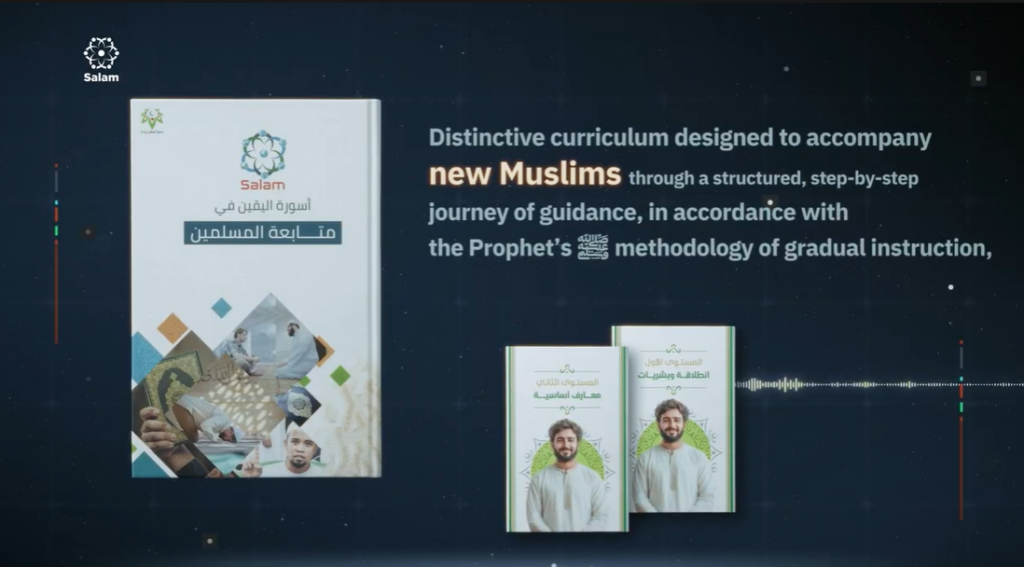
And if you have recently entered Islam, consider joining the Asawirat Al-Yaqeen (Bracelets of Certainty) program — a structured four-stage curriculum designed specifically for new Muslims:
- Stage One covers the foundations: the Shahada, prayer (Salah), purification, and the pillars of Iman
- Stage Two addresses major spiritual milestones: repentance (Tawbah) and the biography of the Prophet (PBUH)
- Stage Three nurtures character: ethics of the heart, etiquette, and practical life rulings
- Stage Four empowers you with knowledge: contemporary issues, theological clarity, and a life roadmap rooted in Surah Al-Asr
The curriculum has already guided more than 114,000 new Muslims across 140 countries. You would be joining a worldwide community walking the same path.
Reach out directly to the Salam Center team to start the Asawirat Al-Yaqeen (Bracelets of Certainty) program for FREE.
Summary
The Quran’s teachings span every domain of human life — from the pure theology of Tawhid and the divine attributes of Allah, to the ethics of family, trade, and communal justice. At its core, the Quran teaches that human beings were created for worship, equipped with moral responsibility, and given divine guidance sufficient to navigate every dimension of existence.
For anyone asking what we learn from the Quran, the answer unfolds across a lifetime. The Quran calls itself guidance, light, healing, and mercy — and for those who approach it sincerely, it delivers on every one of those promises, reshaping the soul with each reading.
Frequently Asked Questions
What is the main message the Quran teaches?
The Quran’s central message is Tawhid — the absolute oneness of Allah. Everything the Quran teaches flows from this: worship belongs to Allah alone, human beings are accountable to Him, and the purpose of life is to know, serve, and return to Him. This is affirmed in Quran 112:1–4 and throughout the entire text.
What does the Quran teach about Jesus (Isa)?
The Quran honors Jesus (‘Isa, peace be upon him) as one of the greatest prophets of Allah, born miraculously to the Virgin Mary, given the ability to heal the sick and raise the dead by Allah’s permission. The Quran is explicit, however, that he was a prophet and servant of Allah — not divine and not the son of Allah, as affirmed in Quran 5:75 and 3:59.
Does the Quran only teach religious rituals, or does it cover all of life?
The Quran covers every dimension of human existence. Its guidance addresses theology, worship, family relations, trade, governance, ethics, inheritance, diet, social justice, and the rights of neighbors and orphans. Scholar Ibn al-Qayyim al-Jawziyyah affirmed that the Quran’s purpose is to establish justice in every sphere of life, not only in formal acts of worship.
What does the Quran teach about the Hereafter?
The Quran teaches with certainty that every human being will die, be resurrected, and stand before Allah for judgment. Every deed — however small — is recorded and will be presented on the Day of Judgment, as stated in Quran 99:7–8. This belief in accountability shapes a Muslim’s entire moral and spiritual orientation toward this life.
Curious about Islam?
Journey towards clarity and purpose. Our team is here to support you in your search for truth and spiritual guidance.
Embrace the Truth